Choosing between a midi and a maxi maternity dress is one of the most common decisions expectant mums face when building a pregnancy wardrobe. Both lengths are flattering, both accommodate a growing bump beautifully, and both have a place across the full nine months. The question is which one works best for your body, your lifestyle, and the occasions you are dressing for.
This guide compares midi and maxi maternity dresses across comfort, fit, formality, nursing access, and seasonal suitability, so you can make a confident choice rather than guessing in a fitting room. Whether you are buying for a baby shower, everyday wear, or building a postpartum capsule, you will find clear, practical guidance here.
Main Differences Between Midi Dresses and Maxi Dresses
The most obvious difference between a midi and a maxi is length, but that single factor creates a cascade of practical differences worth understanding before you buy.

Length and hemline. Midi dresses fall between the knee and mid-calf, typically landing around 10 to 15 centimetres below the knee. Maxi dresses extend to the ankle or floor, creating a long, flowing hem that covers the full leg. Both lengths sit longer than a standard knee-length dress, which is part of why both tend to flatter a bump particularly well.
Mobility and ease of movement. Midi dresses allow for a full stride without adjustment, making them easier to navigate stairs, step into cars, and move through busy environments. Maxi dresses in flowing fabrics move beautifully but require a little more awareness around doorways, steps, and heeled shoes to avoid trip hazards, particularly as the bump affects your centre of gravity in the third trimester.
Formality and occasion suitability. Midi dresses read as polished and versatile, suitable for office environments, smart casual events, and everyday wear. Maxi dresses lean more toward relaxed elegance, making them a natural choice for special occasions, beach trips, outdoor events, and formal evenings where a flowing silhouette suits the setting.
Heat retention and seasonality. Midi dresses expose the lower leg, which provides natural ventilation and makes them more comfortable in warmer months. Maxi dresses offer full leg coverage, which suits cooler seasons and provides more modest coverage for outdoor events in summer where additional sun protection is welcome.
Fit, Shape, and Contemporary Cuts for Bump-Friendly Dresses
The cut of a maternity dress matters as much as the length. A dress that fits beautifully at the hem can still feel uncomfortable if the silhouette does not work with a growing bump.
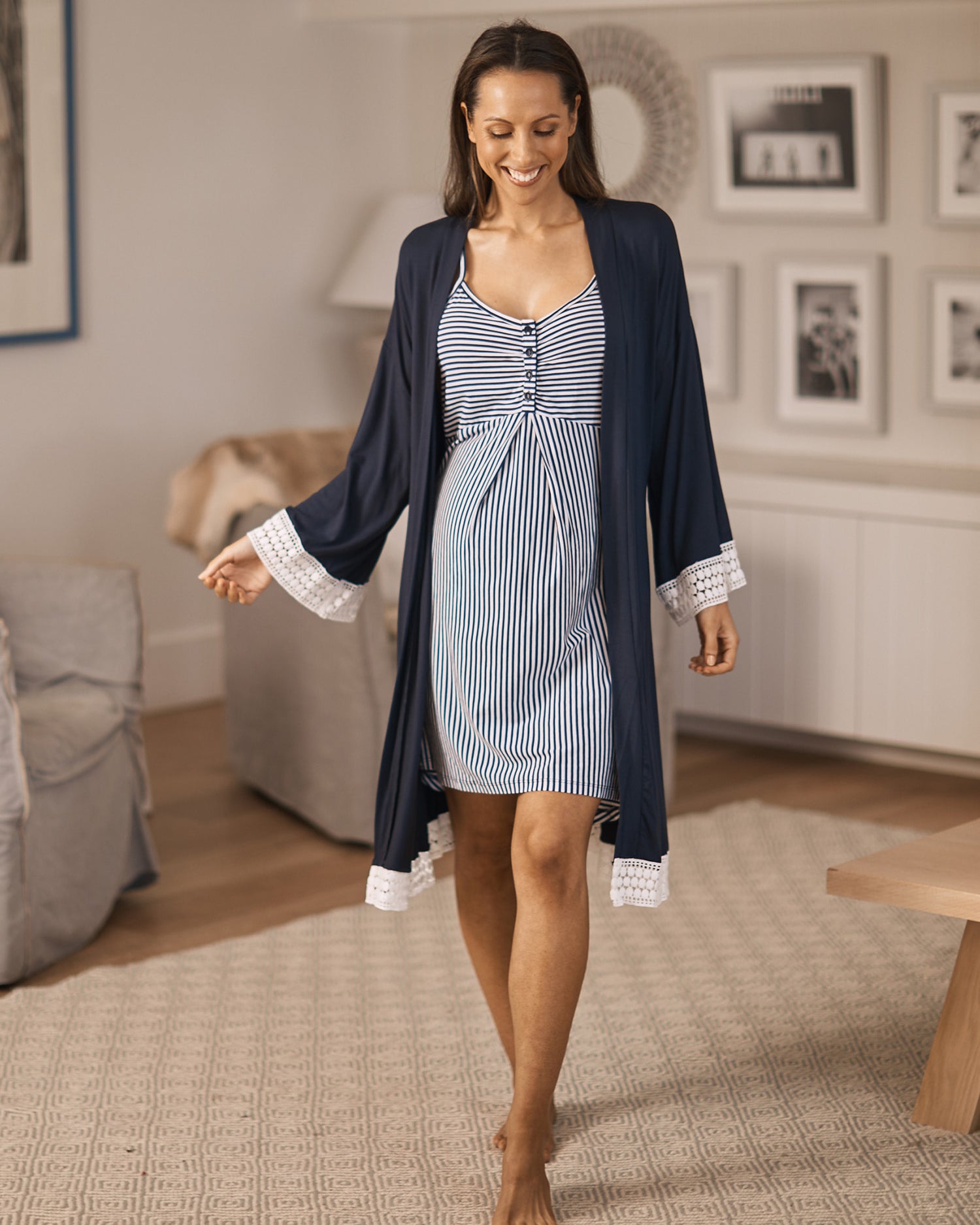
Empire waist is one of the most flattering cuts for pregnancy across both midi and maxi lengths. The waistline sits just below the bust, and the fabric falls freely from there, draping gracefully over the belly without clinging. Empire waist dresses work from early pregnancy through the third trimester and remain comfortable even when the bump is at its largest.
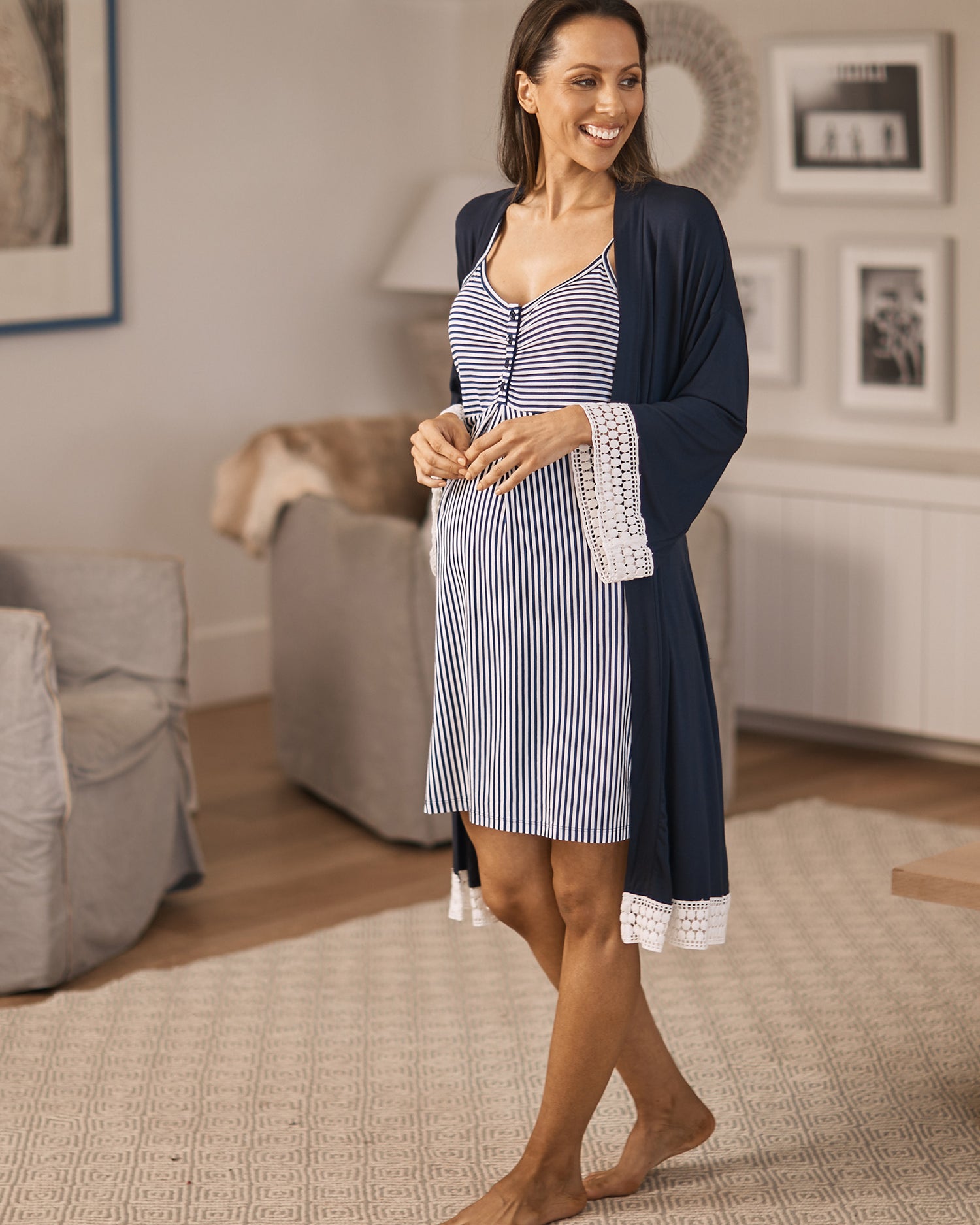
Wrap dresses are a maternity wardrobe staple precisely because they are adjustable. The tie at the waist allows you to customise the fit as your body changes, and the crossover neckline adds visual interest while providing discreet nursing access postpartum. A wrap maternity dress in a midi or maxi length is one of the most practical and versatile pieces you can own.
A-line cuts flare gradually from the waist or hip, creating room for the bump without adding volume across the shoulders or bust. A-line midi and maxi dresses suit women who want structure and shape rather than a fully relaxed or draped silhouette.
Smocked dresses use elastic threading through gathered fabric, which allows the dress to expand and contract with your body. A smocked bodice provides a custom-fit feel that adapts naturally to the changing shape of your bump across all three trimesters.
For all cuts, prioritise stretch fabric and seam placement. Seams that run over or around the bump are more comfortable than those that sit directly on it. Side seams and back seams generally cause fewer pressure points than seams across the belly.
For more guidance on choosing the right silhouette, see our complete guide on how to choose your maternity dress.
Midi Dresses: Benefits, Limitations, and Styling Notes
Midi maternity dresses offer one of the most consistently flattering lengths across different body types and pregnancy stages.
Why mid-calf length works. The midi hemline creates a long, clean line from the waist downward that visually elongates the legs without the volume of a full-length skirt. It is sophisticated without being formal, which makes it the most versatile length in a maternity wardrobe. Midi dresses are also generally easier for petite frames to wear without being overwhelmed by fabric, and they are considered the most appropriate length for corporate and professional environments.
Shoe pairing advantages. Because the midi hem sits above the ankle, your footwear is visible and contributes to the overall outfit. Low block heels, pointed flats, loafers, and sandals all work well with a midi dress, giving you flexibility across occasions and comfort levels.
Fit considerations for different heights. On taller frames, a midi dress may sit closer to the knee than the mid-calf, which reads more like a knee-length dress. On shorter frames, a midi can sometimes feel long or heavy, particularly in stiffer fabrics. Choosing a midi in a lightweight or draped fabric resolves most of these issues by allowing the hem to move rather than hang.
Best midi styles for second-trimester bumps. The second trimester is when the bump is most visible and most outfit-ready. Wrap and A-line midi dresses suit this stage particularly well, providing room across the belly while maintaining a defined silhouette that shows off the bump rather than hiding it.
Browse Angel Maternity's Maternity Midi Dresses Collection for styles across every occasion and trimester.
Maxi Maternity Dresses: Benefits, Limitations, and Styling Notes
Maxi maternity dresses offer maximum coverage, comfort, and elegance, making them the preferred choice for many expectant mums in the later stages of pregnancy.
Coverage and elongating silhouette. The full-length hem of a maxi dress creates one of the most flattering and elongating silhouettes available during pregnancy. It draws the eye from shoulder to floor in a continuous, unbroken line that conceals swollen ankles, covers legs during outdoor events, and produces a graceful, elegant appearance for formal or special occasions.
Third-trimester comfort. Maxi dresses are often described as the most comfortable option in late pregnancy because a loose, flowing maxi requires no adjustment and places no pressure on any part of the body. In the third trimester, when comfort genuinely becomes the top priority, a soft maxi in a stretch jersey or bamboo fabric is one of the easiest dressing decisions you can make.
Floor-length navigation. The primary practical challenge with maxi dresses is managing the hem around steps, doorways, and uneven surfaces. As the bump grows and your centre of gravity shifts, a floor-length hem requires slightly more awareness. Choosing a maxi with a hem that sits just above the floor rather than trailing reduces this risk while preserving the elongating effect.
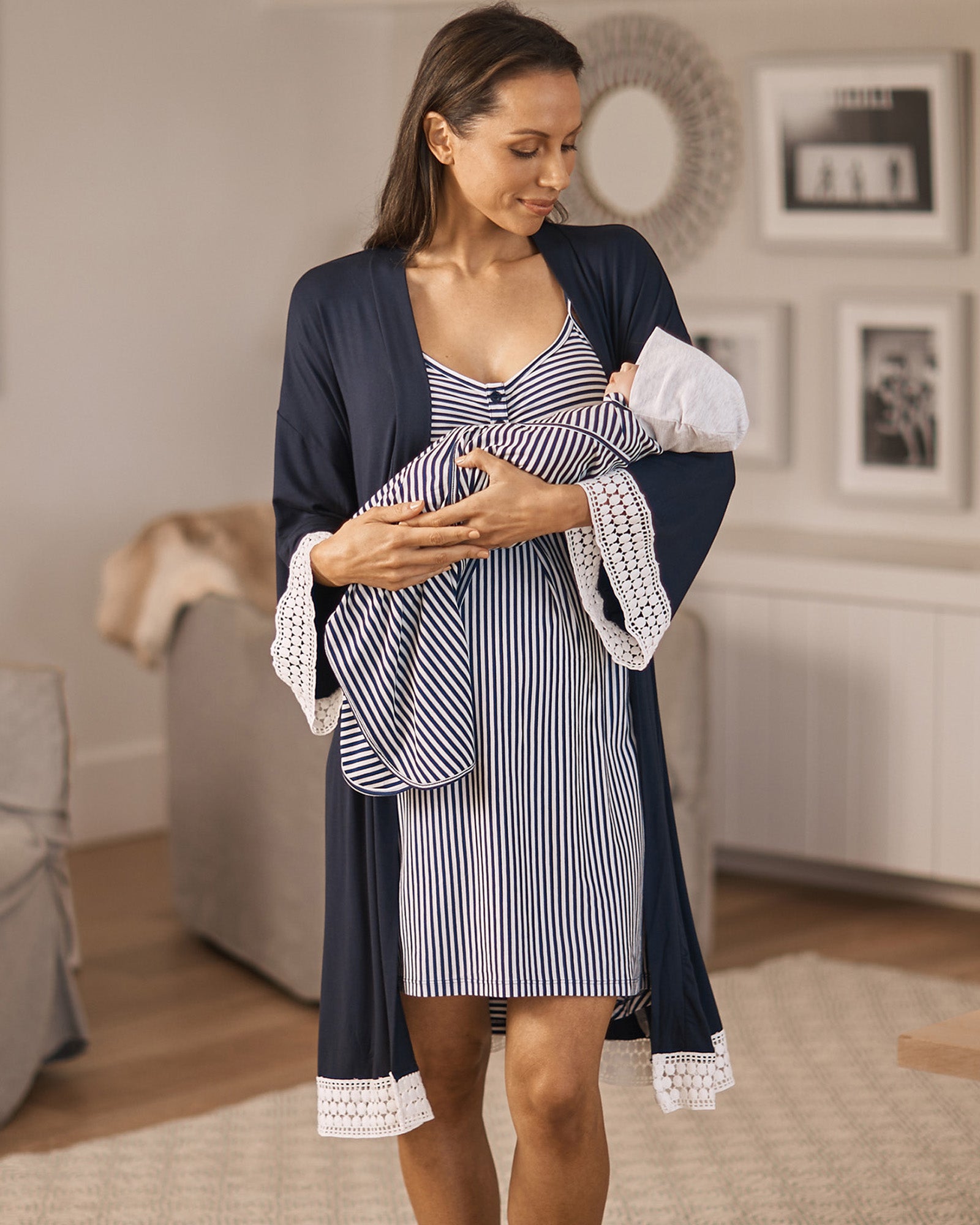
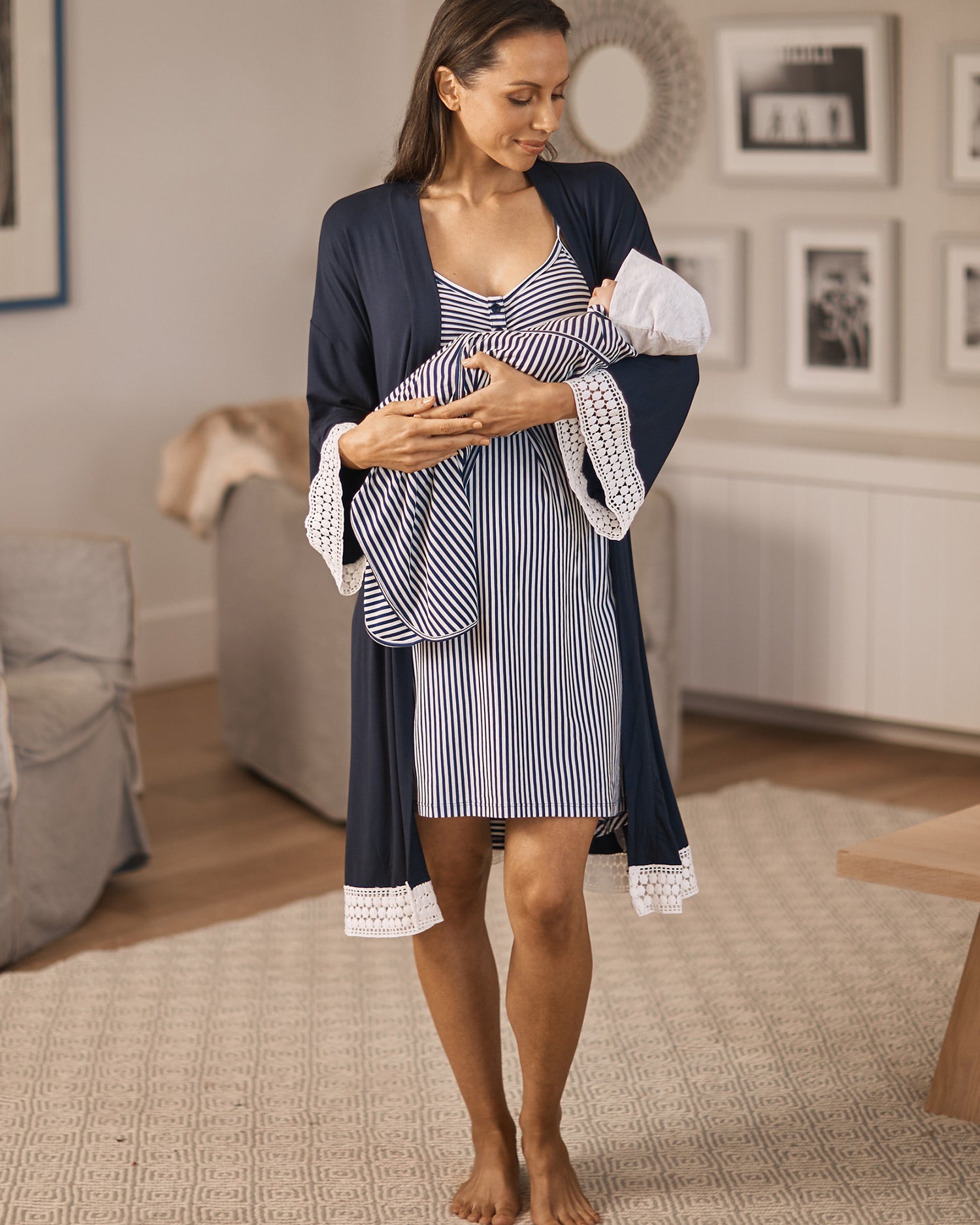
Nursing-friendly maxi designs. A maxi dress with a wrap front, button-down placket, or crossover bodice provides discreet nursing access postpartum while maintaining the flowing silhouette. These designs extend the life of your maxi well beyond birth without requiring a separate nursing wardrobe.
Browse Angel Maternity's Maternity Maxi Dresses Collection for styles suited to every season and occasion.
Styling for Occasions: Baby Showers, Work, and Everyday
Different occasions call for different approaches, and both midi and maxi lengths have their place across the full range of pregnancy, social and professional life.
Baby showers. A midi wrap dress or a smocked midi in a soft floral or pastel print is the classic baby shower choice. It reads celebratory without being over-formal, photographs beautifully, and is comfortable enough to wear across a full afternoon of socialising. A flowy empire-waist maxi in a soft print also works well for a more relaxed or outdoor shower setting. For more baby shower outfit inspiration, see our guide on baby shower dresses and outfit ideas.
Formal events. A maxi dress is the natural choice for weddings, formal dinners, and special occasions during pregnancy. The length reads formal, the silhouette is elegant, and the comfort is unmatched at events where you will be on your feet or seated for long periods. See our guide on dressing for special occasions while pregnant for specific styling tips.
Work and office. A structured midi dress in a solid colour or simple print is the most professional maternity dress option for most workplaces. Pair with a blazer and low heels for a meeting-ready look that requires minimal effort. Wrap styles with a modest neckline and A-line cuts both work well in professional settings.
Casual errands and weekends. A relaxed jersey midi or a loose maxi in a breathable fabric covers casual daily life with almost no styling required. Pair with trainers, slides, or flat sandals and you have a complete outfit that is comfortable from morning through evening.
Choosing a Maternity Dress for Nursing and Postpartum Use
A maternity dress that also works for nursing is one of the most practical investments in your maternity wardrobe. Choosing nursing-friendly styles from the beginning means you are not buying a second wardrobe in the weeks after birth.
Nursing access features to prioritise. Look for wrap fronts, crossover bodices, button-down plackets, and discreet side or front openings. These features allow for nursing access without requiring you to lift or remove the entire dress, which matters significantly when you are in a public setting or in a hurry.
Convertible wrap and button-front designs. Both of these constructions work naturally for nursing. A wrap dress can be opened from the front with one hand while the other supports the baby. A button-front dress offers similarly discreet access without any adjustment to the rest of the garment. Both styles also have the advantage of looking like regular dresses rather than nursing-specific garments, which is useful for wearing in professional or formal contexts postpartum.
Fabrics that retain shape after washing. Jersey, bamboo, and viscose blends are the most resilient nursing dress fabrics. They tolerate frequent washing without losing their shape or colour, which matters when a nursing dress is being washed multiple times a week. Avoid fabrics with a high linen content for nursing dresses, as linen wrinkles easily and requires more maintenance than most new mums can accommodate.
Fabric, Climate, and Comfort Considerations
The fabric of your maternity dress affects comfort as much as the cut or length, and the right choice varies depending on your climate, your trimester, and your sensitivity to heat.
Breathable natural fibres for warm weather. Cotton, bamboo, and viscose are the most comfortable options in spring and summer or warm climates. These fabrics are lightweight, breathable, and do not trap heat against the body, which is important given that hormonal changes during pregnancy often cause expectant mums to feel warmer than usual.
Heavier knits for cooler seasons. In autumn and winter, a mid-weight jersey or ribbed knit provides warmth without bulk and still stretches comfortably across a growing bump. Layering a midi or maxi dress with a long cardigan or open blazer extends their seasonal range without requiring a separate cold-weather wardrobe.
Stretch percentage and growth allowance. For a maternity dress to last across multiple trimesters, the fabric needs enough stretch to accommodate growth without distorting. Look for fabrics with around 2 to 5 percent elastane or Lycra content, which is the standard range for everyday stretch dresses and provides comfortable, durable give without the compression feel of activewear. Naturally stretchy fabrics like jersey and bamboo also have inherent give that reduces the need for a high elastane percentage. The dress should feel comfortable when the fabric is stretched gently across the widest part of your bump, returning to shape without bagging or pilling.
For a full guide to dressing across trimesters, see our guide on maternity fashion made simple: how to dress for each trimester.
Sizing, When to Buy, and How to Measure for a Maternity Dress
Getting the right size in a maternity dress requires a slightly different approach than buying regular clothing, particularly because the measurements that matter most are not always the same ones you are used to tracking.
How to measure: Most maternity dresses are designed to align with your pre-pregnancy size. However, if you check a brand's size guide, you may need to measure your bust at the fullest point and your hips across the widest part of your seat. For form-fitting styles, you may also need to measure across the fullest part of your bump.
Buying between sizes: When your measurements fall between two sizes, size up in maternity dresses. Unlike jeans, where sizing up produces excess fabric through the seat, a dress sized up will simply have a little more room through the body, which becomes useful as the pregnancy progresses rather than being a fit problem.
Timing purchases by pregnancy stage: Most maternity dress styles are designed to work from the second trimester onward. Buying your first midi or maxi maternity dress around twelve to sixteen weeks gives you maximum wear across the remaining pregnancy. If you are buying specifically for a late-pregnancy event such as a formal occasion in the third trimester, measure closer to the event date and choose styles with adjustable features like a wrap front or elasticated waistband that will accommodate further growth.
Styling Contemporary Cuts to Keep Looks Bump-Friendly
A well-chosen accessory or layer can transform a simple maternity dress into a considered, polished outfit without adding significant cost or wardrobe complexity.
Belts and ties for definition: An empire-waist dress does not typically need additional definition, but a relaxed jersey midi or a loose maxi can benefit from a soft tie or elasticated belt placed above the bump to add shape. Keep it soft and unstructured rather than using a rigid belt that could create pressure points as the day progresses.
Layering for changing temperatures: A lightweight open cardigan, a linen shirt worn open over a midi dress, or a structured blazer over a maxi all add versatility to a simple dress without restricting movement. This layering approach also makes a single dress appropriate across a wider range of settings, from an air-conditioned office to an outdoor event.
Footwear for stability and style: As the bump grows and balance shifts, stability in footwear becomes increasingly important. Low block heels, wedges, and supportive flatforms provide heel height without the instability of a stiletto. Loafers, leather slides, and cushioned sandals are the most comfortable flat options and suit both midi and maxi lengths across casual and smart contexts.
Quick Comparison: Midi vs Maxi Maternity Dresses
|
Feature |
Midi Maternity Dress |
Maxi Maternity Dress |
|
Length |
Knee to mid-calf |
Ankle to floor |
|
Best trimester |
First to third |
Second to third |
|
Comfort level |
High |
Very high |
|
Formality |
Smart casual to formal |
Casual to formal |
|
Nursing access |
Depends on style |
Depends on style |
|
Warm weather |
Excellent |
Good with breathable fabric |
|
Cool weather |
Good with layering |
Very good |
|
Shoe visibility |
Yes, footwear shows |
No, hem covers shoes |
|
Office suitability |
High |
Moderate |
|
Baby shower |
Excellent |
Excellent |
|
Formal occasions |
Very good |
Best choice |
|
Petite frames |
Generally easier to wear |
Choose above-floor hem |
|
Taller frames |
May sit higher than expected |
Works very well |
|
Postpartum wear |
Very wearable |
Very wearable |
How to Build a Capsule Maternity Wardrobe Around Midi and Maxi Dresses
A small, curated selection of midi and maxi dresses covers most occasions across the full pregnancy without requiring a large or costly wardrobe.
Two versatile midis for daytime. Choose one midi in a solid neutral and one in a print or accent colour. A wrap midi in a jersey fabric covers work, casual outings, and most social occasions. A smocked or A-line midi in a slightly dressier fabric handles events and baby showers.
One maxi for special occasions. A single empire-waist or wrap maxi in a soft, flowing fabric covers formal events, late-pregnancy comfort days, outdoor occasions, and travel. Choose a neutral or classic print that does not date quickly so the piece works across multiple occasions and into postpartum.
One nursing-friendly dress for postpartum. Add one dress with dedicated nursing access, whether a wrap midi or a button-front maxi, before the birth. Having this piece ready means you are not shopping in the exhausted early postpartum weeks and that your wardrobe transitions naturally from pregnancy into breastfeeding.
Care, Longevity, and Reuse After Pregnancy
Maternity dresses are designed to accommodate significant body changes, which means the fabrics and construction need careful handling to remain wearable across the full pregnancy and beyond.
Wash maternity dresses on a gentle cycle in cool water. High heat degrades elastane fibres and causes fabric to lose its stretch recovery, which reduces both comfort and the lifespan of the dress. Turn dresses inside out before washing to protect surface fabric and prints from abrasion.
Air dry where possible. Tumble drying accelerates fabric wear and can cause shrinkage that affects the overall shape and length of the dress, particularly in styles with a longer hem. Lay stretch maternity dresses flat on a drying rack rather than hanging them from the shoulders. A wet jersey or bamboo dress is heavy, and hanging it vertically allows the water weight to pull the fabric downward, stretching out the shoulders and distorting the hemline.
Before each wear, check the seams across the belly and under the arms. These are the areas under most tension during pregnancy and the first to show signs of stress. Catching a small seam separation early is far easier than dealing with a full seam failure mid-wear.
Repurposing your favourite maternity dresses postpartum is one of the easiest ways to extend your investment. A wrap midi that worked during pregnancy, belted above the waist postpartum, looks entirely different from its pregnancy styling. A loose empire-waist maxi continues to be a comfortable, wearable piece for months after birth regardless of where your body is in its postpartum recovery.
Frequently Asked Questions
When should I choose a midi over a maxi?
Choose a midi when you need a polished, professional look for work or smart casual events, when you want your footwear to be part of the outfit, or when you are in a warmer climate and want natural ventilation around the legs. Midi dresses are also generally easier to navigate in busy daily life because the shorter hem reduces trip hazards and requires less adjustment.
When should I choose a maxi over a midi?
Choose a maxi when comfort is the primary priority, particularly in the third trimester when a flowing, unrestricted silhouette makes a significant difference to how you feel throughout the day. Maxi dresses are the better choice for formal occasions, outdoor events, and any setting where full-leg coverage is preferred. They are also ideal if you want to conceal swollen ankles or simply prefer the elegant, elongating effect of a floor-length hem.
Do maternity dresses need to be 100 percent stretch fabric?
No. Many beautifully constructed maternity dresses use woven fabrics with a small stretch component, typically two to five percent elastane, alongside design features like wrap fronts, side ruching, or smocking that provide natural accommodation for a growing bump. This elastane range is standard for everyday stretch dresses and delivers comfortable movement without the compression feel of activewear or shapewear. A fully stretch fabric is comfortable but not the only option. The most important factors are that the fabric does not restrict movement, that there is enough room across the belly at your current stage of pregnancy, and that the dress can be comfortably worn for the full duration of your planned event.
Picking Your Perfect Maternity Dress
The right maternity dress is the one that you actually wear, week after week, without thinking about it. Comfort and nursing functionality should anchor every choice, particularly if you are buying for late pregnancy or postpartum use. A dress that looks beautiful but creates pressure points, requires constant adjustment, or cannot accommodate a nursing session is not the right dress regardless of how it photographs.
Choose a cut that flatters your current trimester rather than anticipating future needs. An empire-waist or wrap dress in a soft jersey covers most trimester stages without requiring separate purchases at each stage.
If you are uncertain between midi and maxi, try both lengths before committing. The way a dress feels when you sit down, stand up, and walk a few steps tells you far more about whether it will serve you well than the product description alone.
Browse the full range of Maternity Midi Dresses and Maternity Maxi Dresses at Angel Maternity to find the styles that belong in your pregnancy wardrobe.