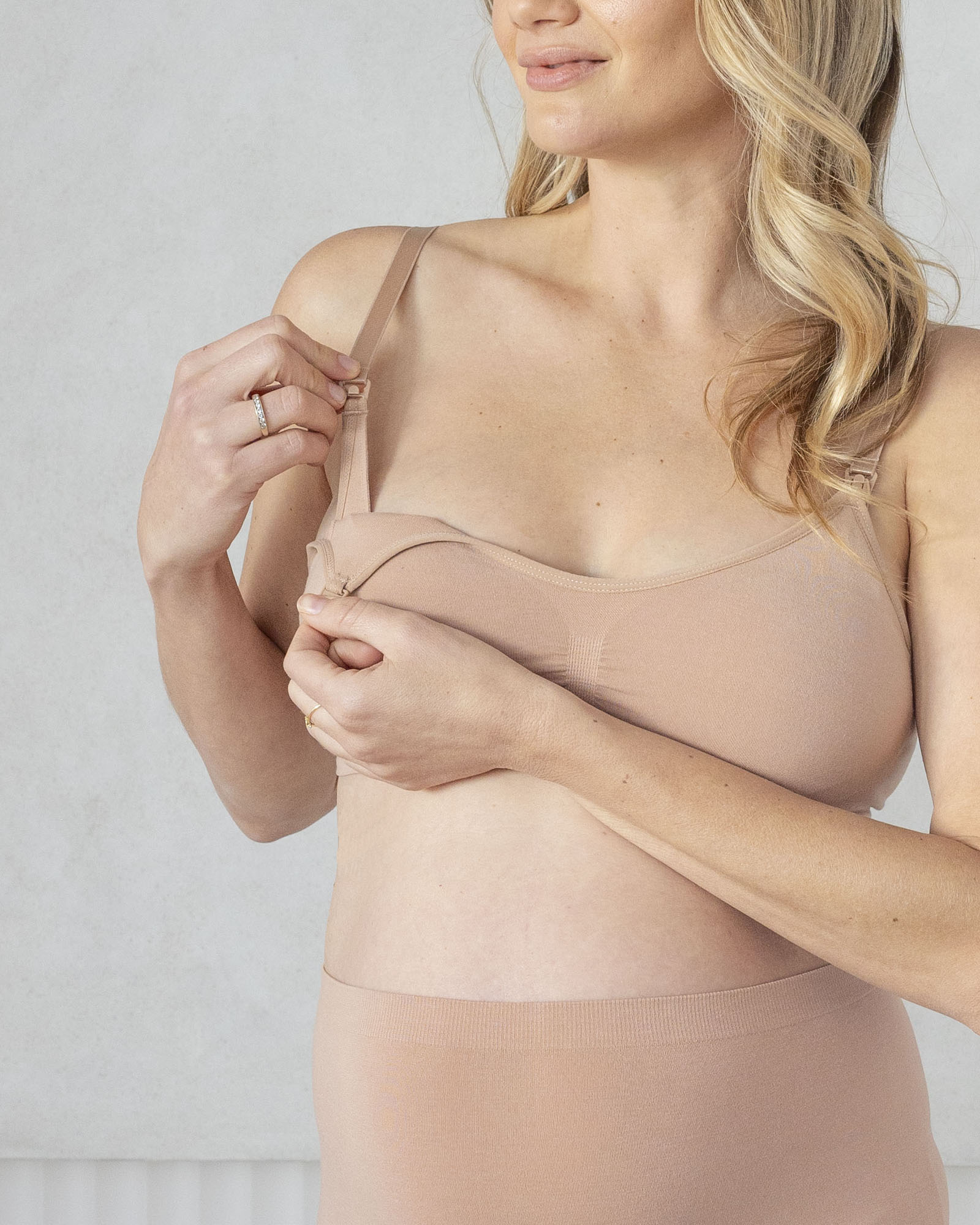
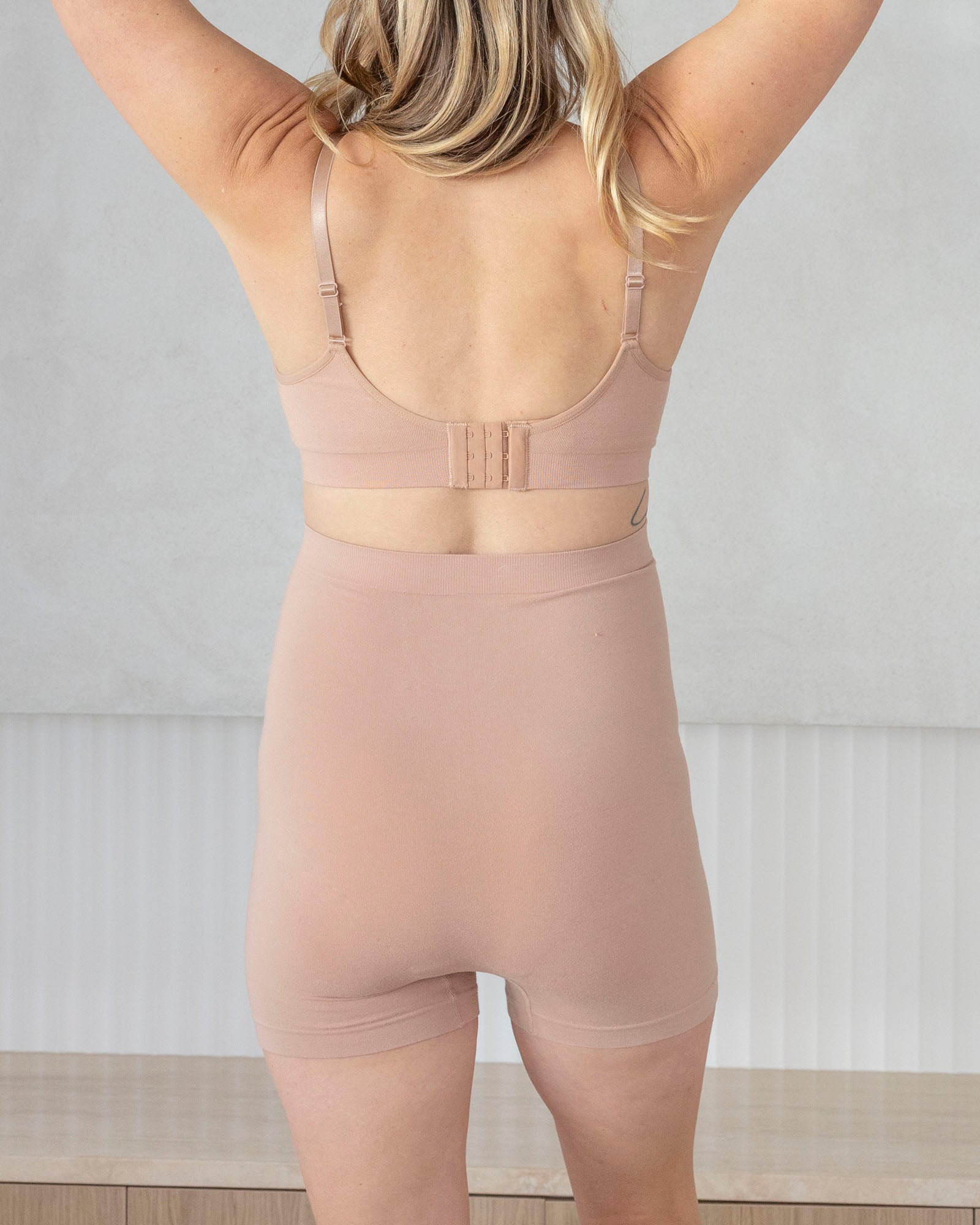
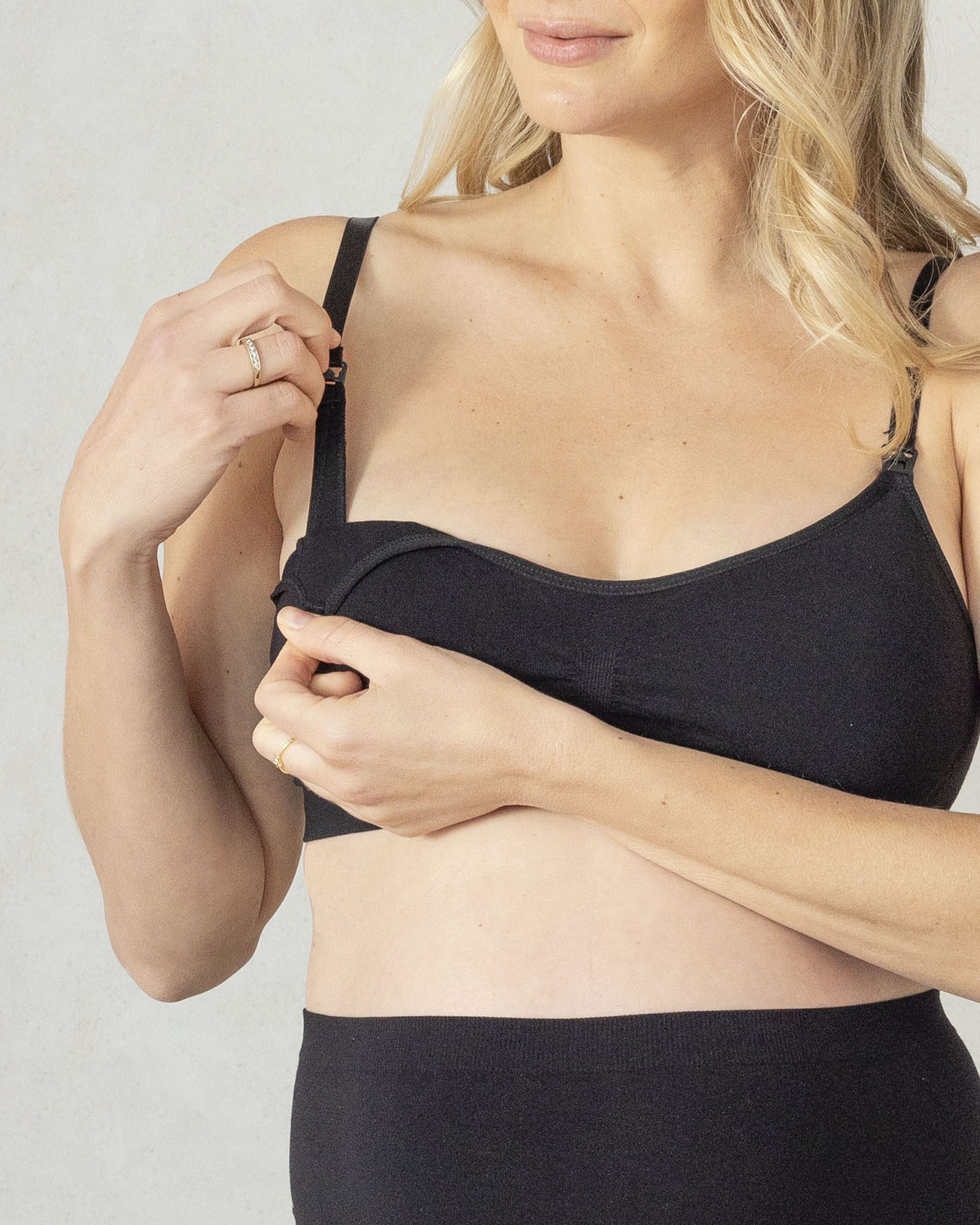
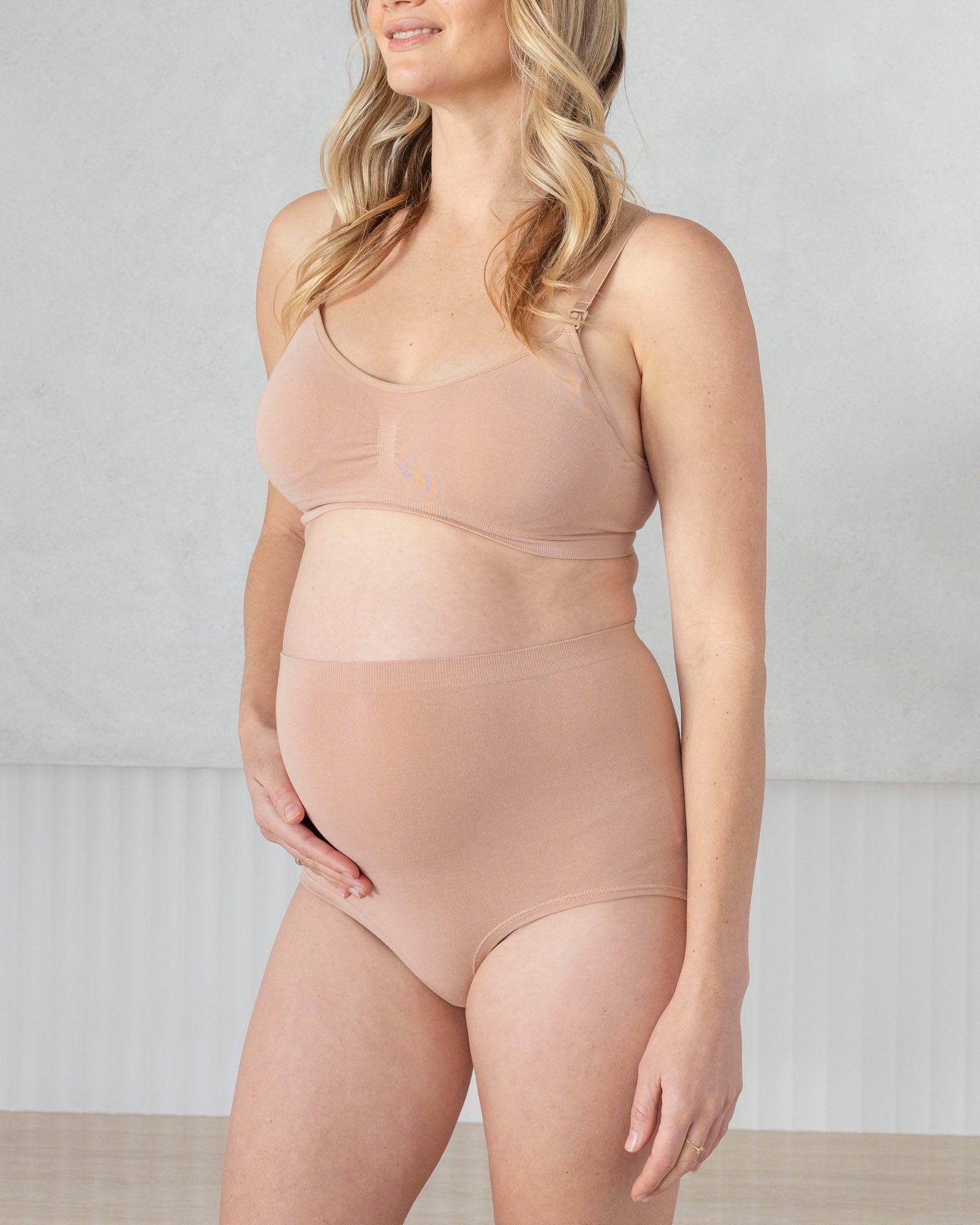
Choosing the right maternity underwear is one of the most important yet overlooked parts of building a comfortable maternity wardrobe. As your body changes during pregnancy through each trimester, normal underwear may begin to feel restrictive, dig into your skin, or lose shape.
Maternity underwear is specifically designed to support your changing body during pregnancy and postpartum recovery. From wider waistbands to breathable fabrics, the right maternity undergarments can make a noticeable difference in daily comfort.
Why Maternity Underwear Is Different from Regular Underwear
Unlike regular underwear, maternity underwear is made with softer, stretchier fabrics that accommodate a growing belly and breasts. Wider waistbands and higher leg openings prevent discomfort and irritation as your baby bump expands.

Regular undies may become tight or restrictive as pregnancy progresses. Maternity underwear provides ample support without constricting, helping reduce chafing and supporting energy levels throughout the day.
If you're unsure about the key differences, this guide on maternity underwear vs regular explains what changes and why it matters.
Breathable Fabrics Matter More Than You Think
Breathability is crucial when choosing maternity underwear. Hormonal changes during pregnancy can increase body temperature and moisture, which makes breathable materials essential.
Look for organic cotton or bamboo blends. Bamboo fabric is especially useful for its thermoregulating properties, helping you stay cool and dry. Fabrics blended with elastane or spandex allow stretch without restriction.
Choosing breathable maternity fabrics helps reduce moisture build-up and lowers the risk of irritation or common pregnancy-related issues like yeast infections.
Over-the-Bump or Under-the-Bump?
High-Waisted (Over-the-Bump)
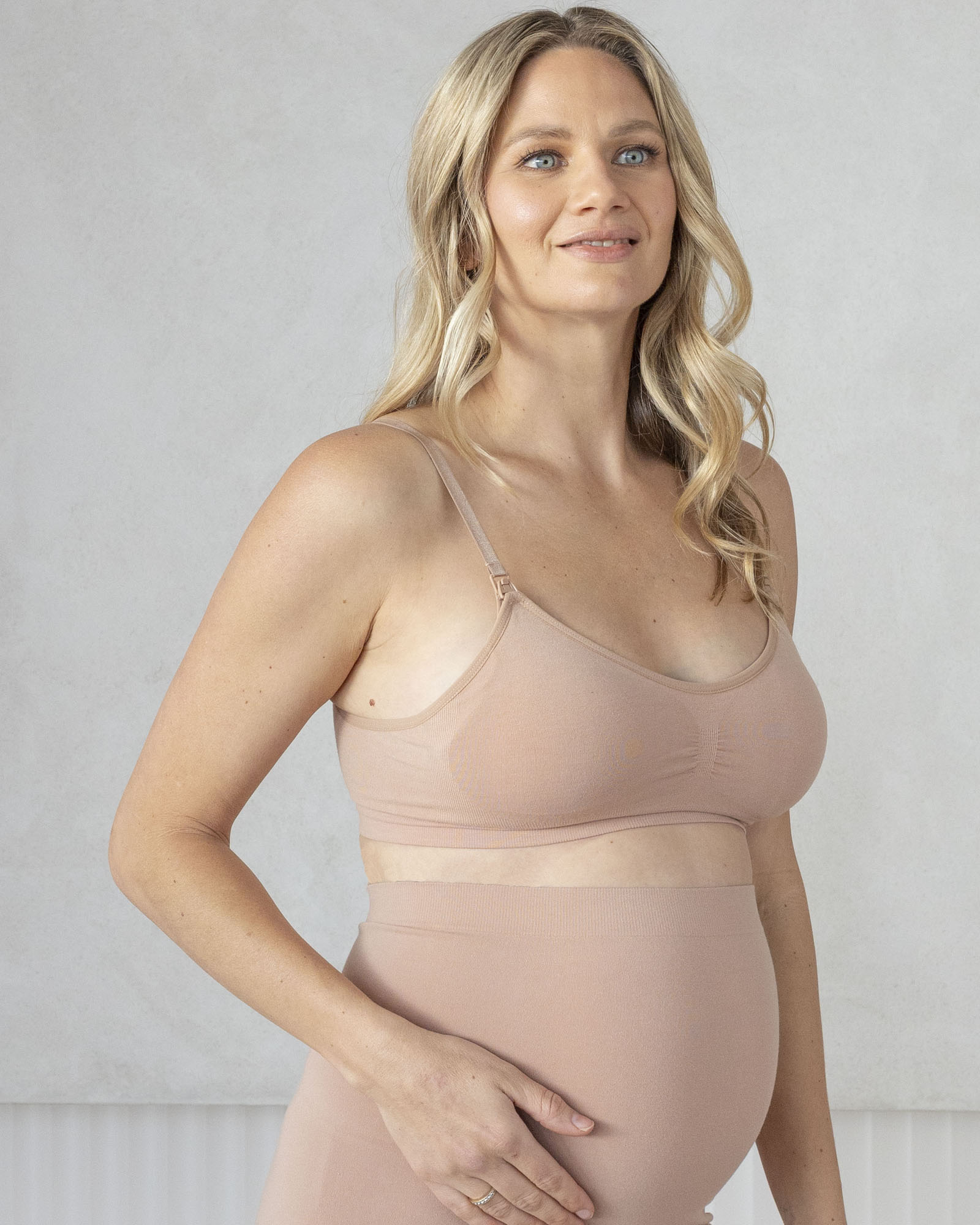
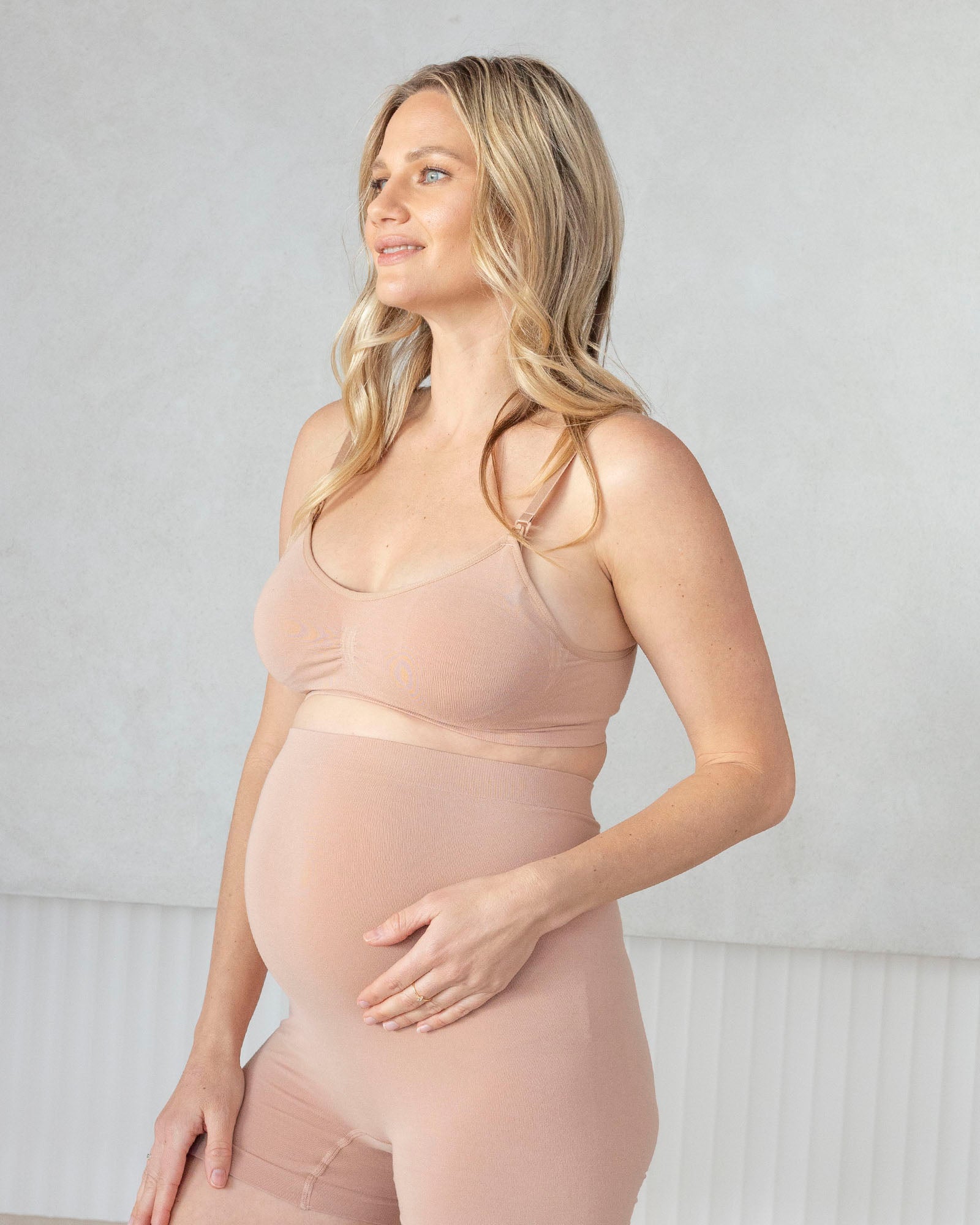
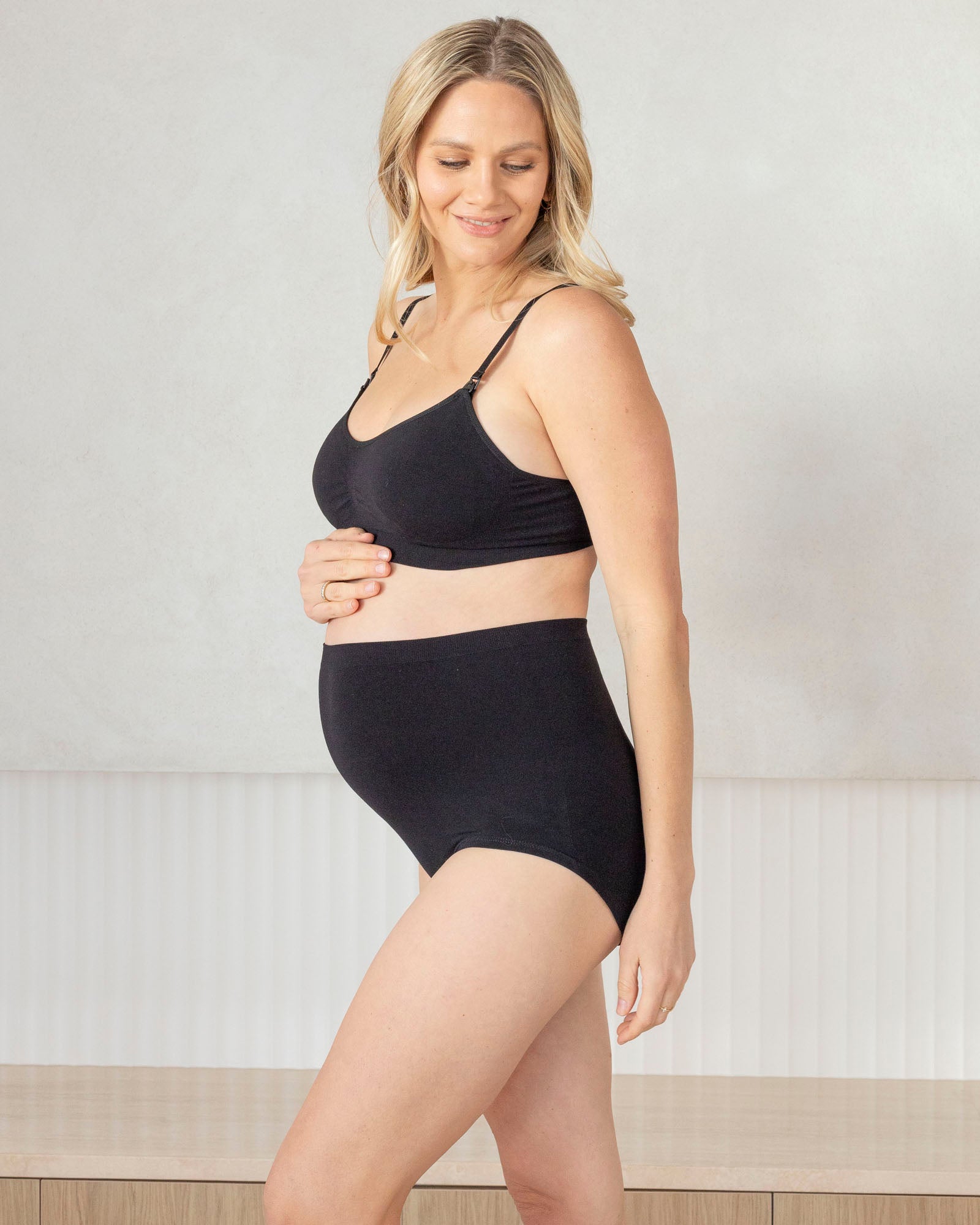
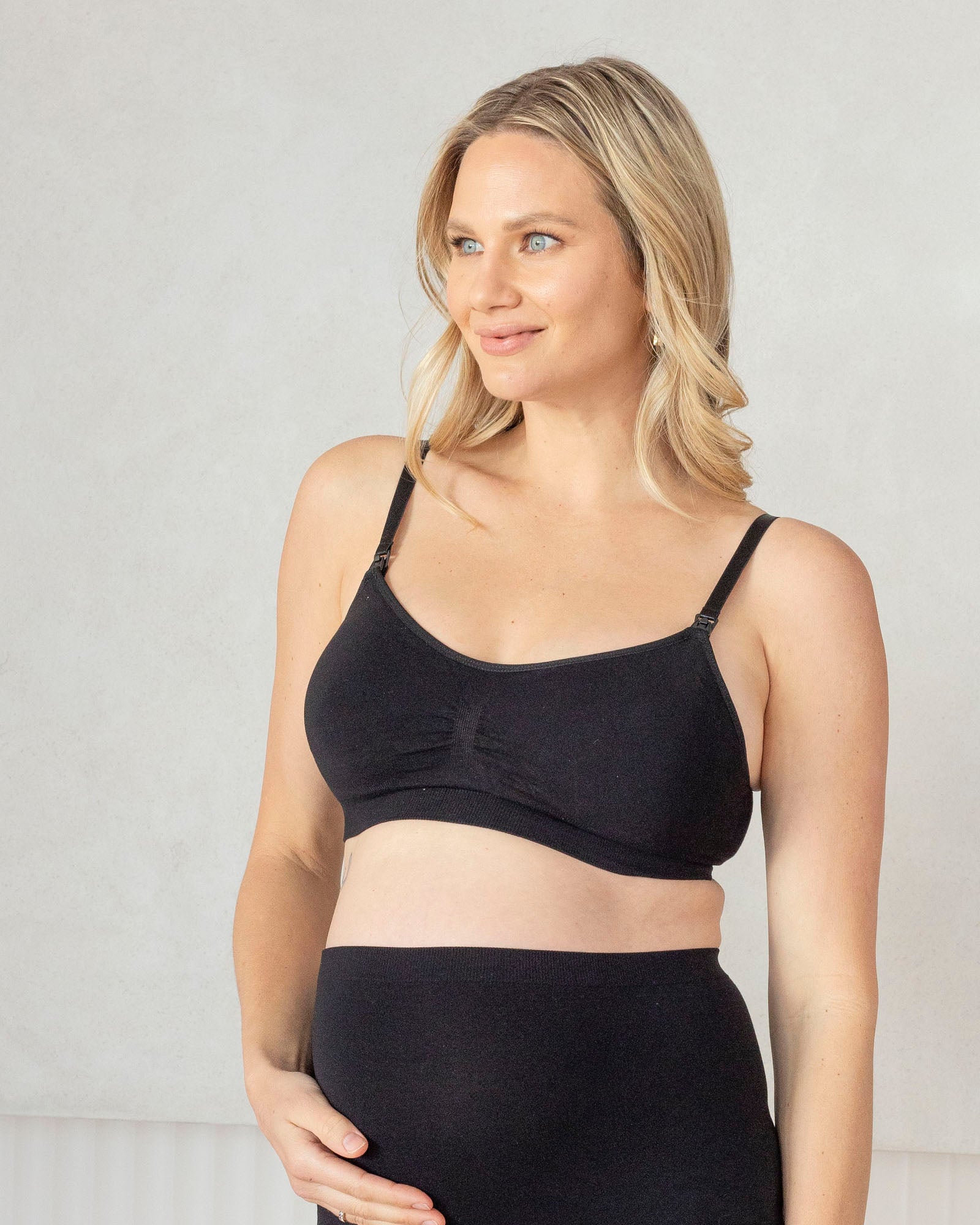
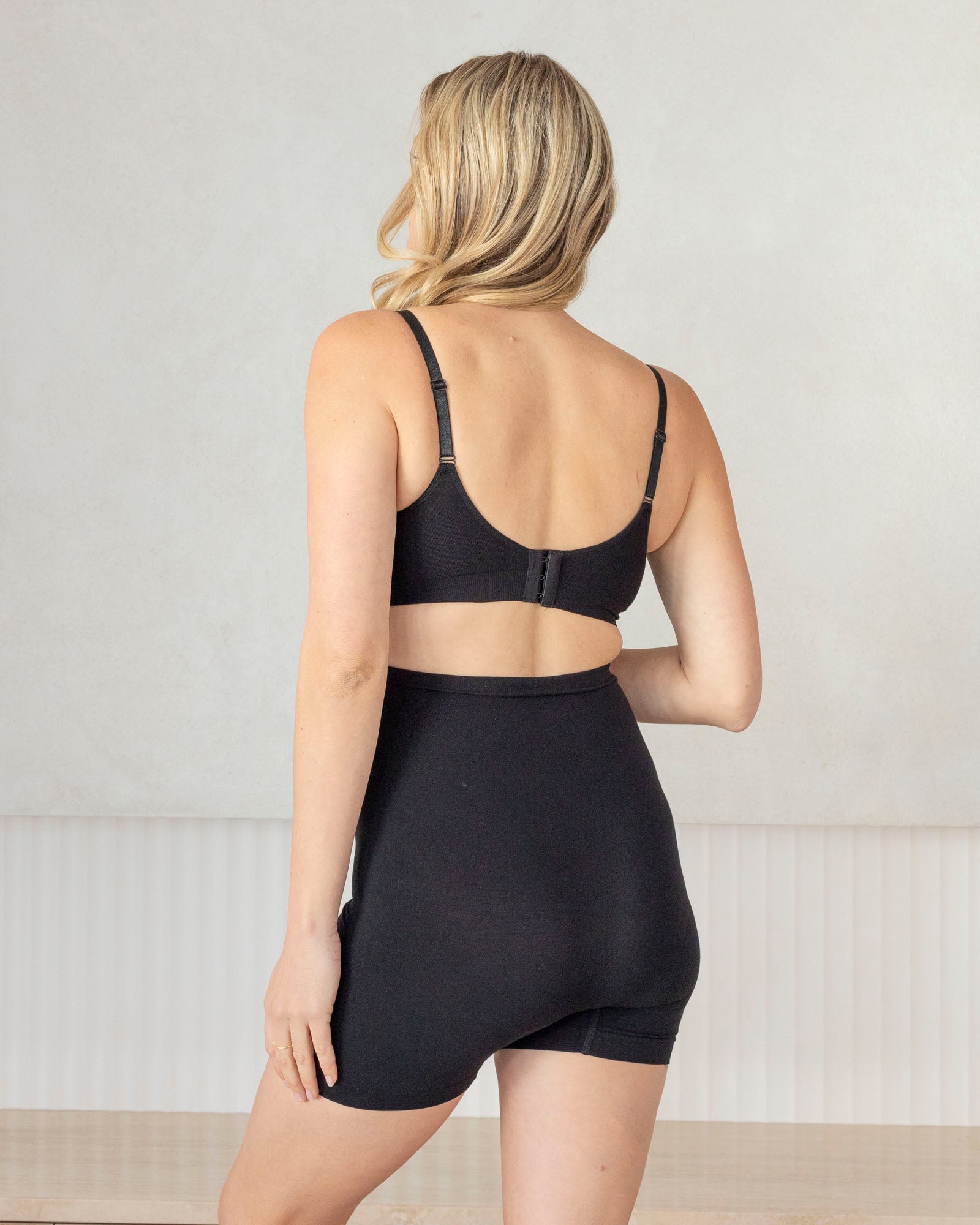
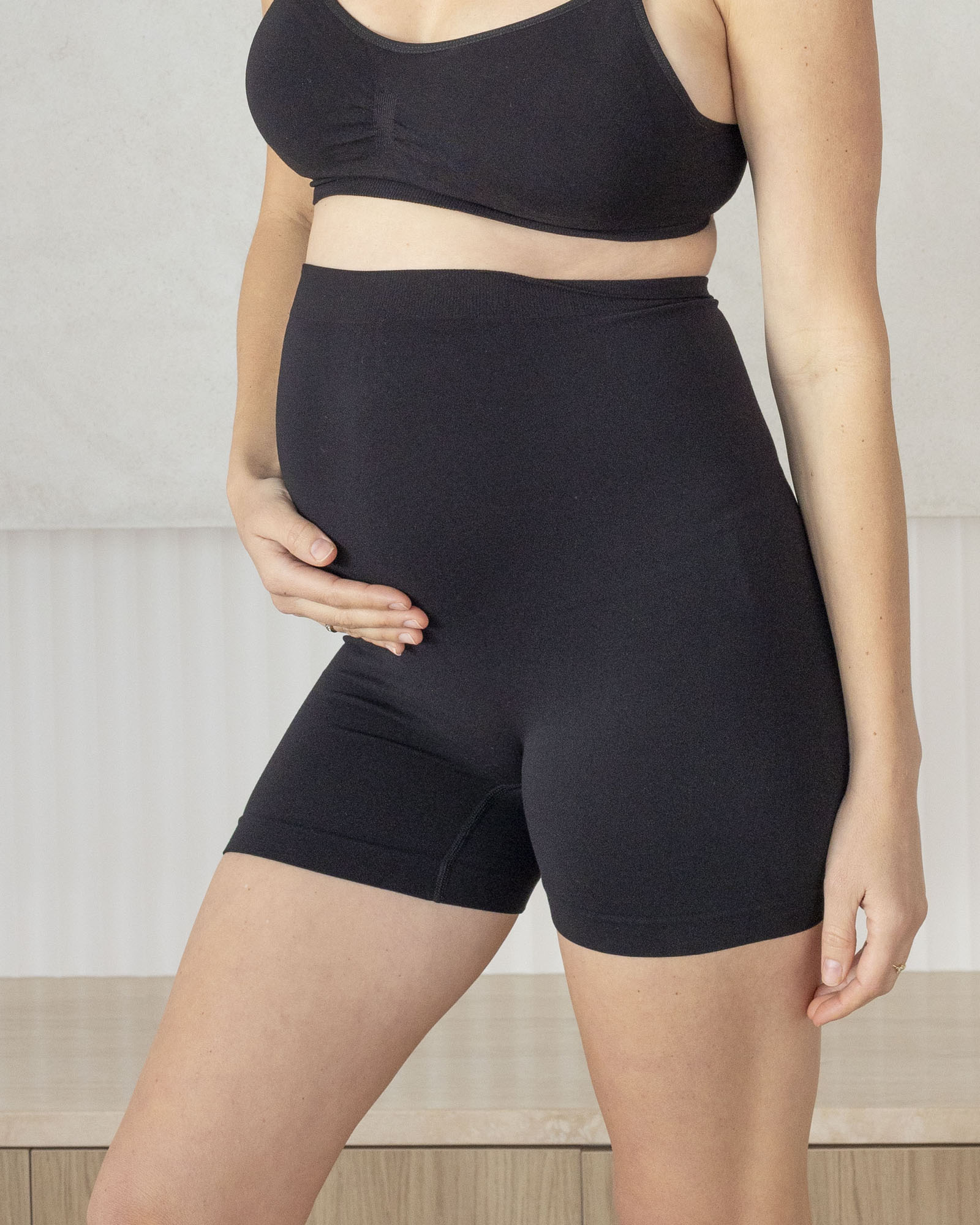
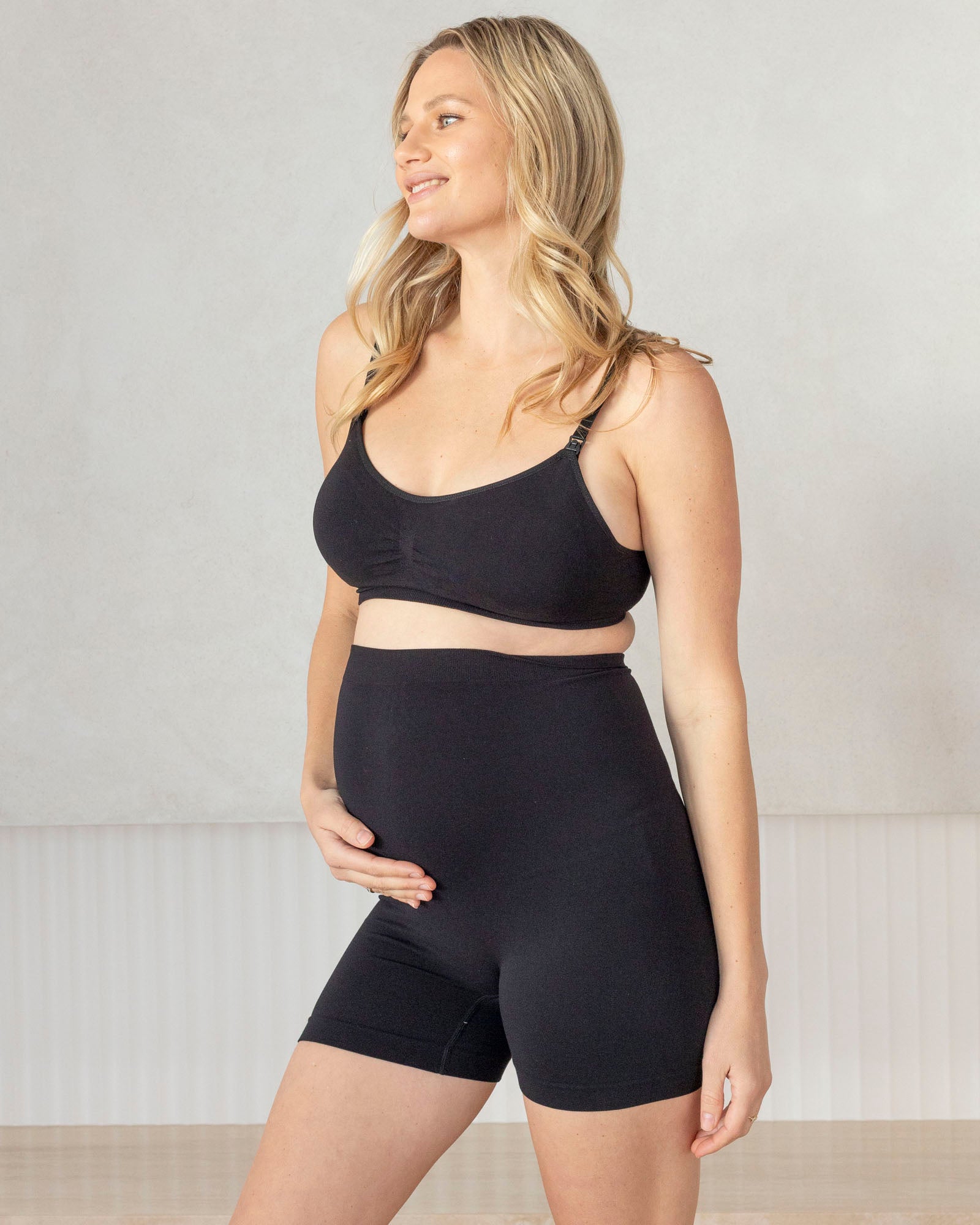
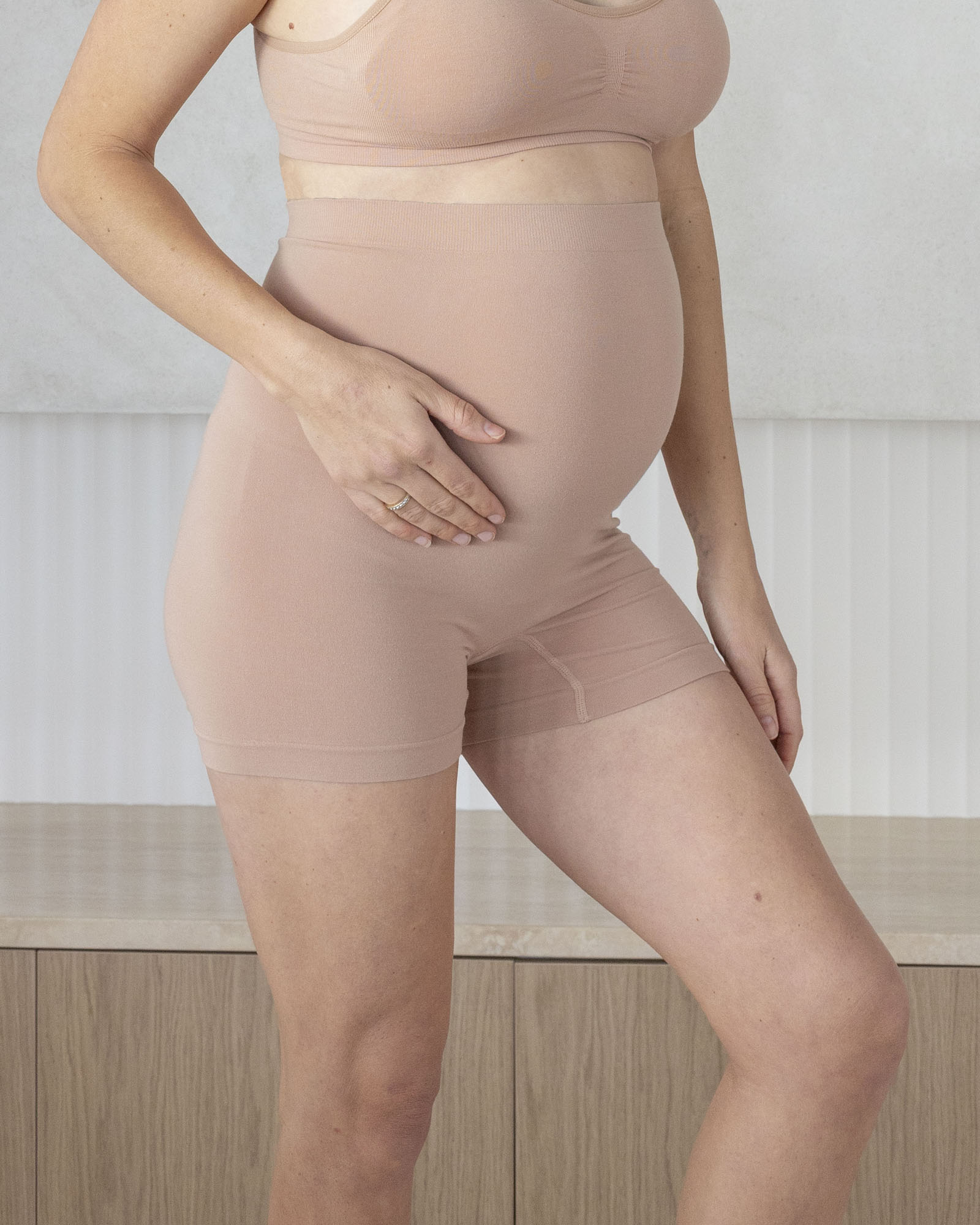
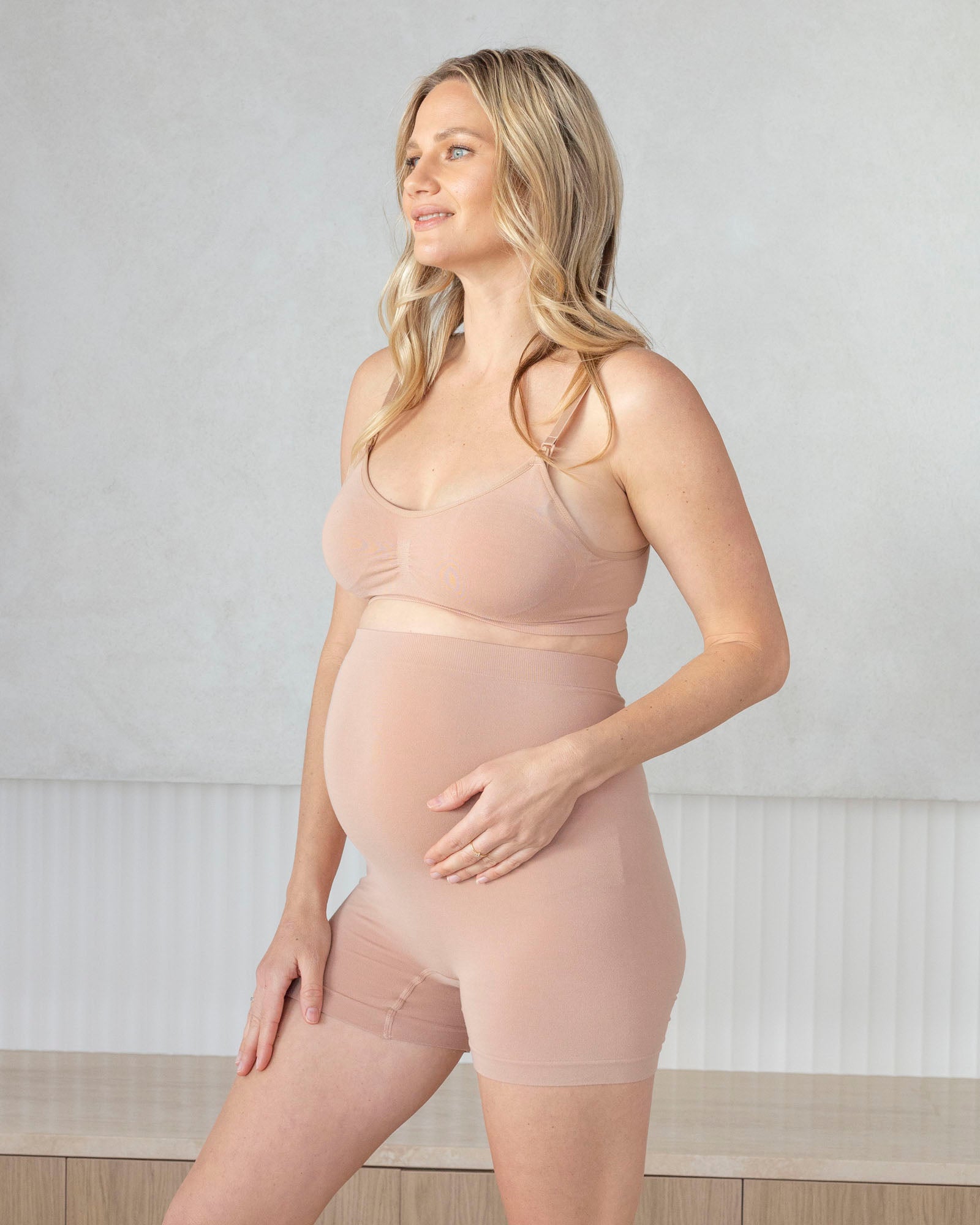
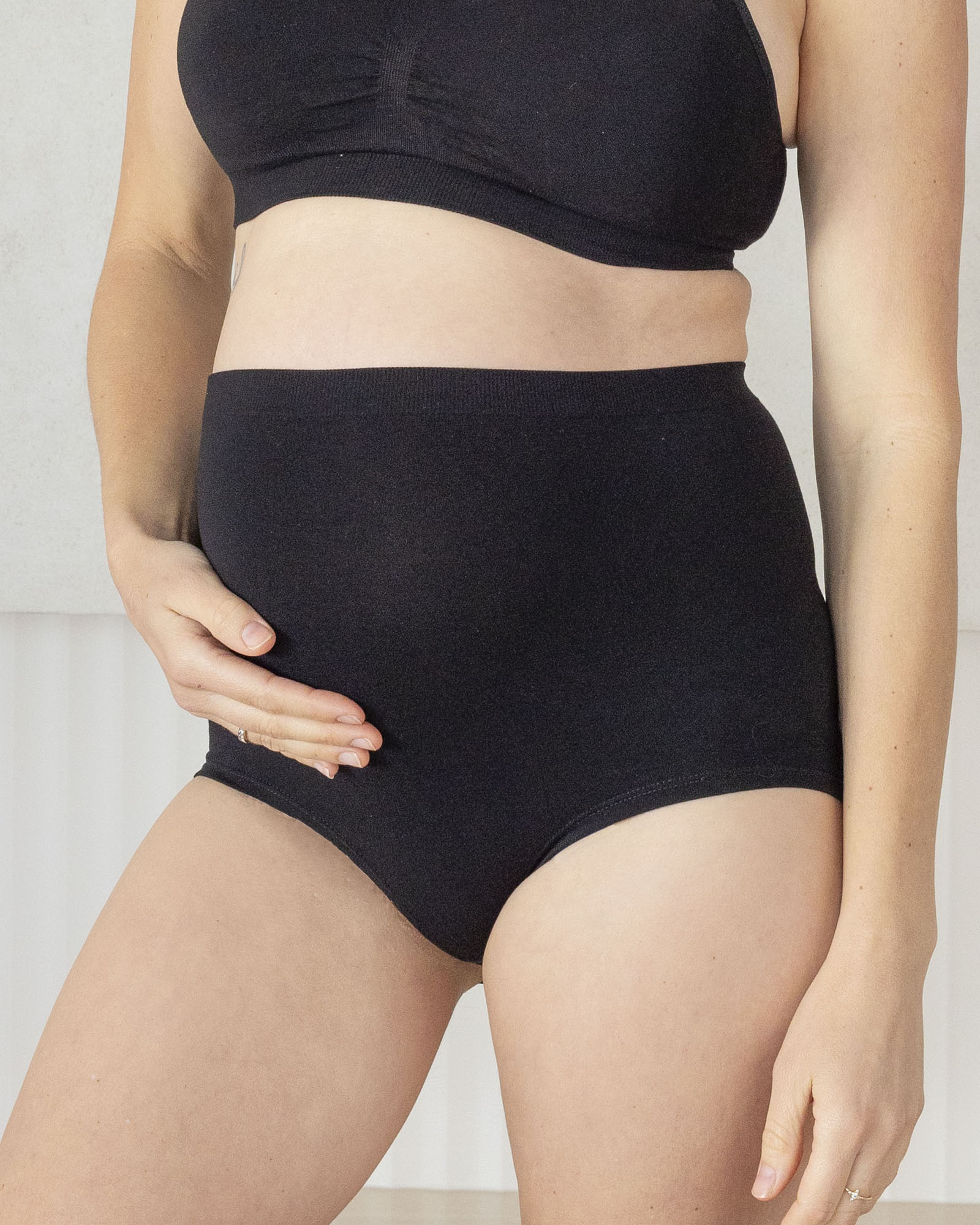
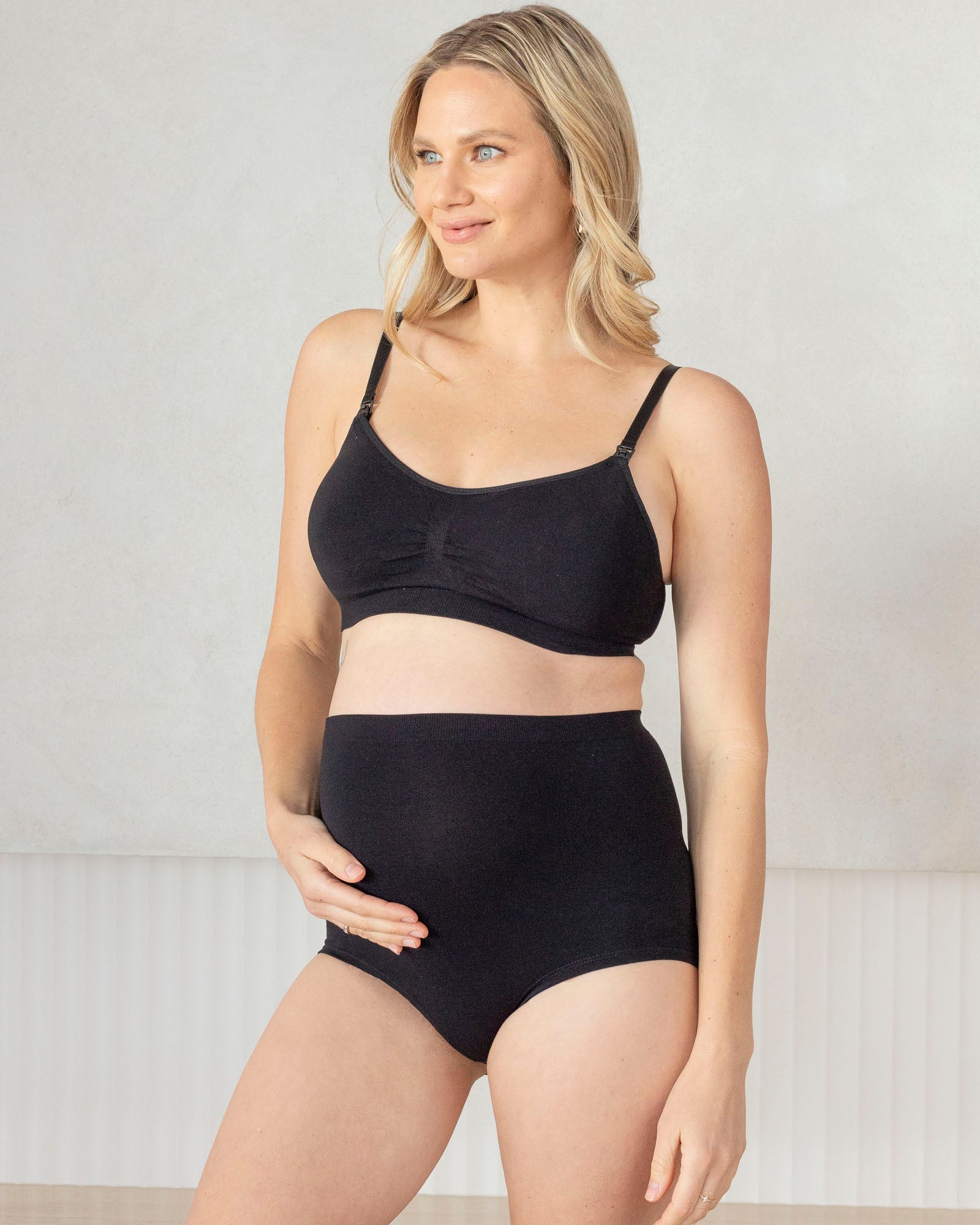
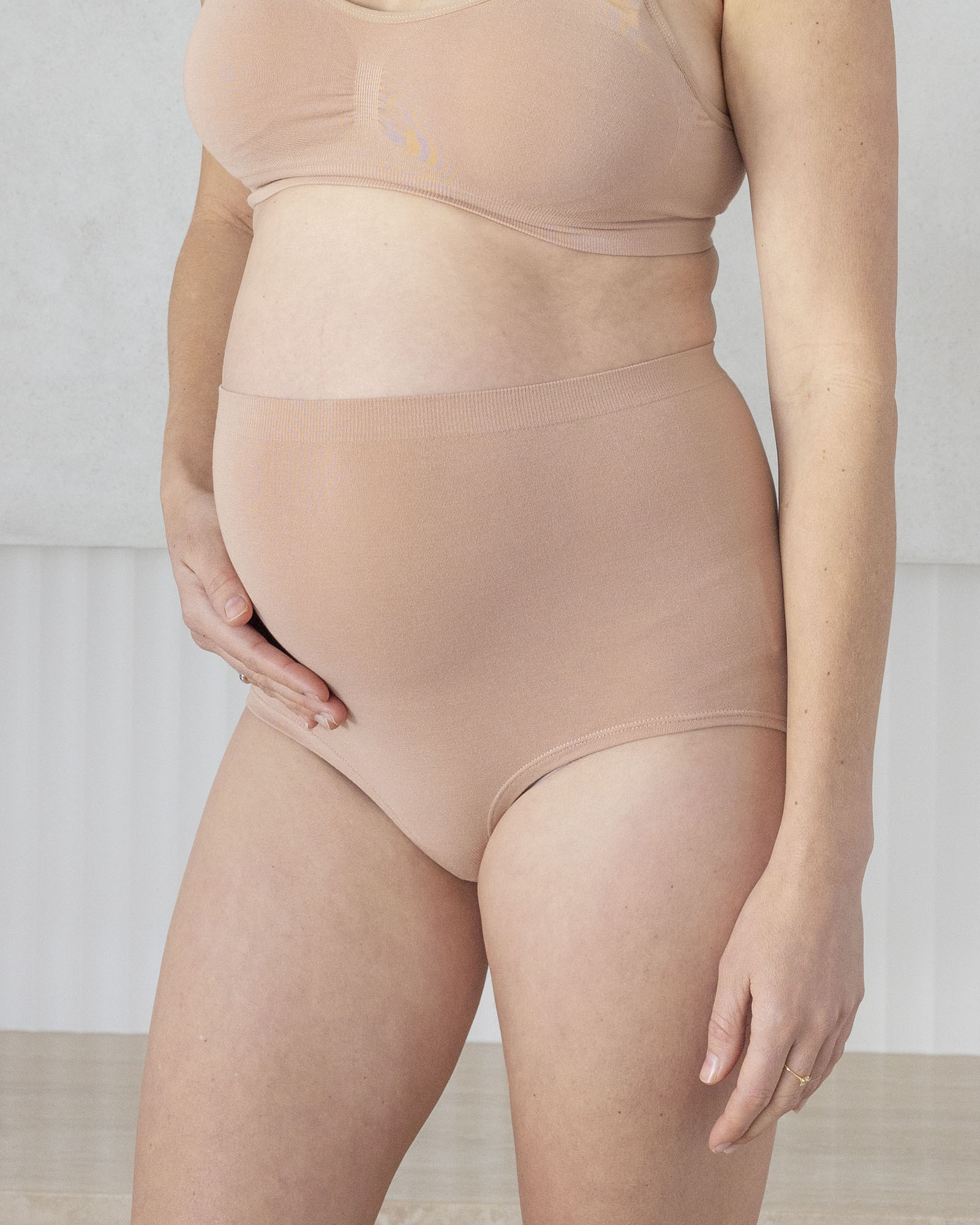
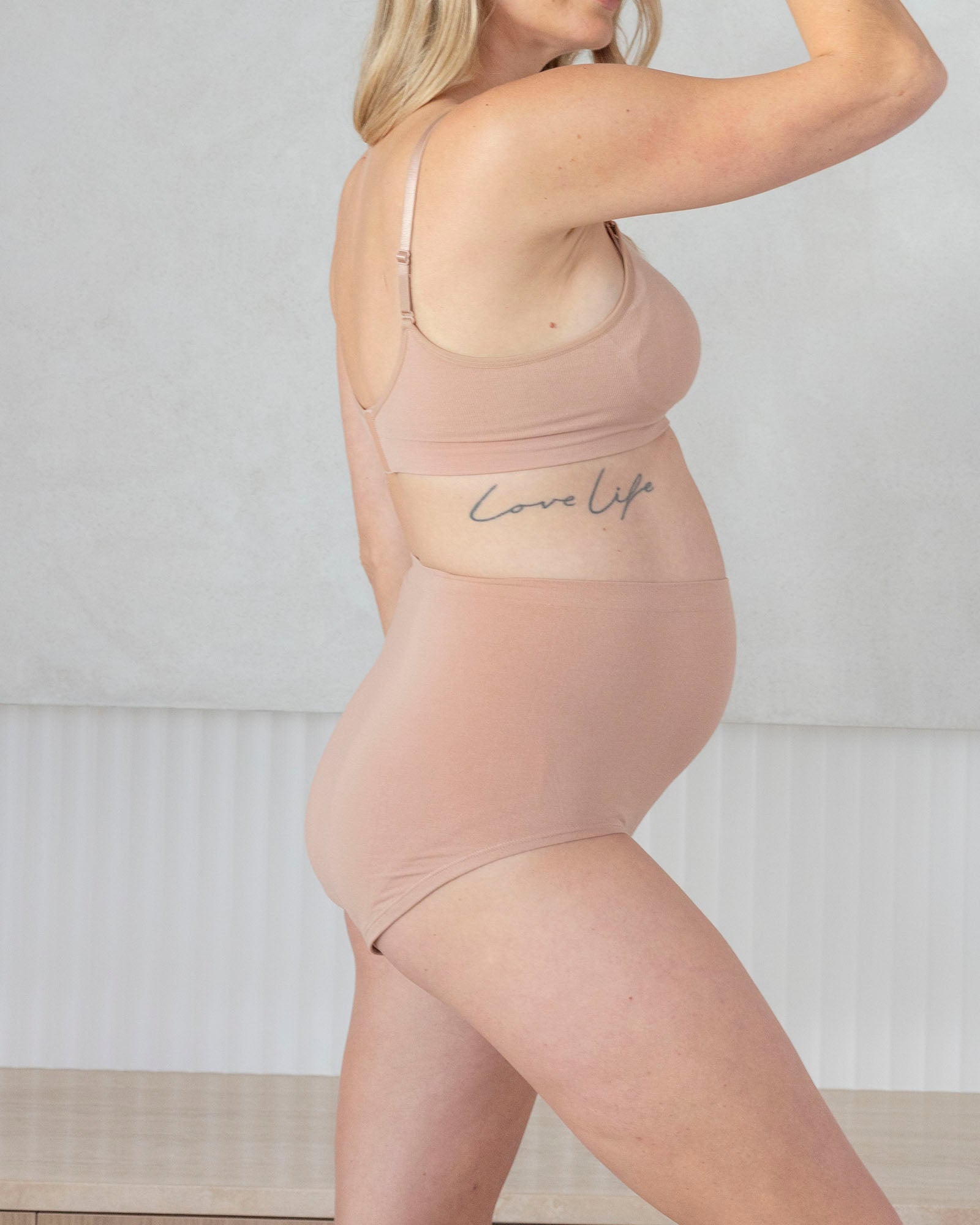
High-rise maternity briefs sit over the bump and provide gentle compression and extra support. Many women prefer this style in the second and third trimesters.
These styles offer full coverage and can feel especially supportive in later pregnancy.
Low-Rise (Under-the-Bump)
Under-bump maternity pants sit low on the hips and are ideal for early stages of pregnancy or if you dislike abdominal pressure.
This style rests comfortably below the belly and works well when layering under maternity clothes.
Choosing the Right Style for Your Body Shape
Different body shapes may prefer different styles. Stretchy thongs or cheeky briefs can highlight curves without visible lines, making them ideal for hourglass shapes.
Boyshorts or bikini styles suit women with wider hips and thighs, offering comfort and coverage.
If you carry more weight around the midsection, high-waisted maternity briefs provide extra coverage and gentle support.
Seamless Designs Reduce Irritation
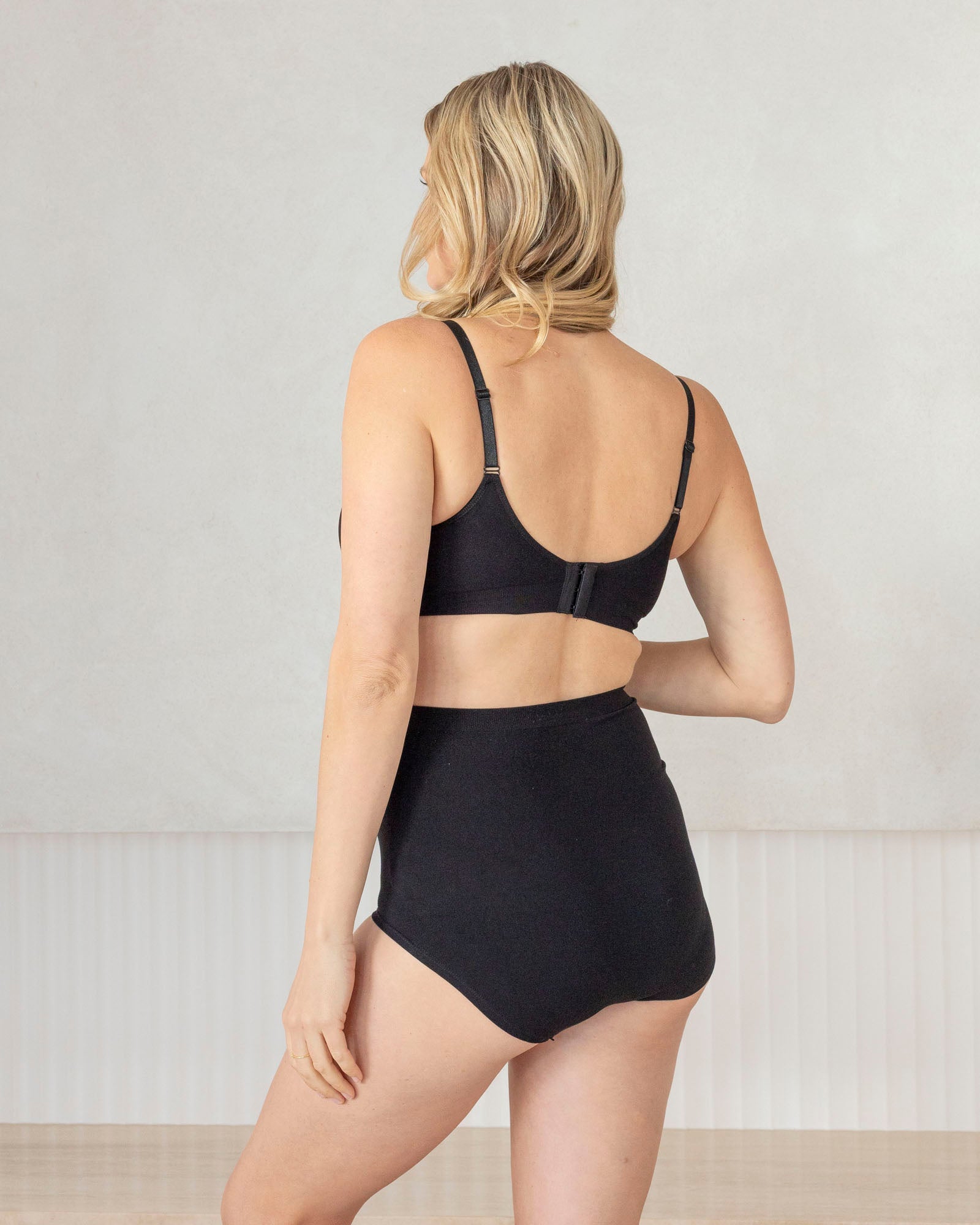
Seamless underwear is recommended during pregnancy because it prevents chafing and irritation on sensitive skin. A seamless design also creates a smoother fit under regular clothes and maternity clothing.
Wide, non-digging waistbands are essential, especially in the later stages of pregnancy. They sit comfortably without cutting into your skin.
How Many Pairs Do You Need?
It is advisable to have 7 to 10 pairs of maternity underwear during pregnancy. This ensures you always have a fresh set available, particularly if you are managing bladder leaks or increased discharge.
Multipacks can provide cost savings and make it easier to rotate pairs during different stages of pregnancy and postpartum recovery.
Generally, you should choose your pre-pregnancy size when buying maternity underwear, as they are designed to stretch and grow with your body. However, if you experience rapid weight gain or fall between sizes, consider sizing up for extra comfort.
Postpartum Underwear and Recovery Needs
After giving birth, your needs may change again. Disposable postpartum underwear can be useful in the first few days, especially for hospital stays and postpartum bleeding.
High-waisted briefs with gentle compression can be particularly helpful during postpartum recovery, especially after a C-section or vaginal delivery. For C-section mums, high-waisted styles are often preferred because the waistband sits above the healing incision area, helping to reduce rubbing and discomfort. These styles can provide additional support during the first few weeks of recovery, which may last up to six weeks.
As postpartum bleeding (lochia) begins to lighten, some women choose high-absorbency period underwear for added protection and comfort. Always follow your healthcare provider’s advice during your recovery period.
Key Considerations When Choosing Maternity Underwear
- Breathable materials like cotton or bamboo
- Stretchy blends with elastane or spandex
- Seamless design to prevent irritation
- Wide waistbands that do not dig in
- Over-the-bump or under-the-bump preference
- Postpartum-friendly styles for continued wear
The right maternity underwear should feel supportive, breathable, and adaptable to your changing body throughout pregnancy and postpartum.
FAQs
How many pairs of maternity underwear do I need?
Most women benefit from having 7 to 10 pairs to ensure freshness and flexibility throughout pregnancy and postpartum recovery.
Should I size up in maternity underwear?
Generally, choose your pre-pregnancy size, as maternity underwear is designed to stretch. Size up only if you are between sizes or experiencing rapid weight changes.
Can I keep wearing maternity underwear after giving birth?
Yes. Many maternity briefs are designed to support postpartum recovery and can be worn comfortably after delivery.
Find the Right Maternity Underwear for You
Choosing maternity underwear that is specifically designed for pregnancy and postpartum makes a real difference in comfort, hygiene, and support. Soft materials, breathable fabrics, and flexible waistbands help you move through each stage of pregnancy feeling supported.
Explore comfortable, supportive maternity underwear from Angel Maternity, designed to grow with your body and support you during pregnancy and beyond.