Nursing Bras
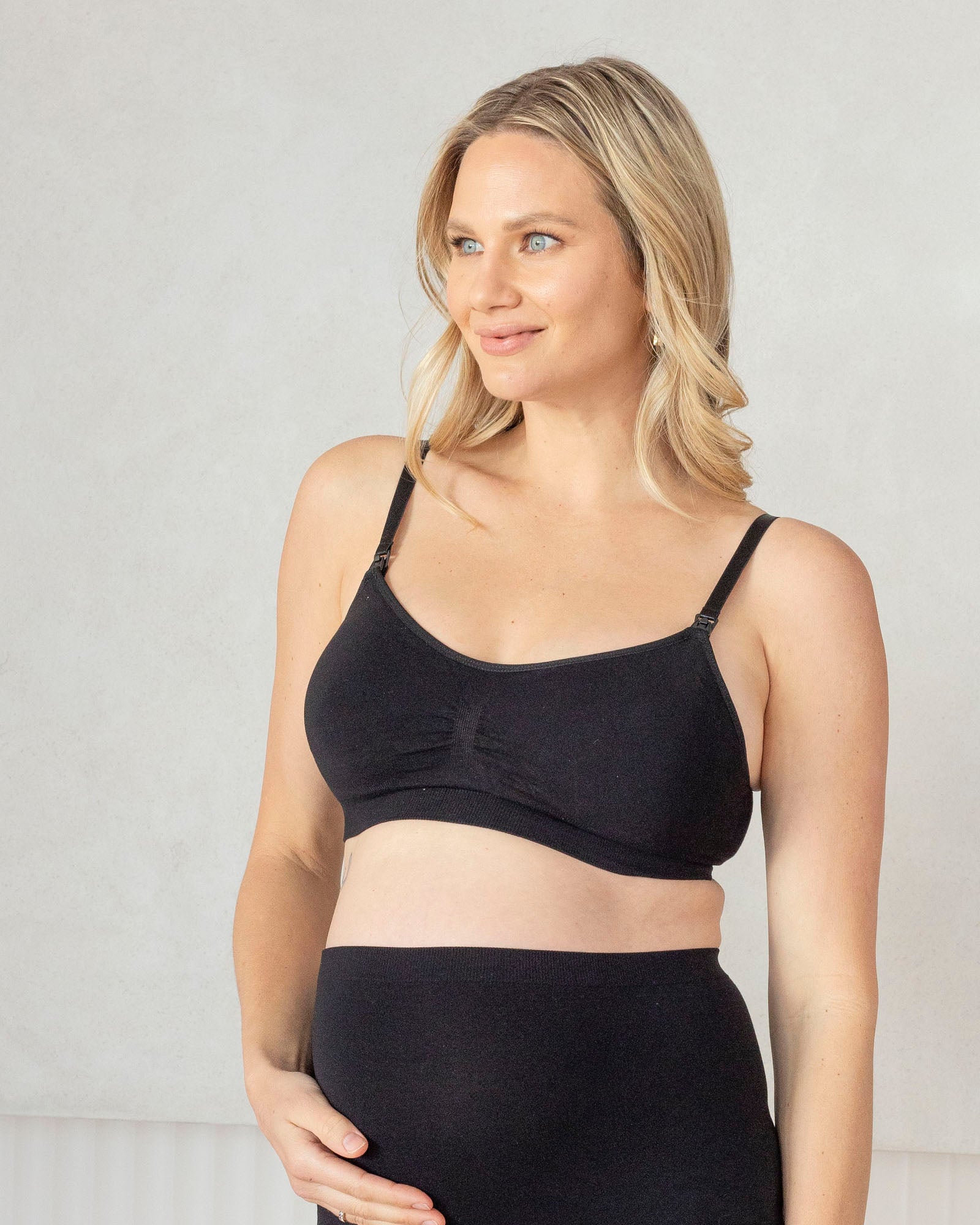
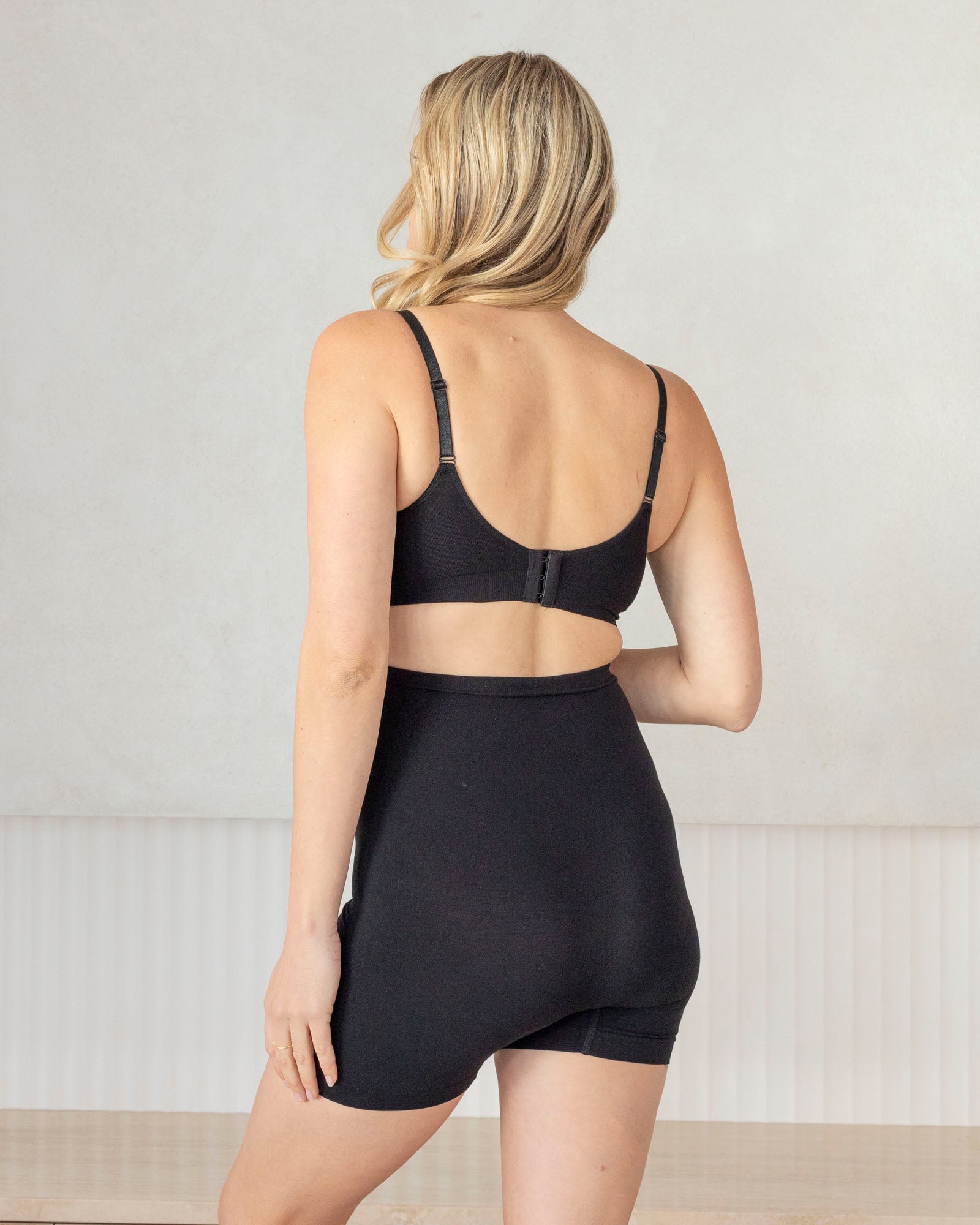
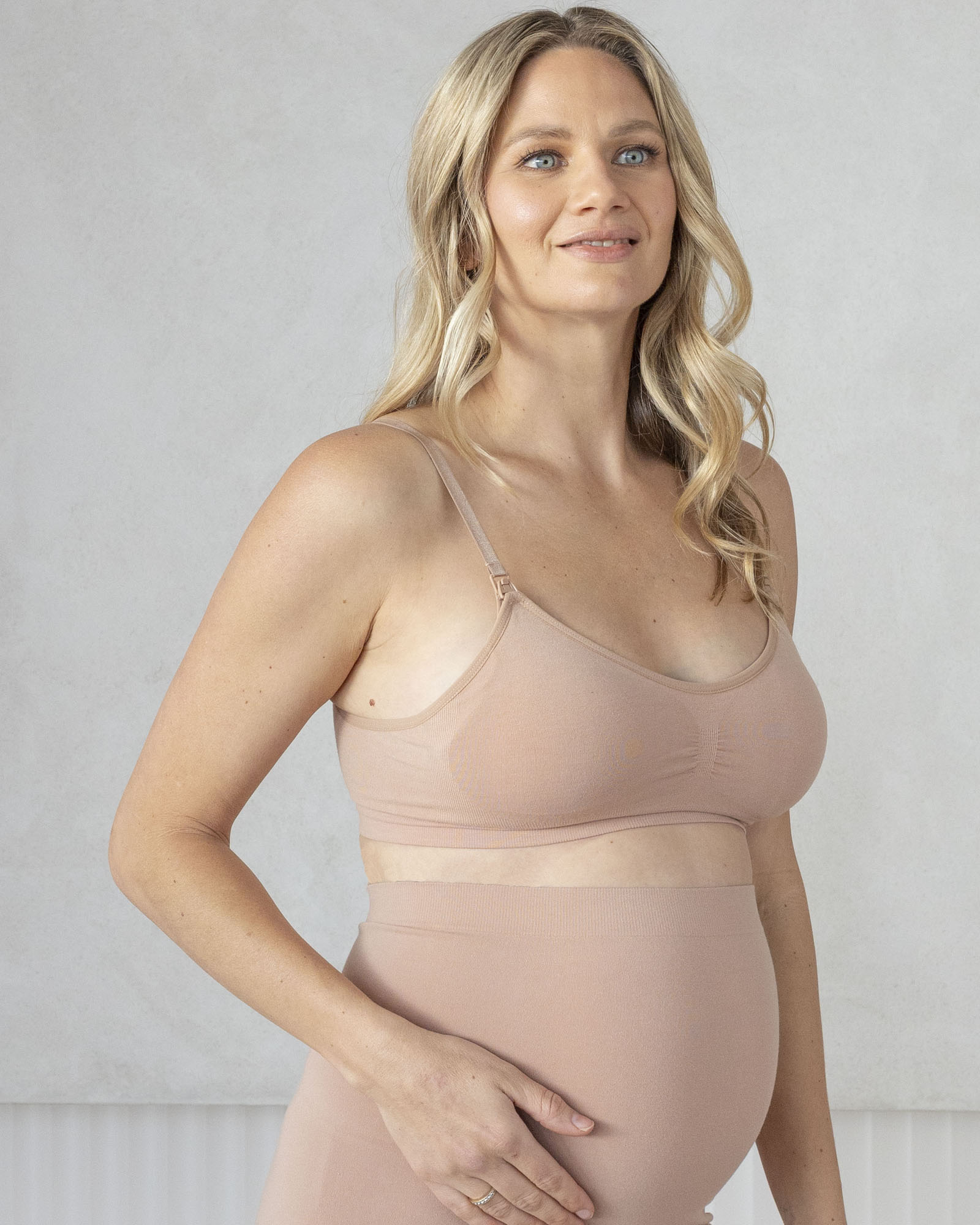
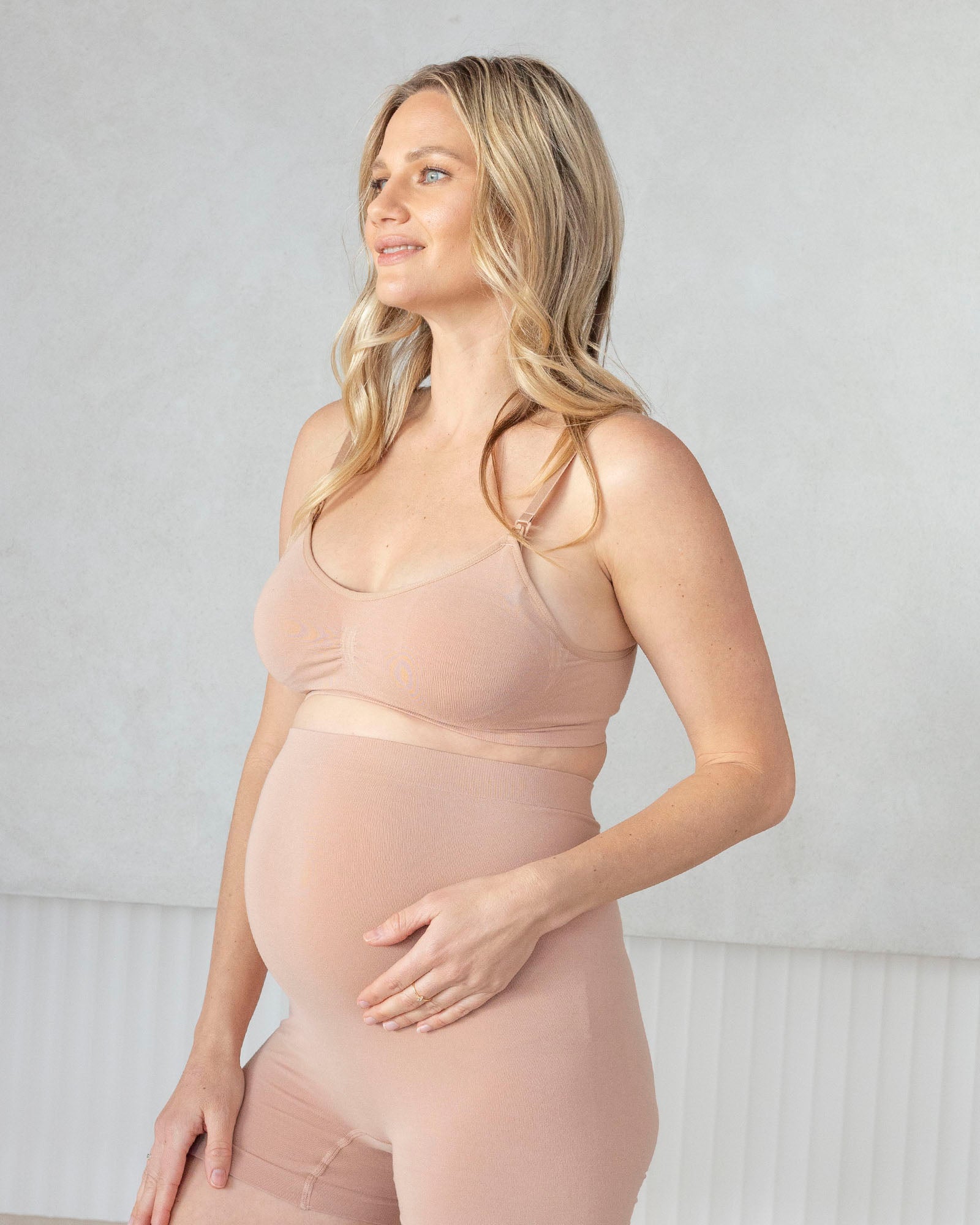
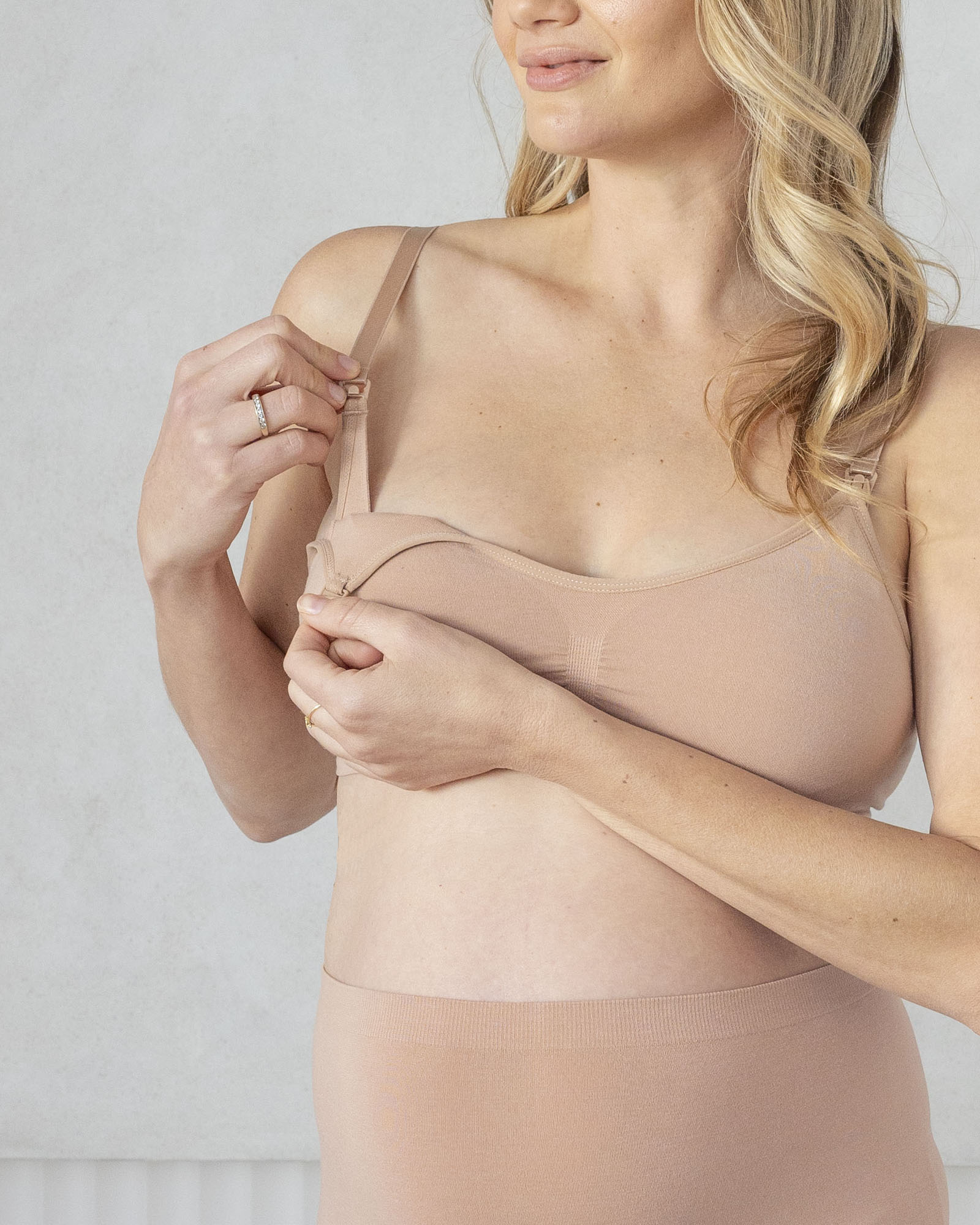
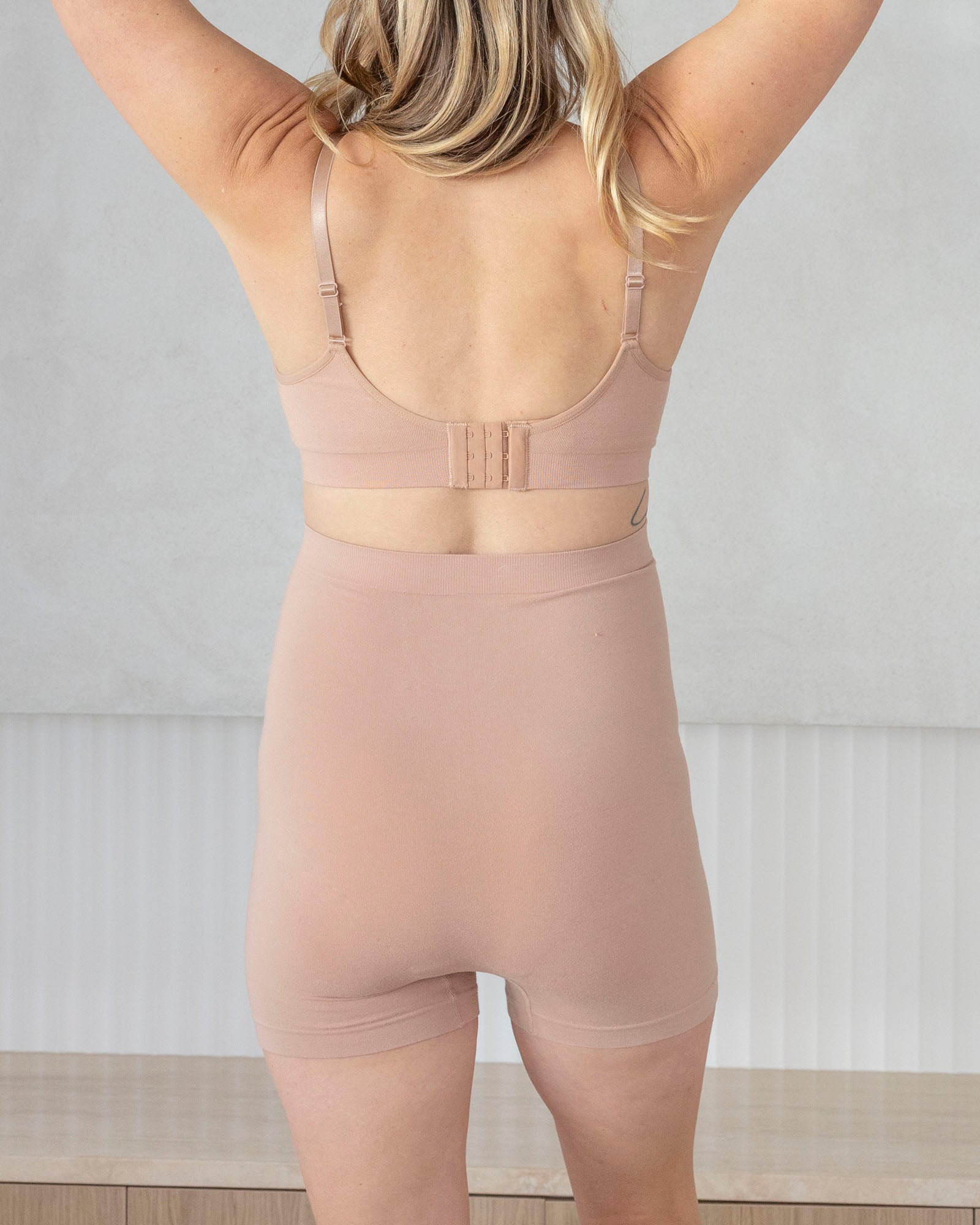
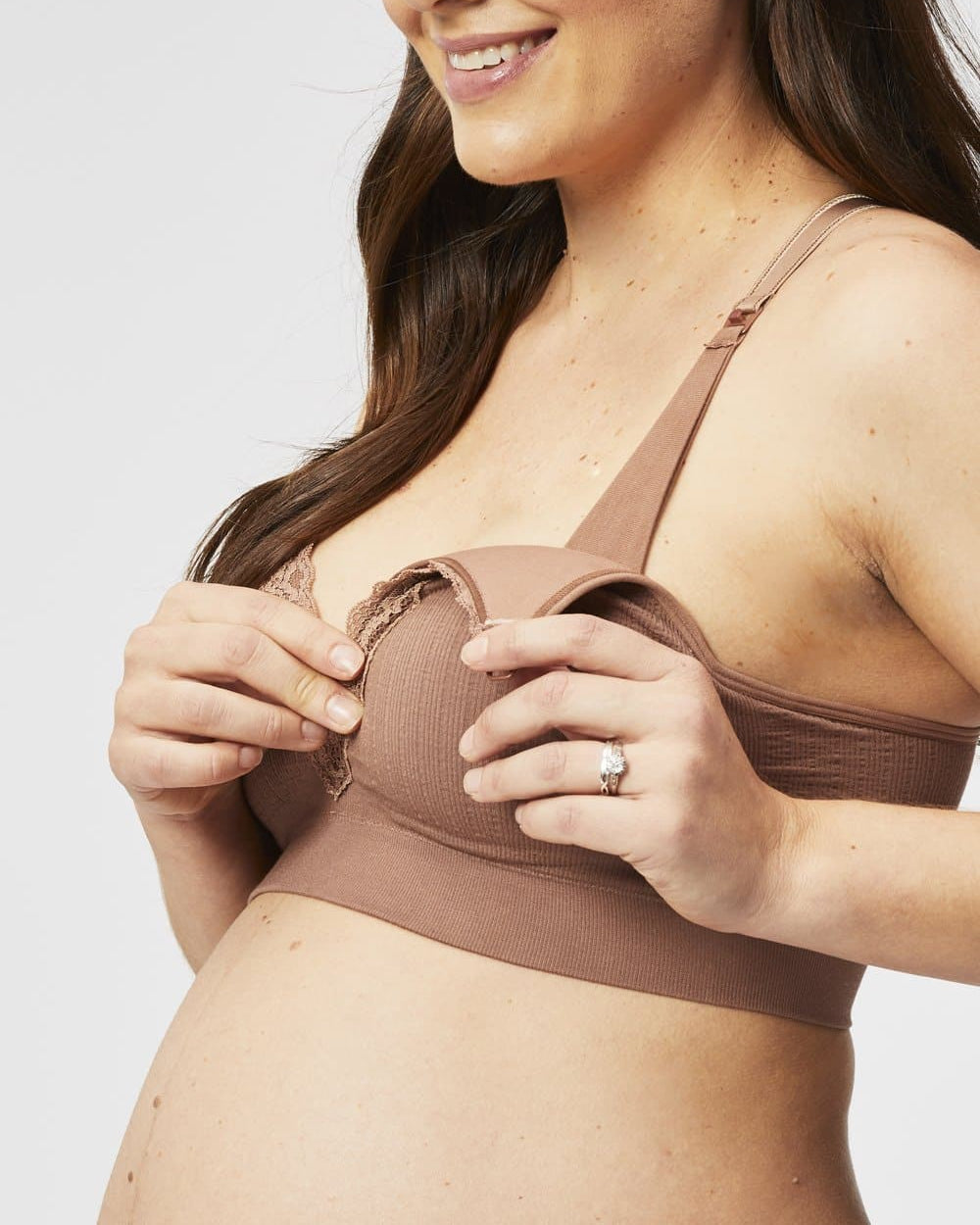
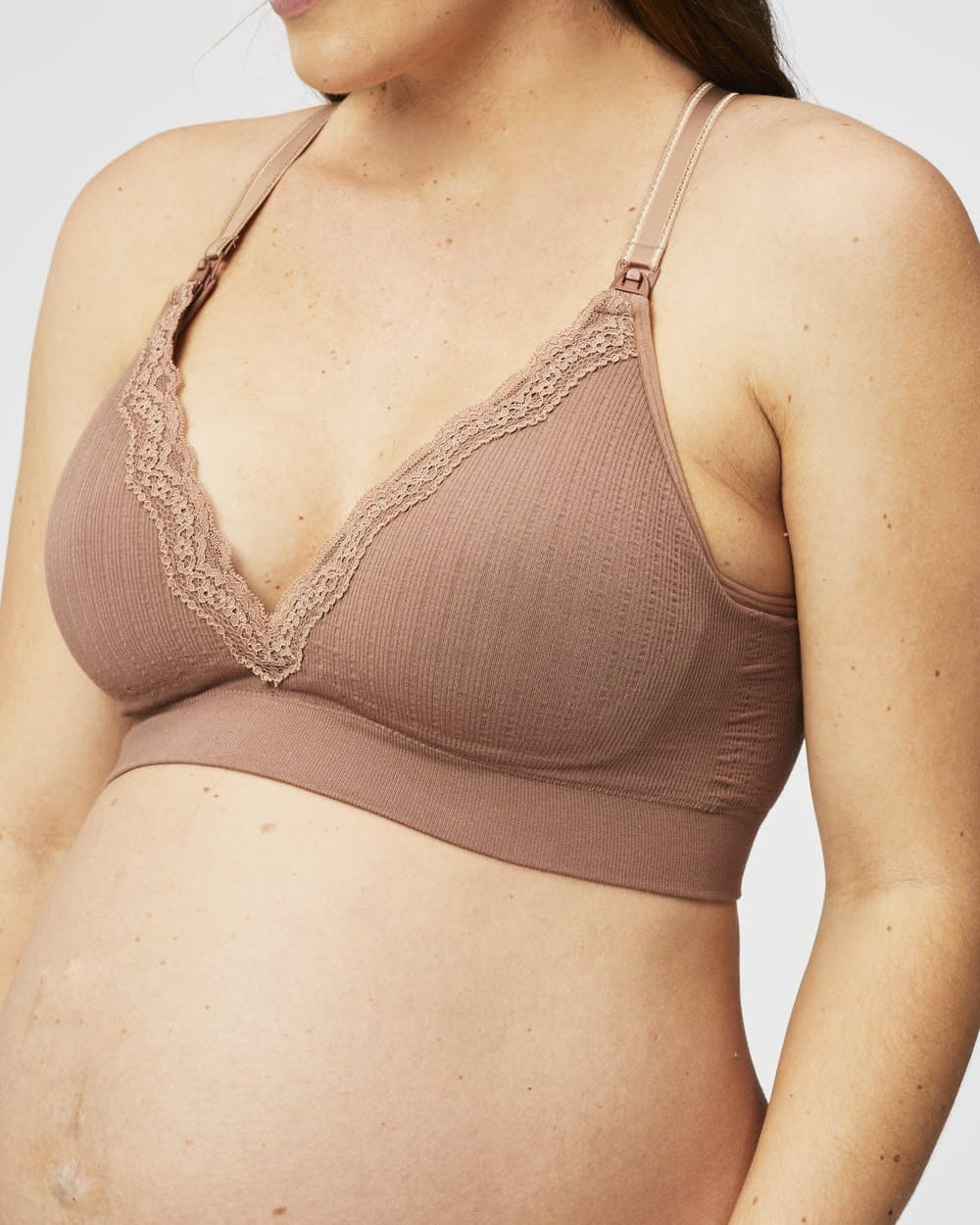
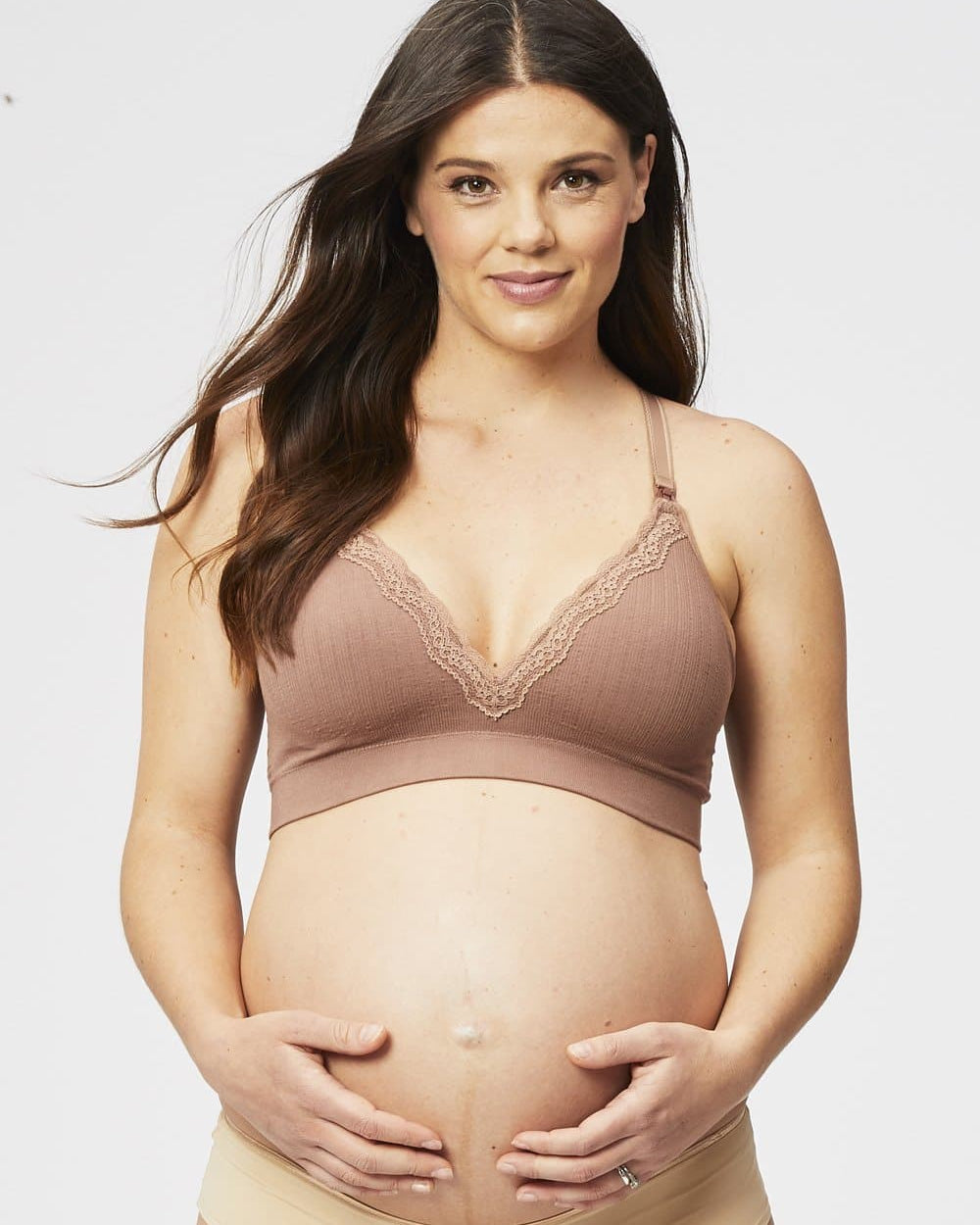
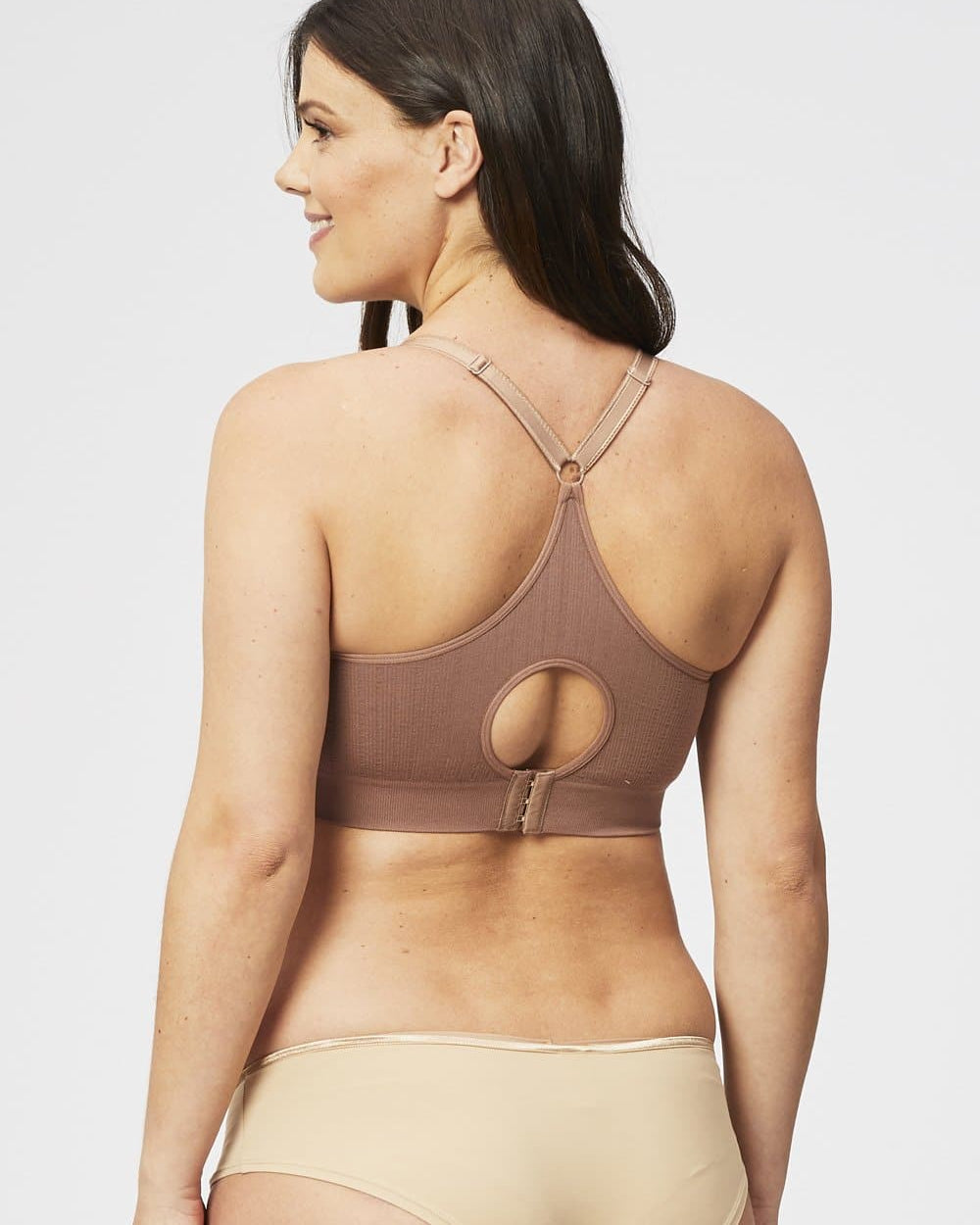
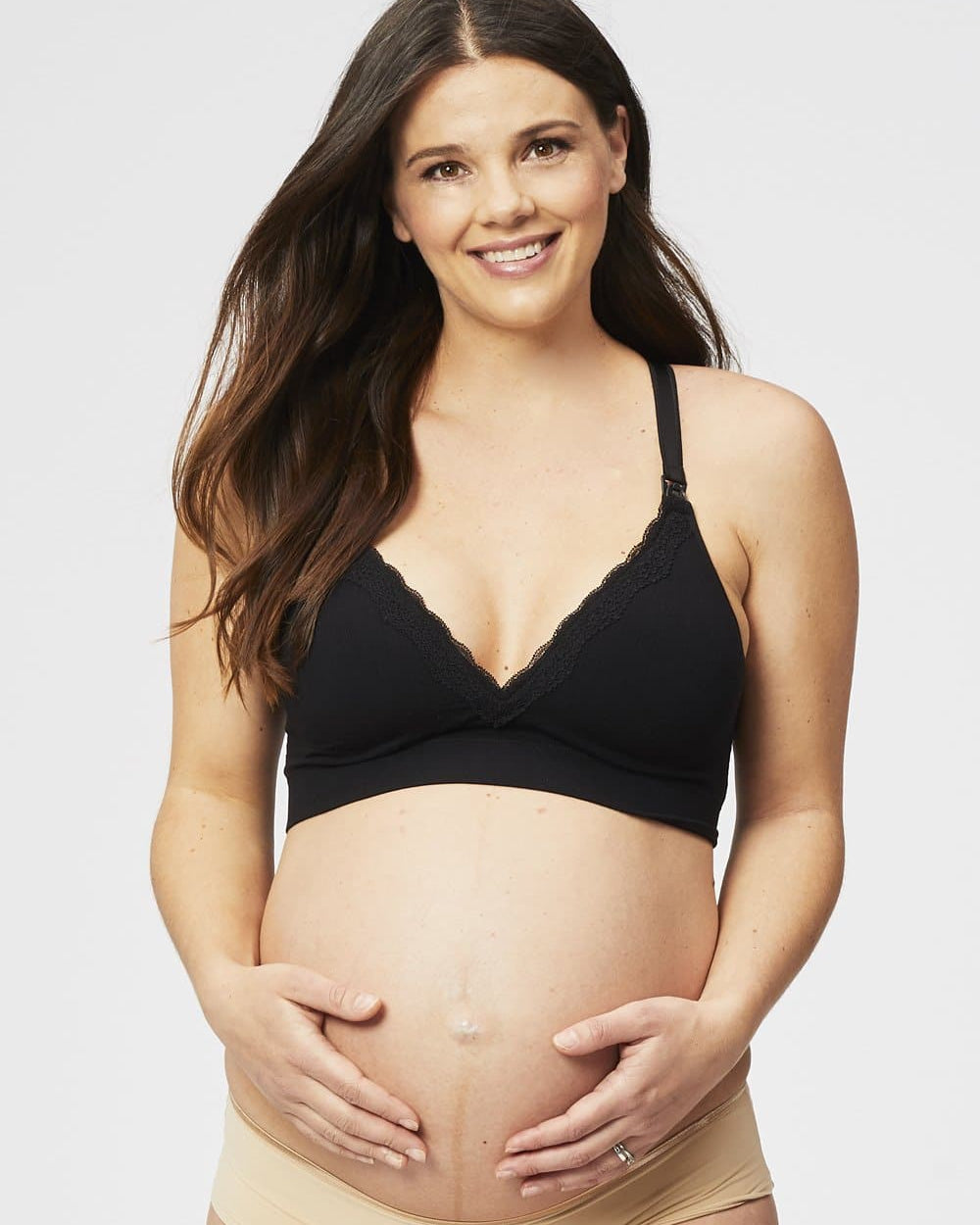
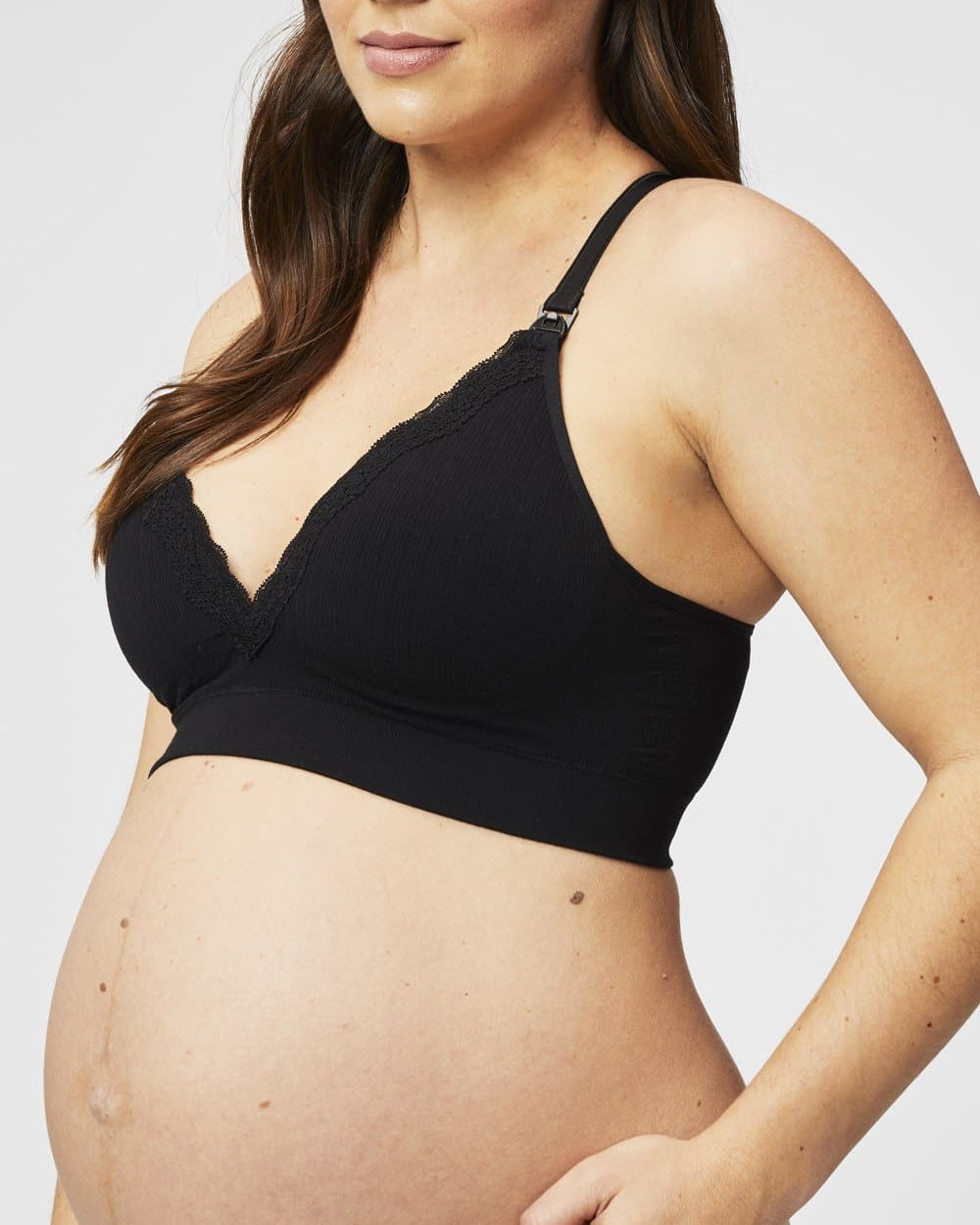
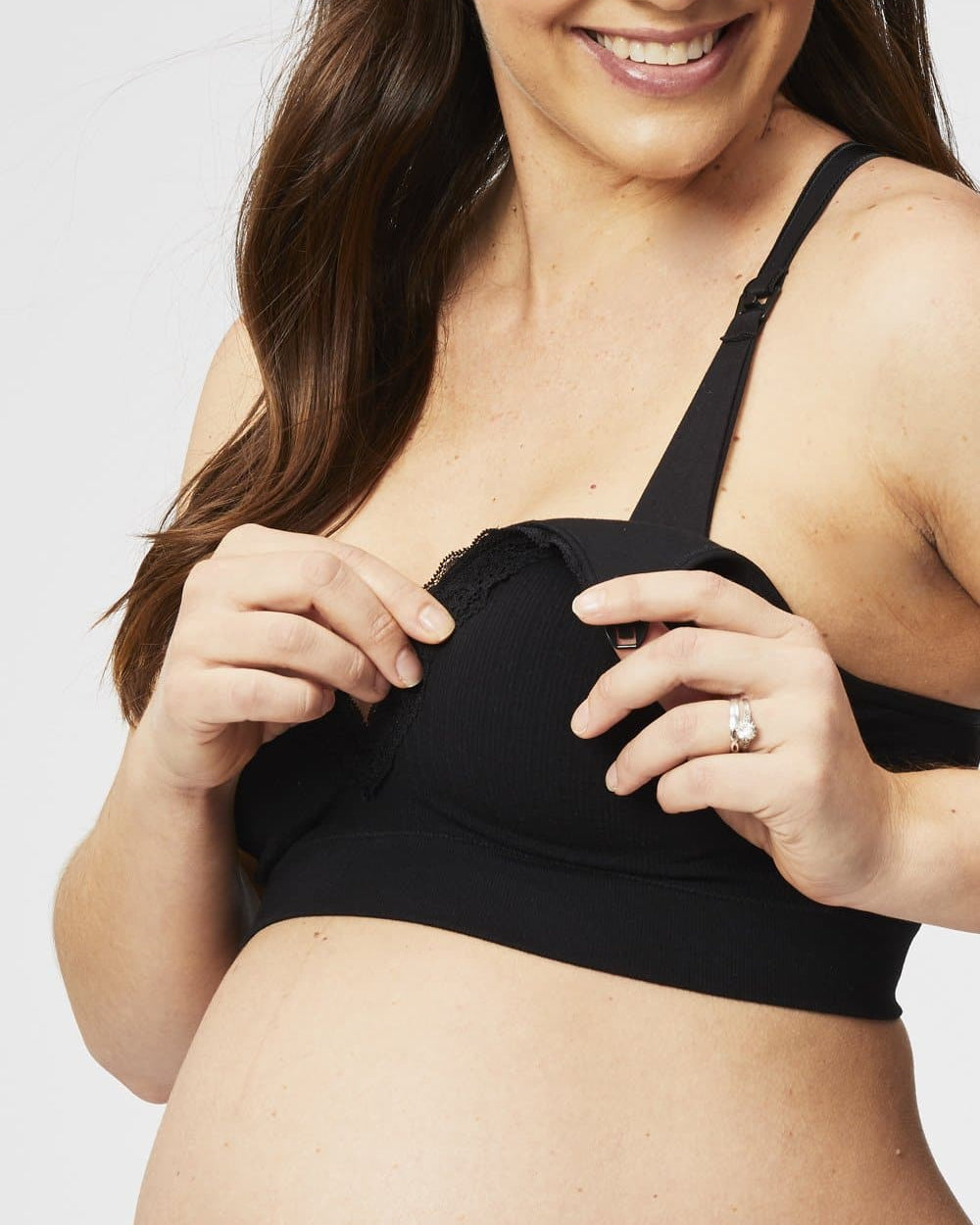
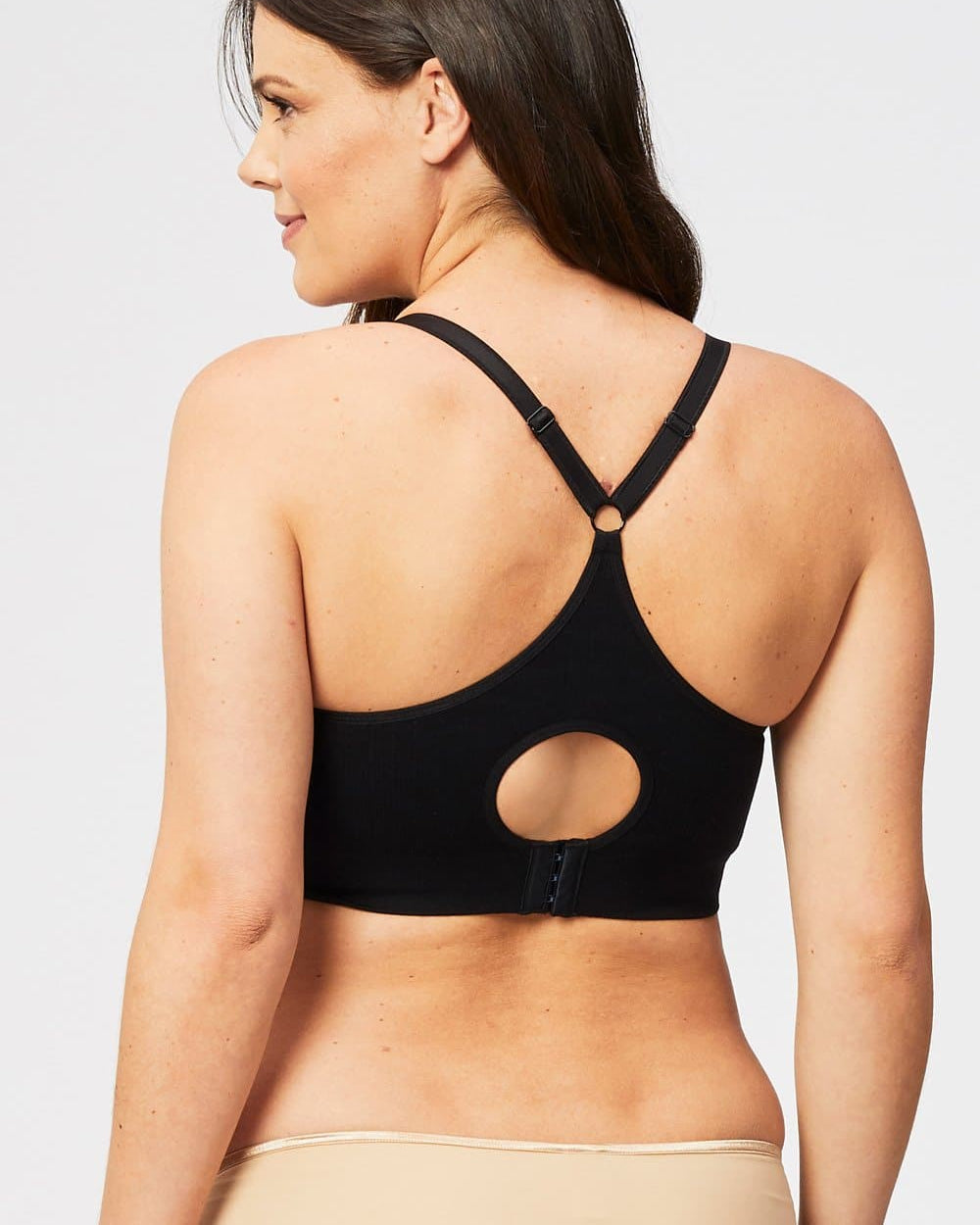
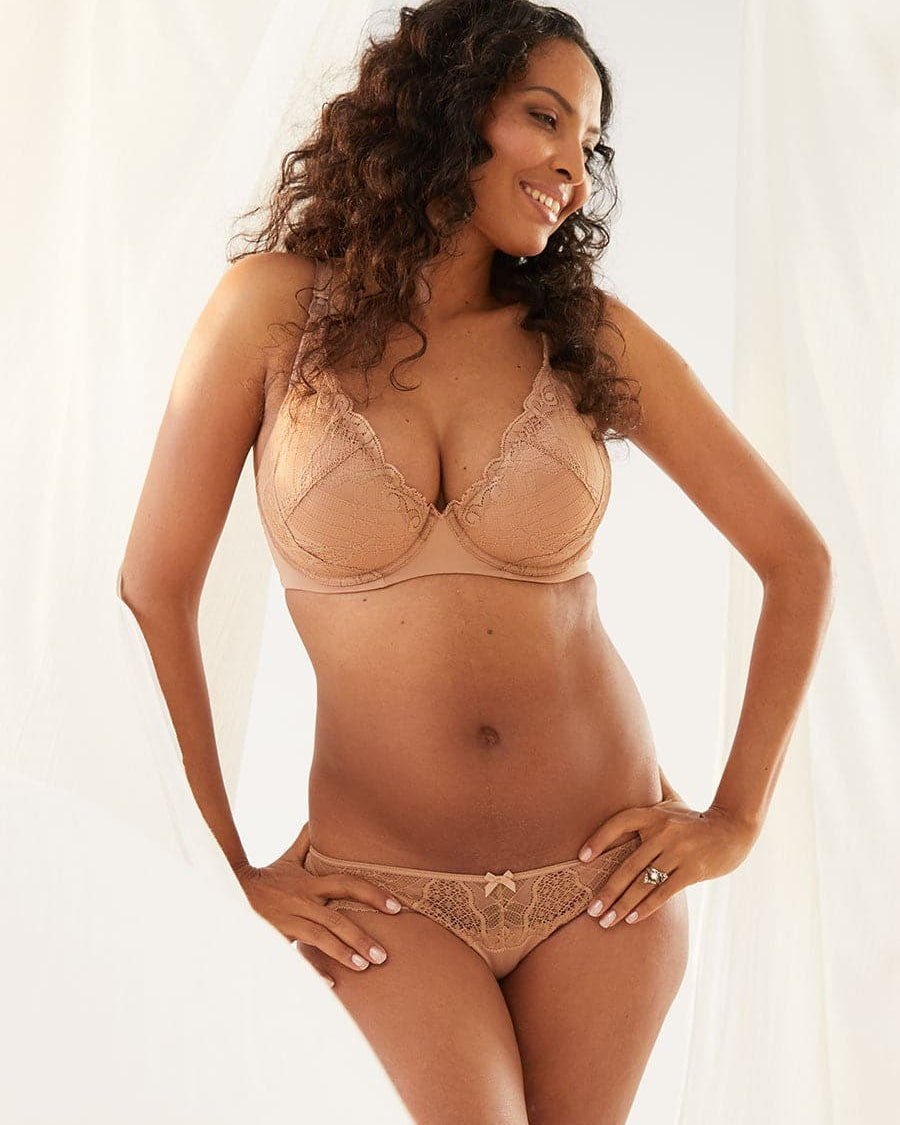
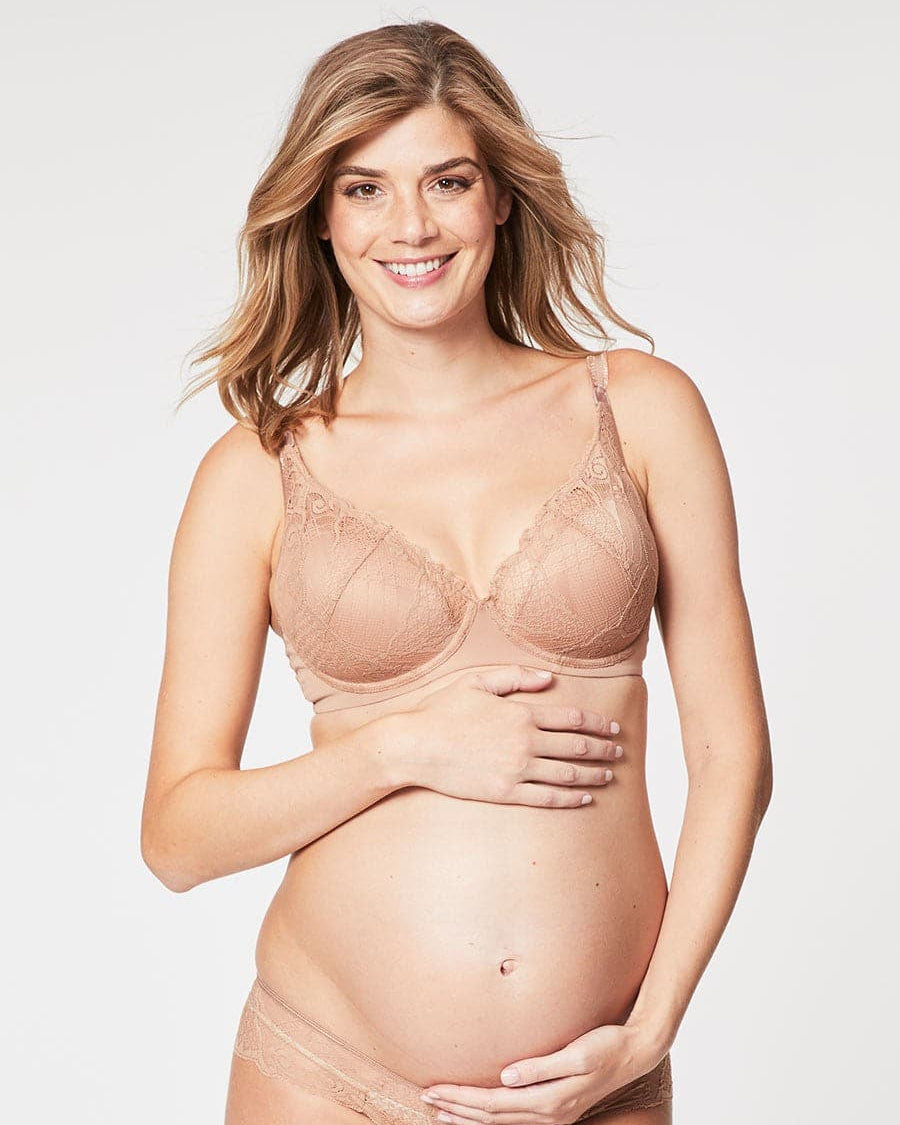
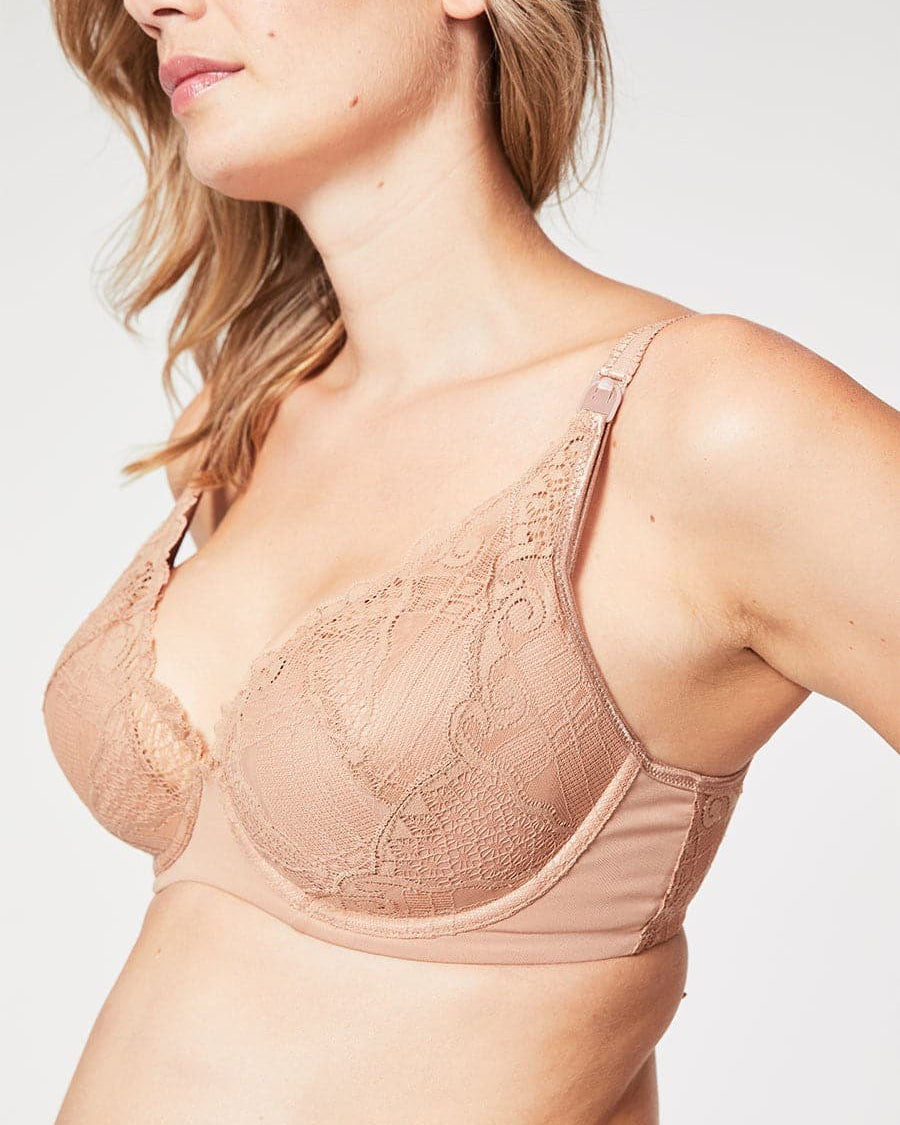
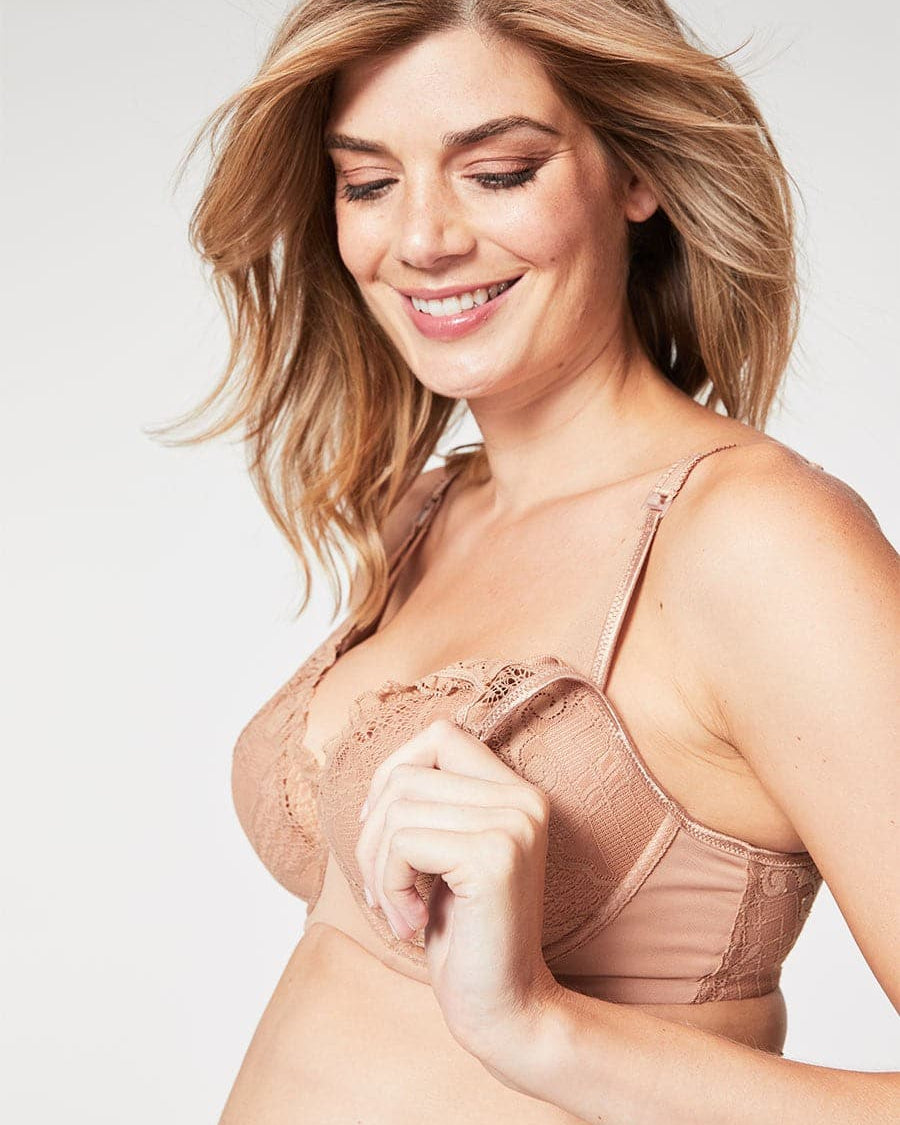
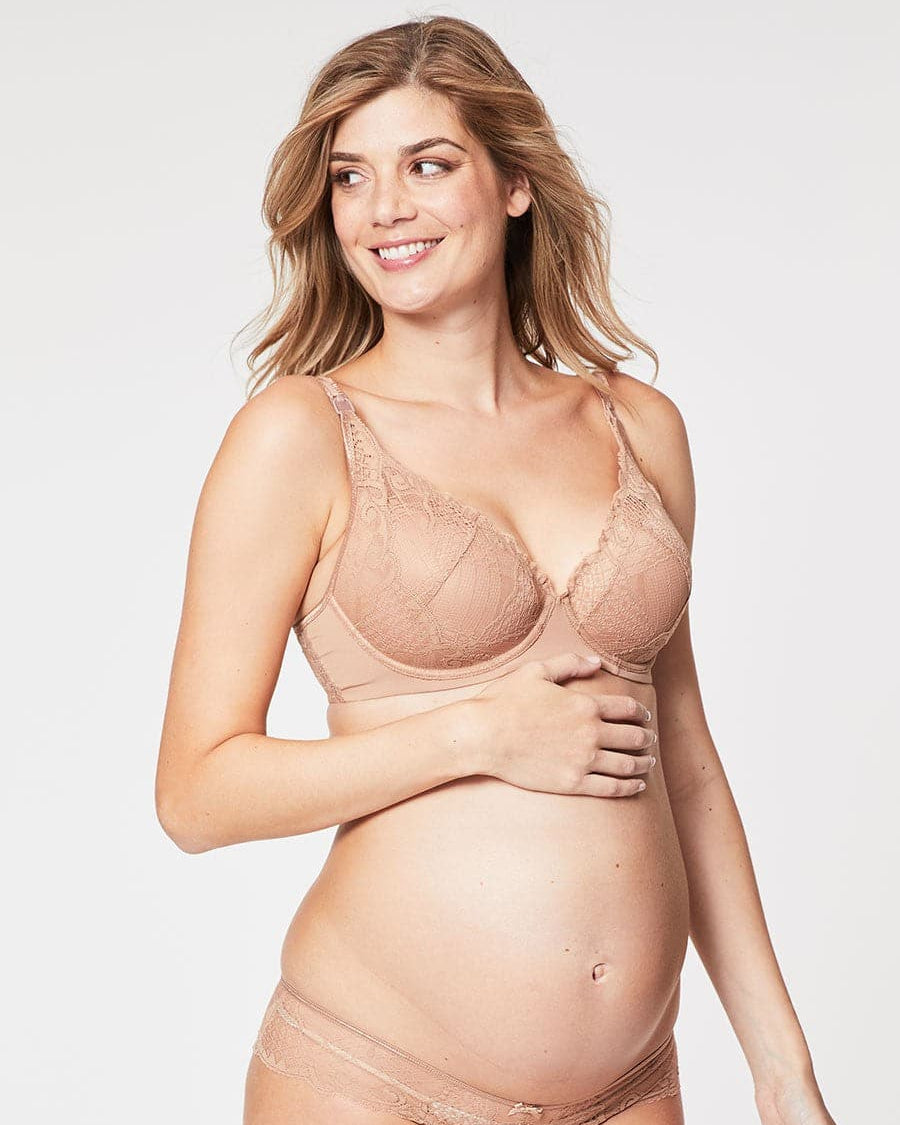
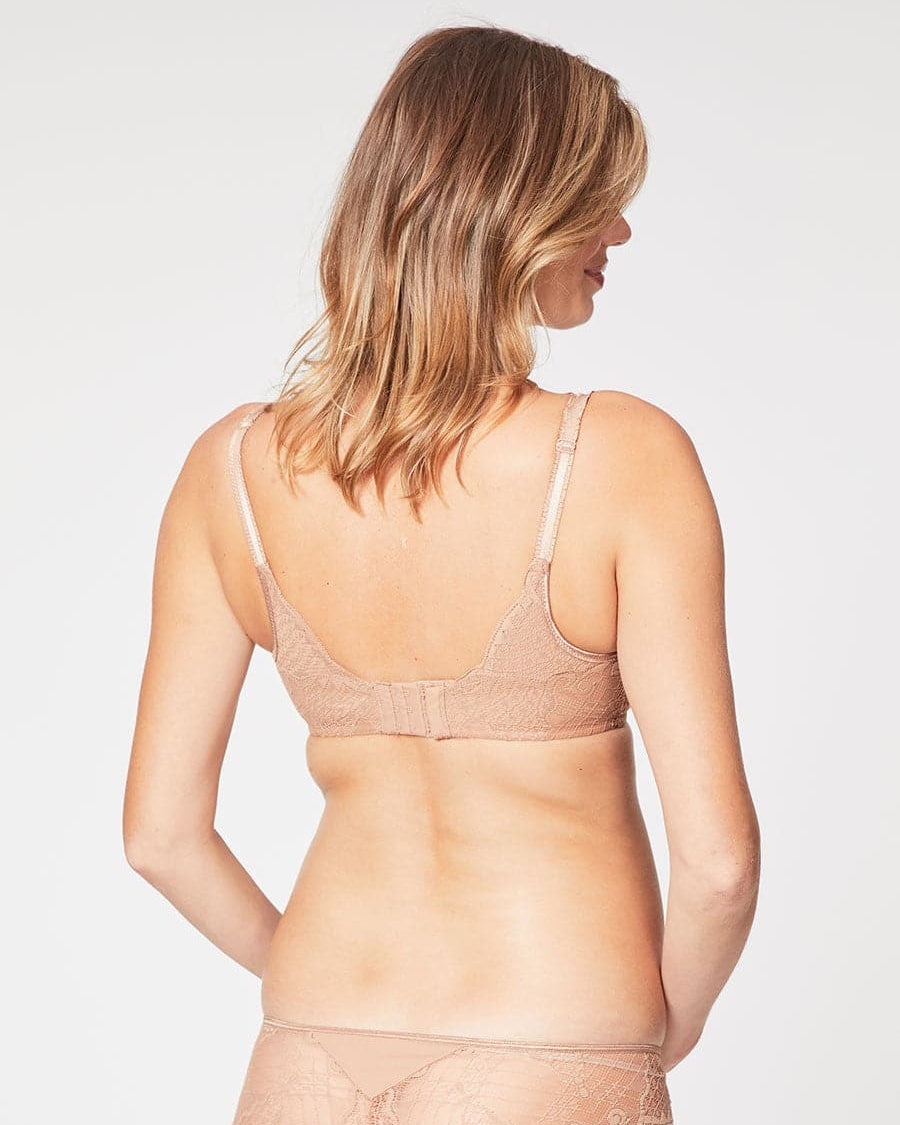
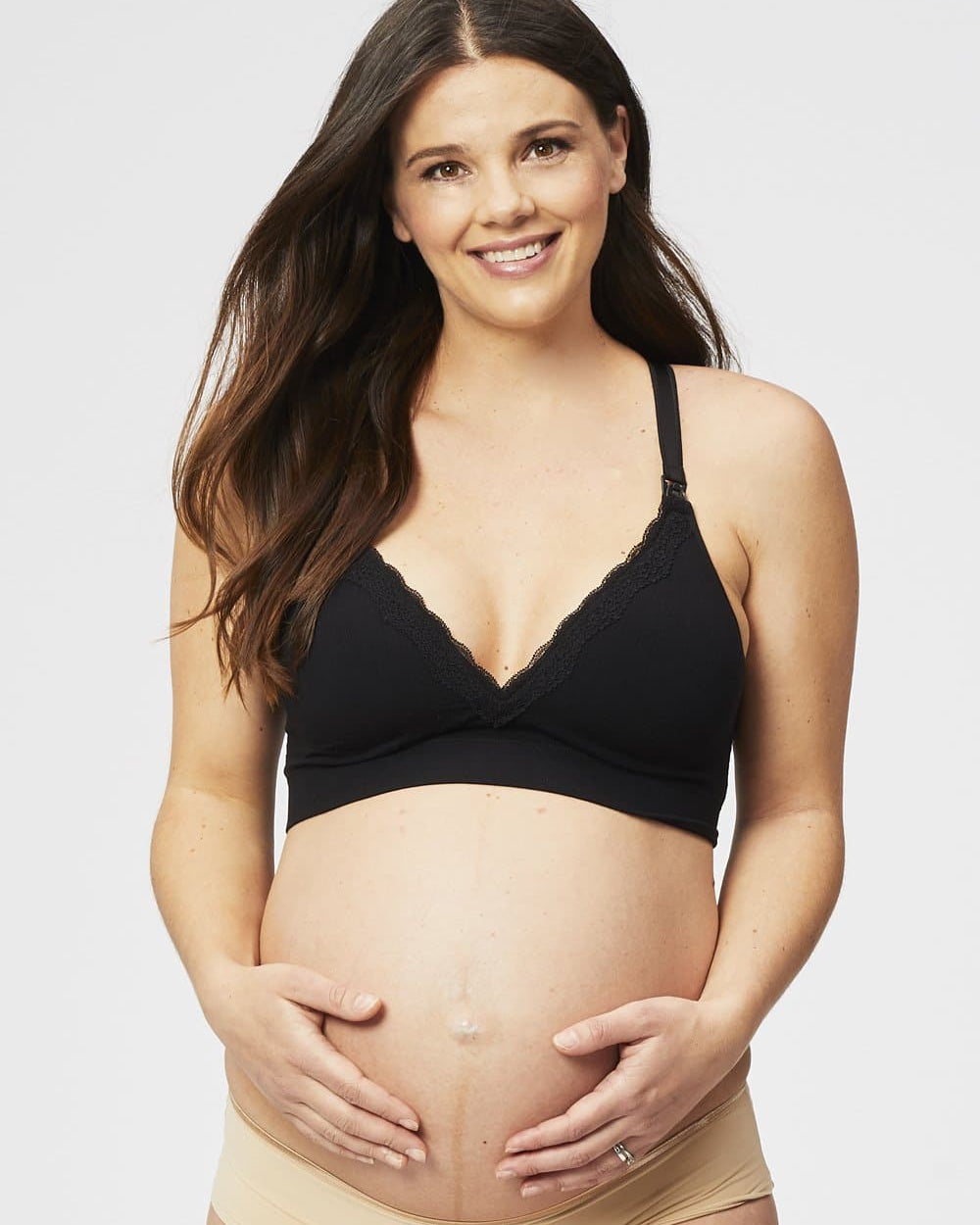
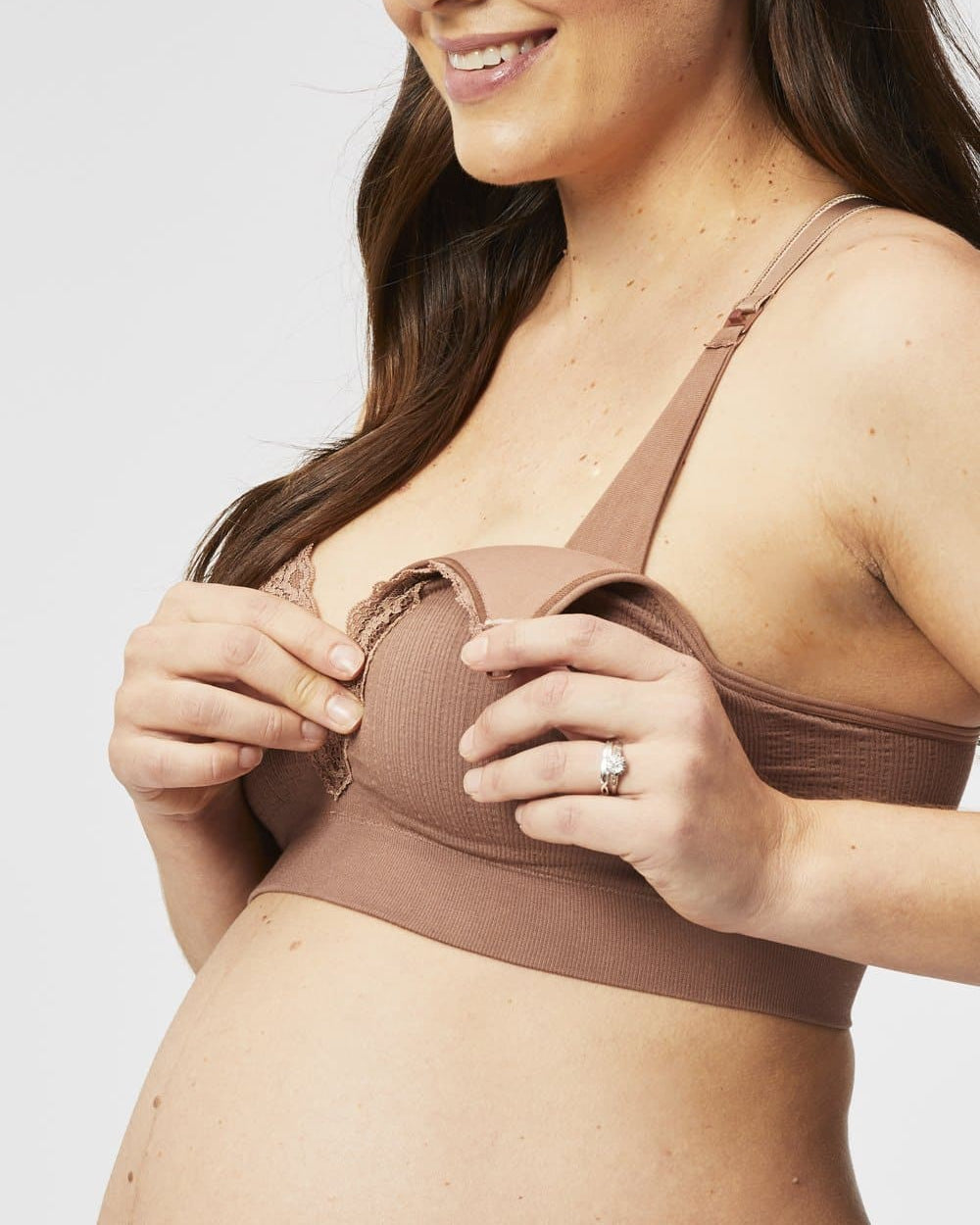
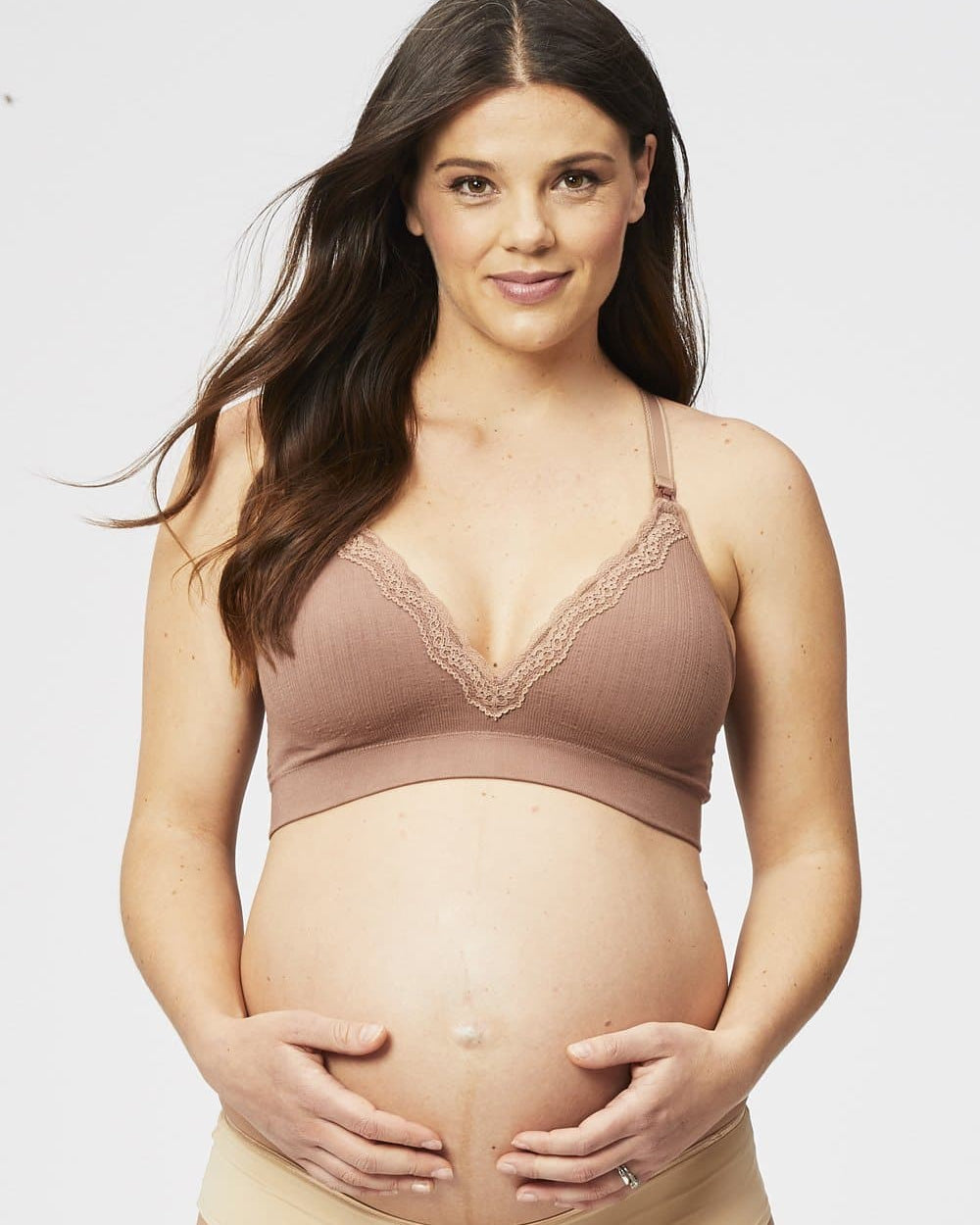
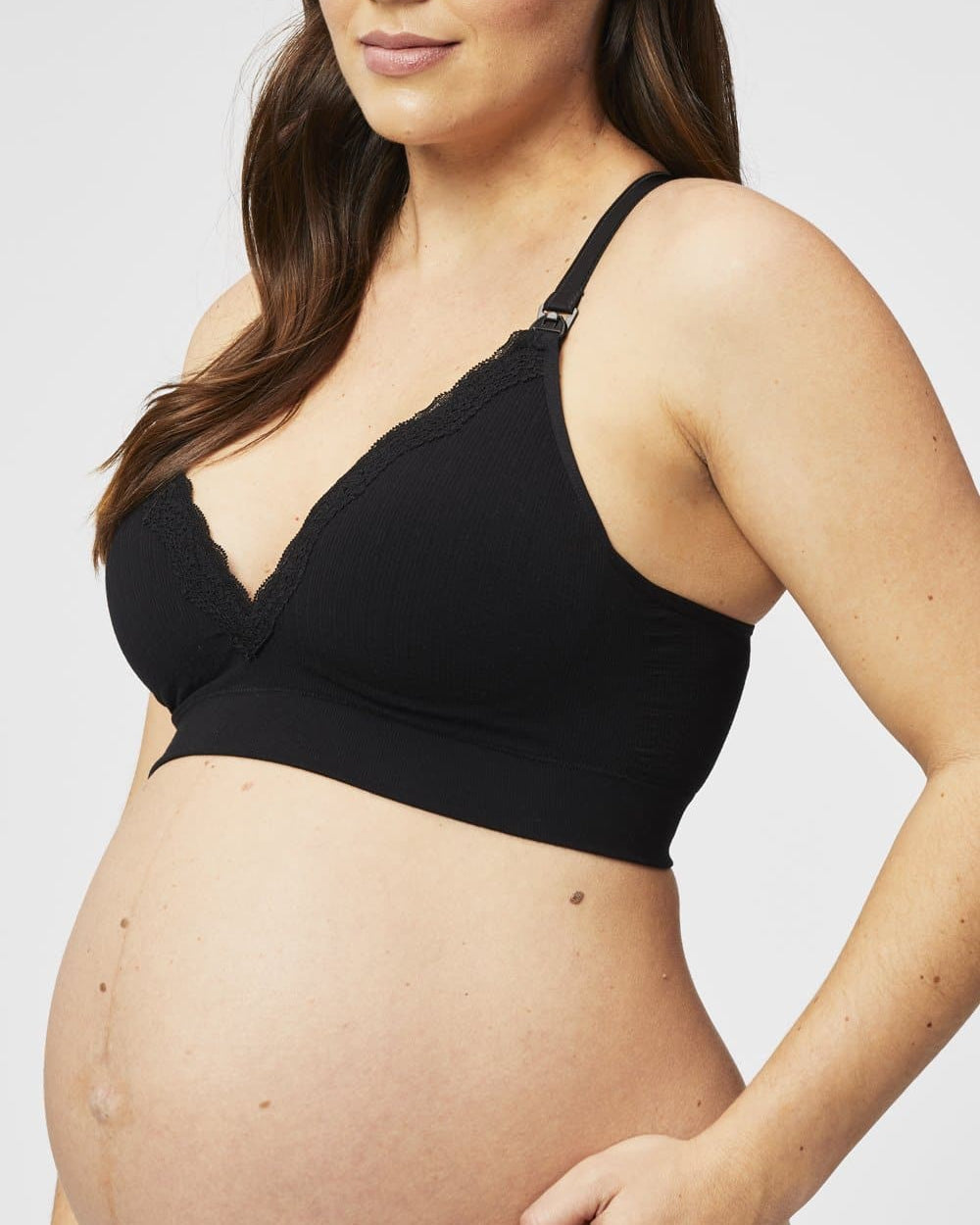
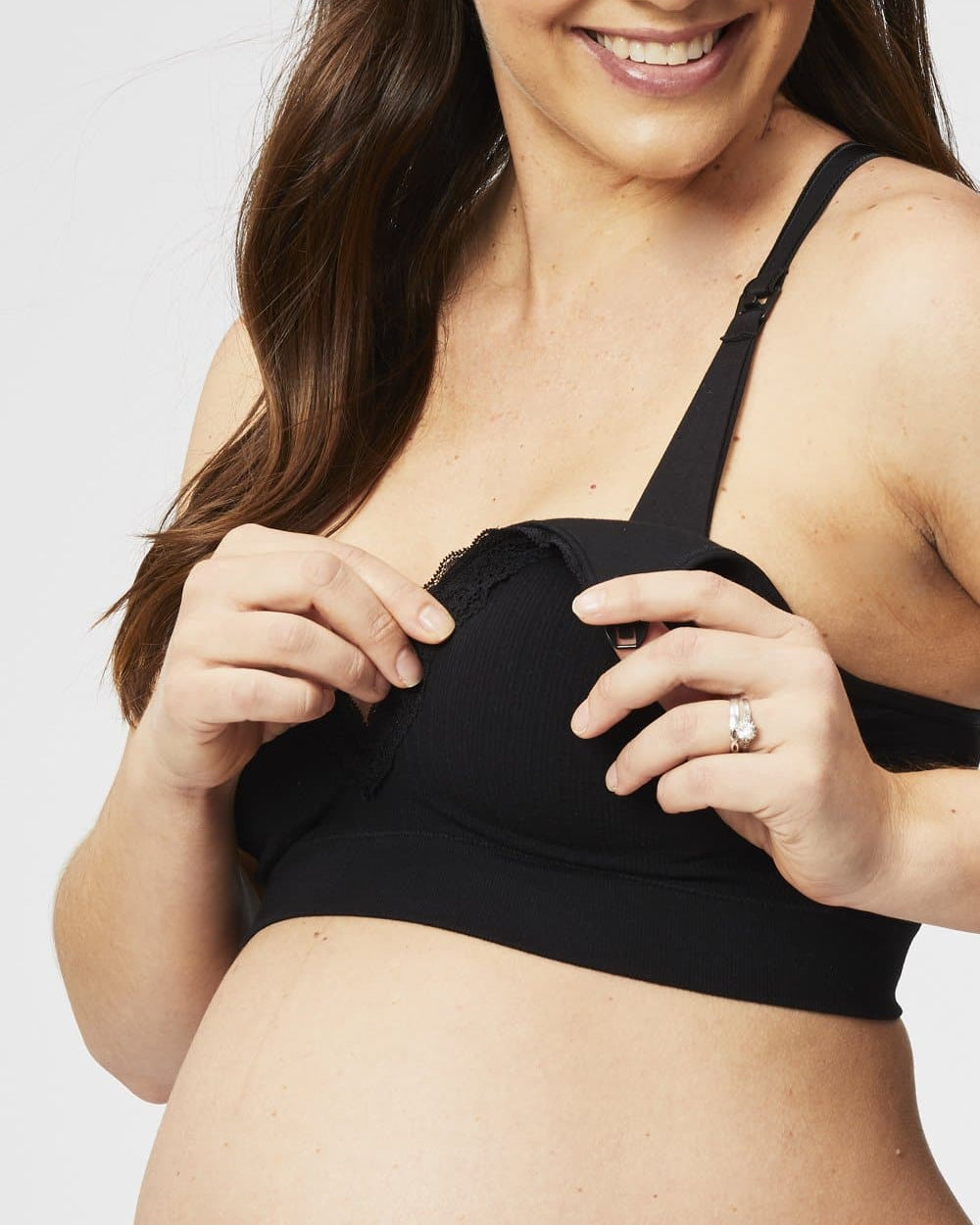
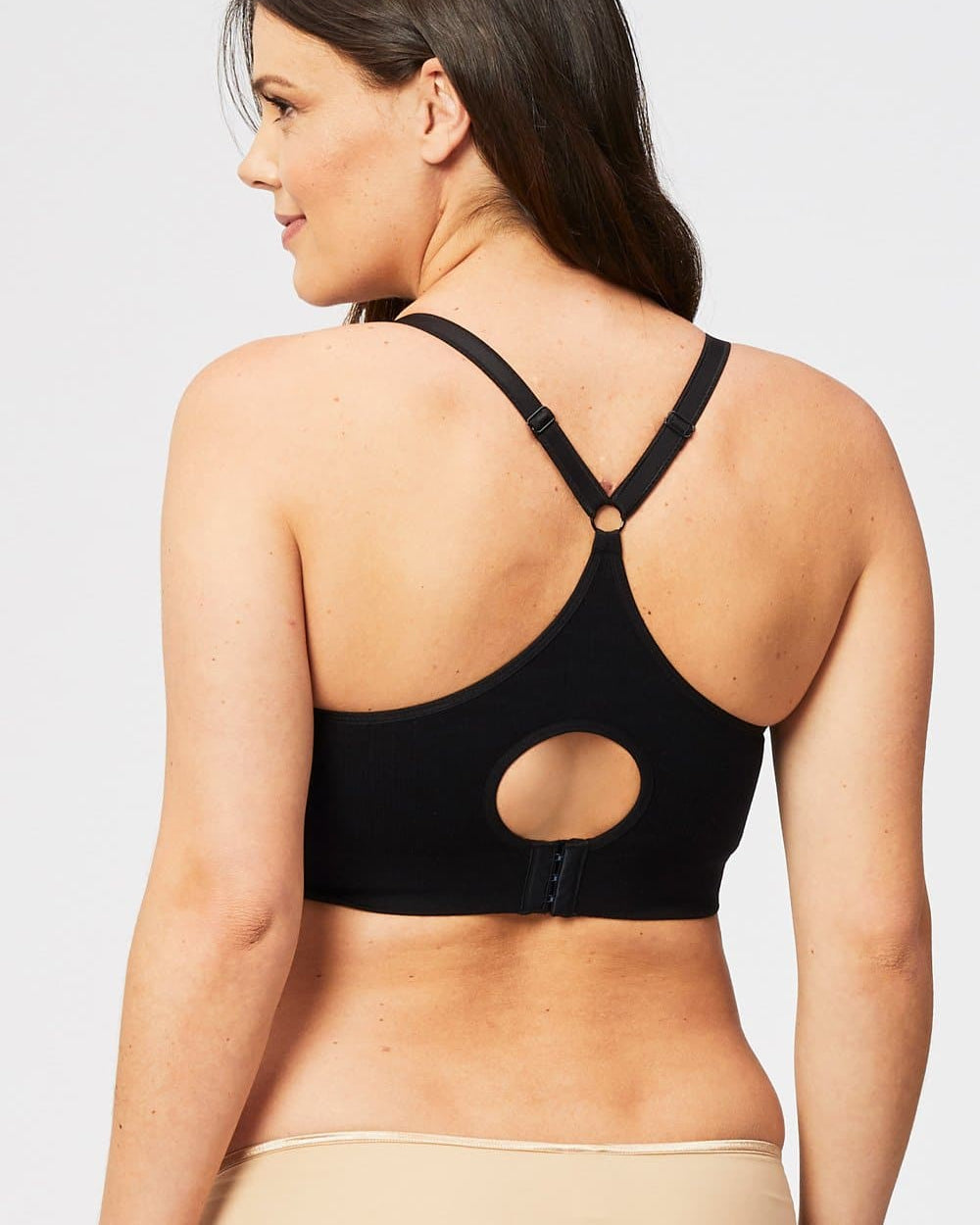
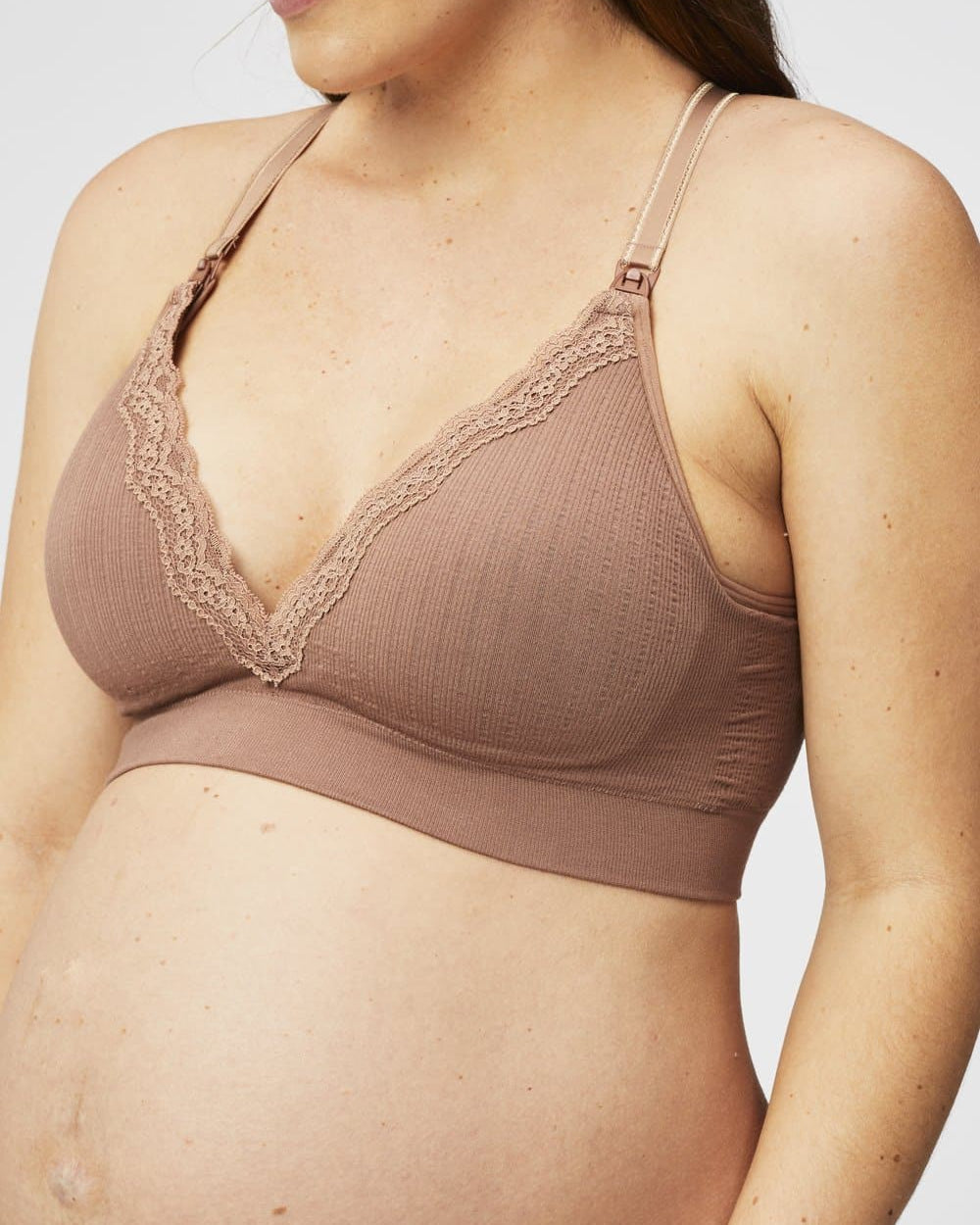
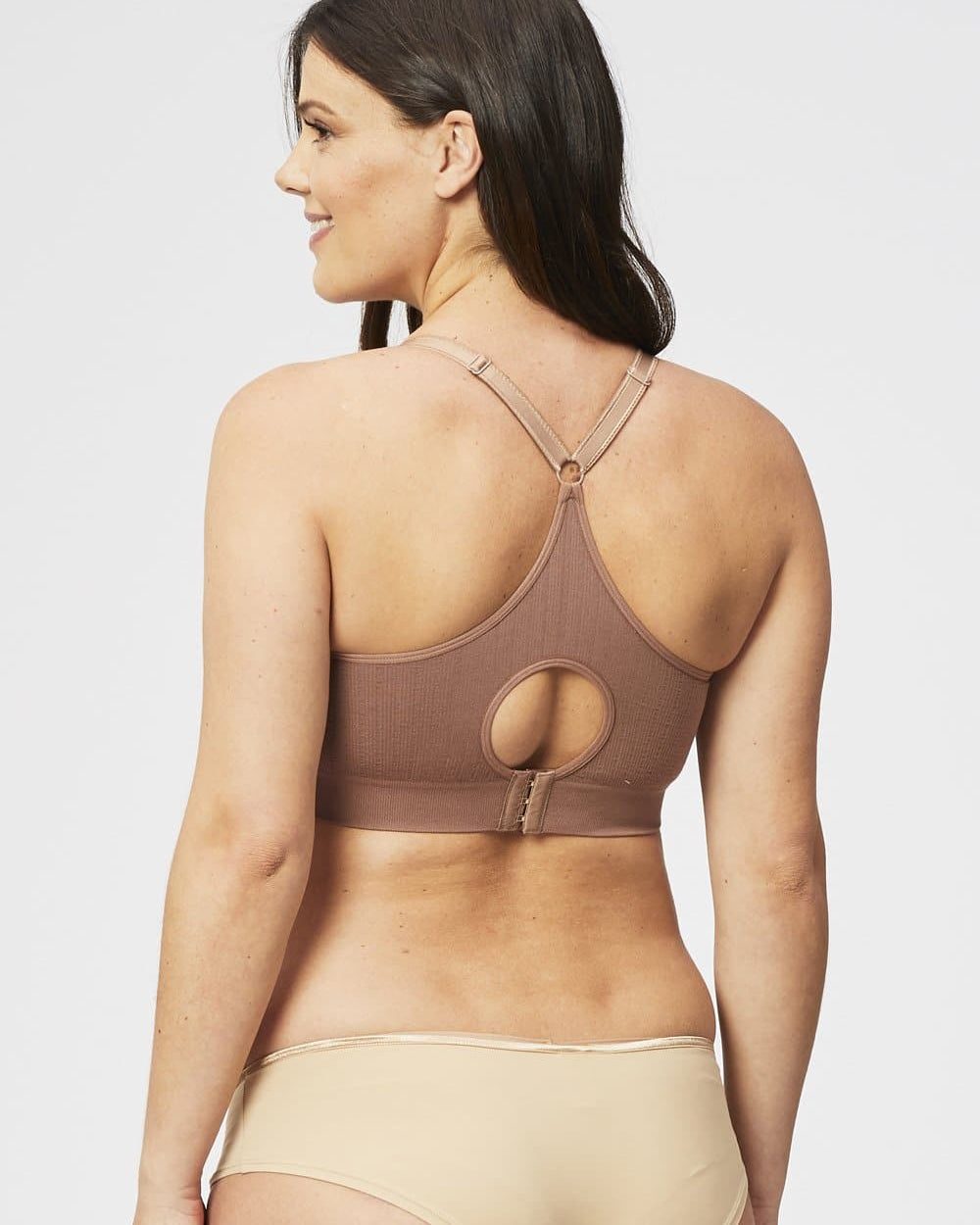
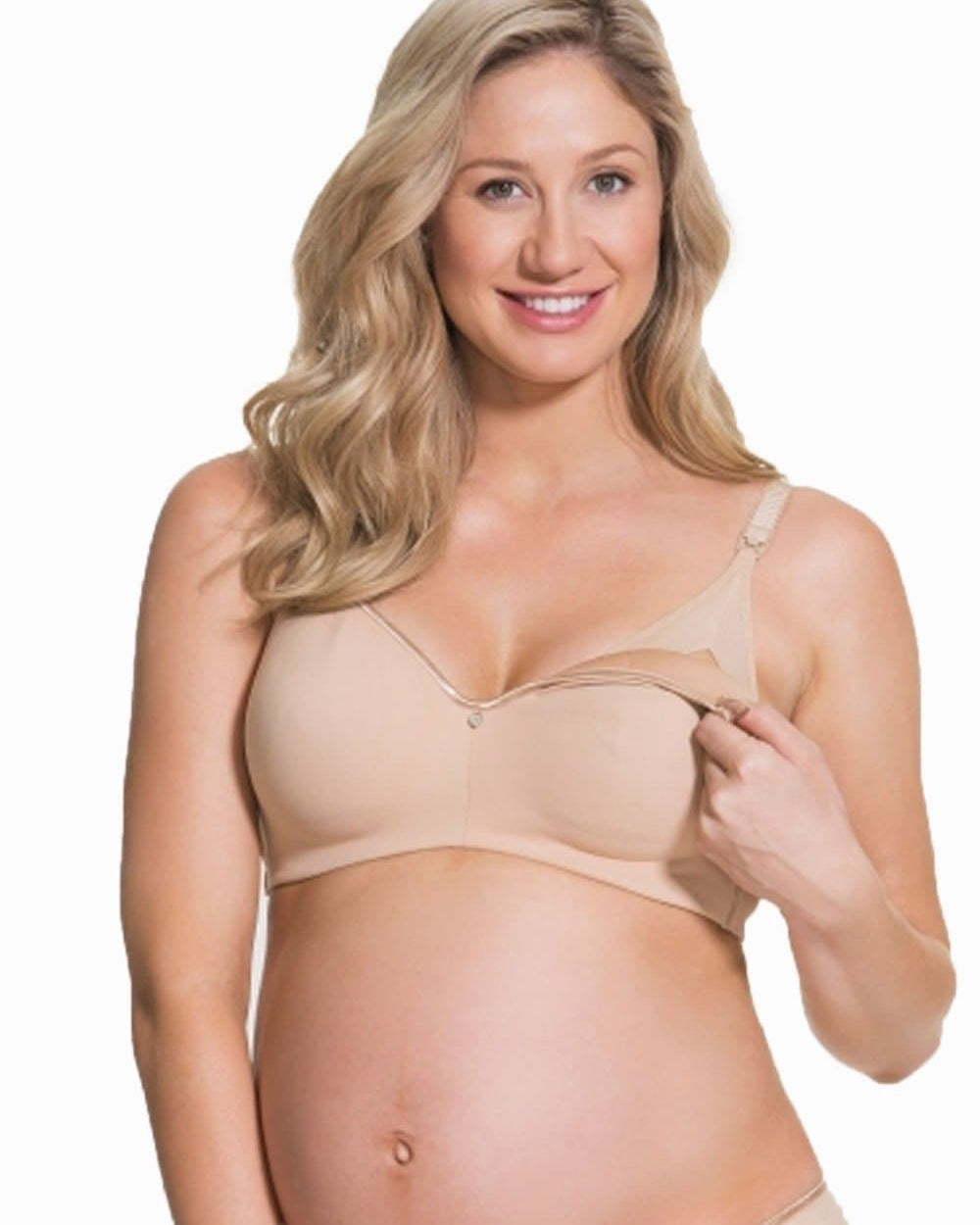
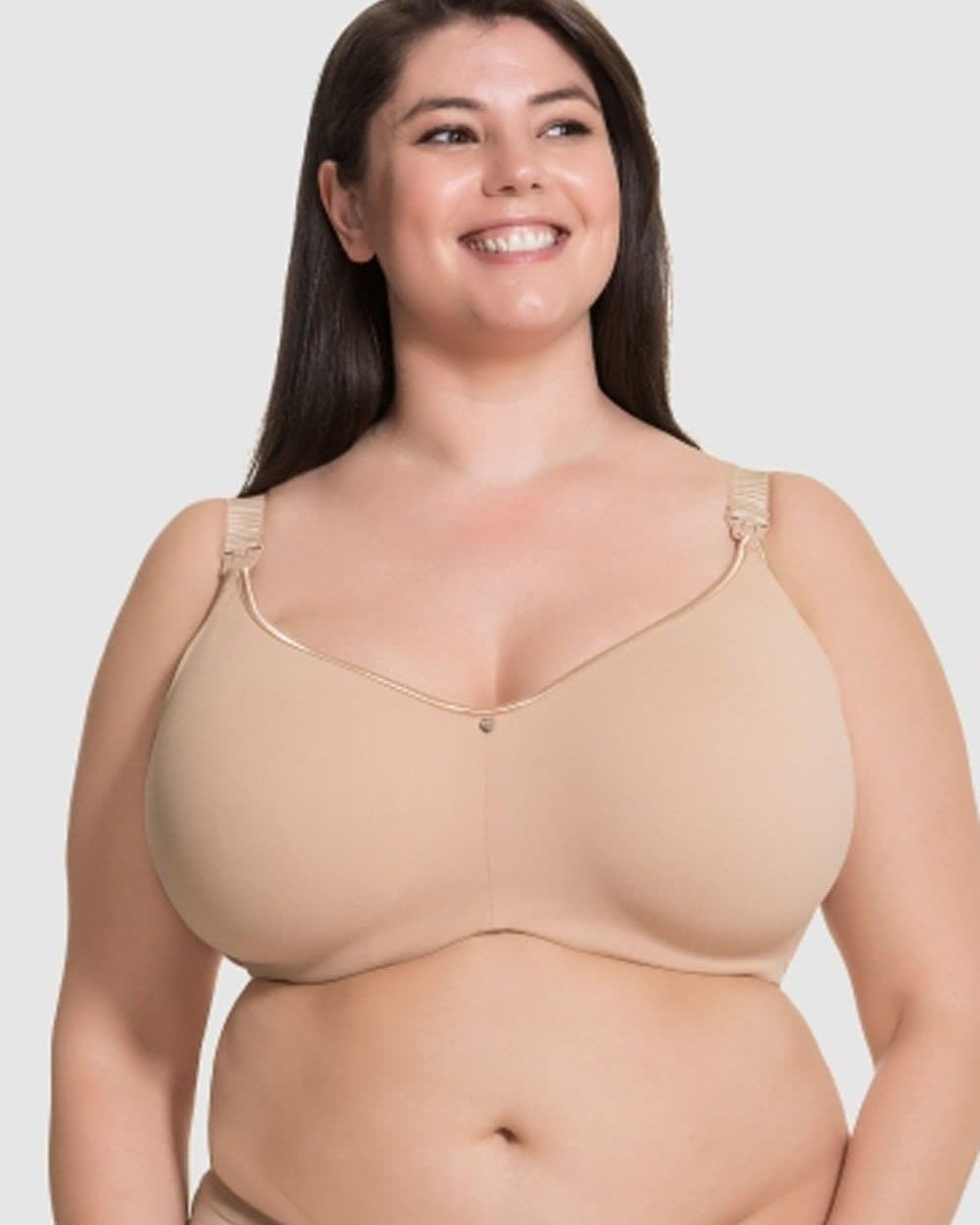
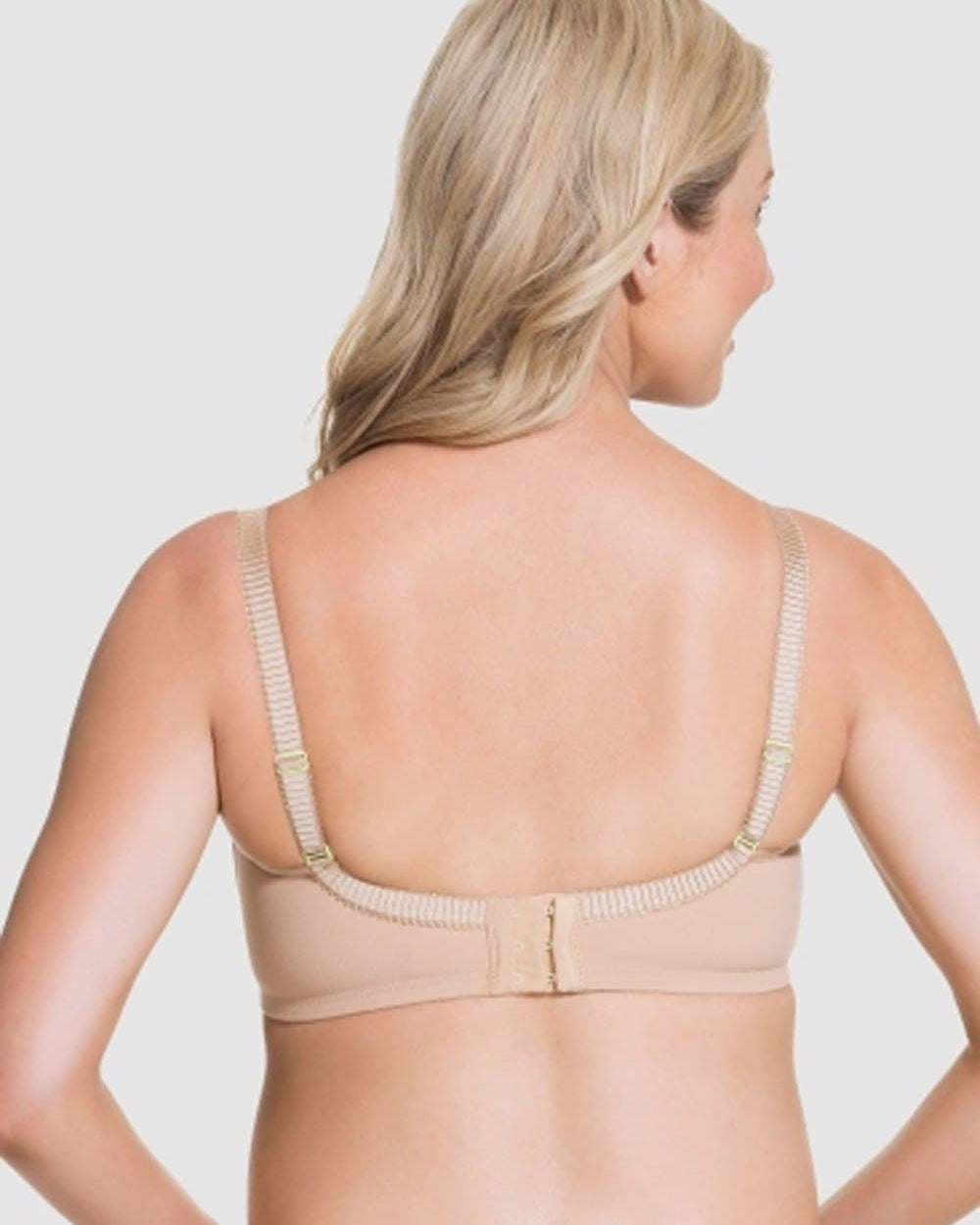
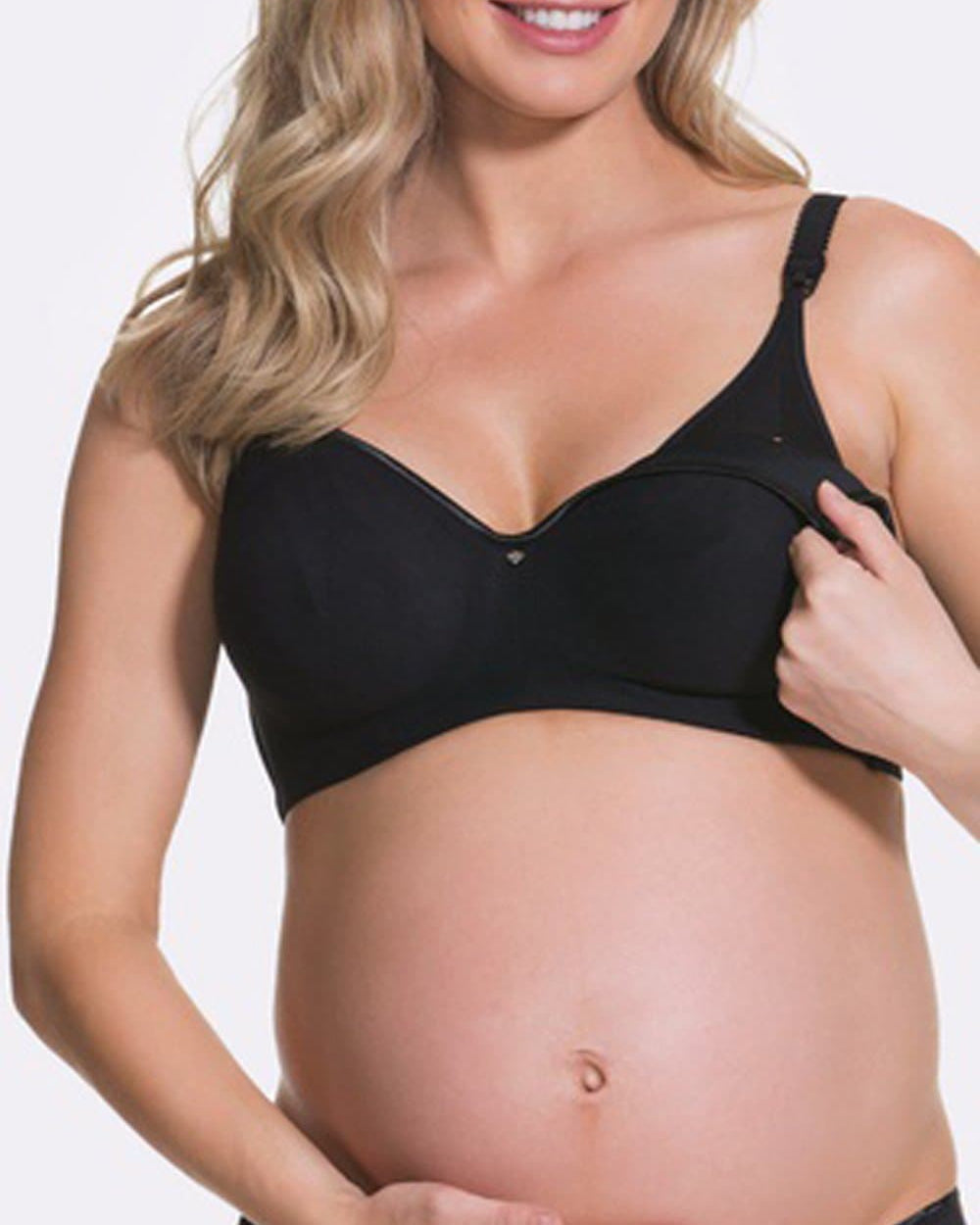
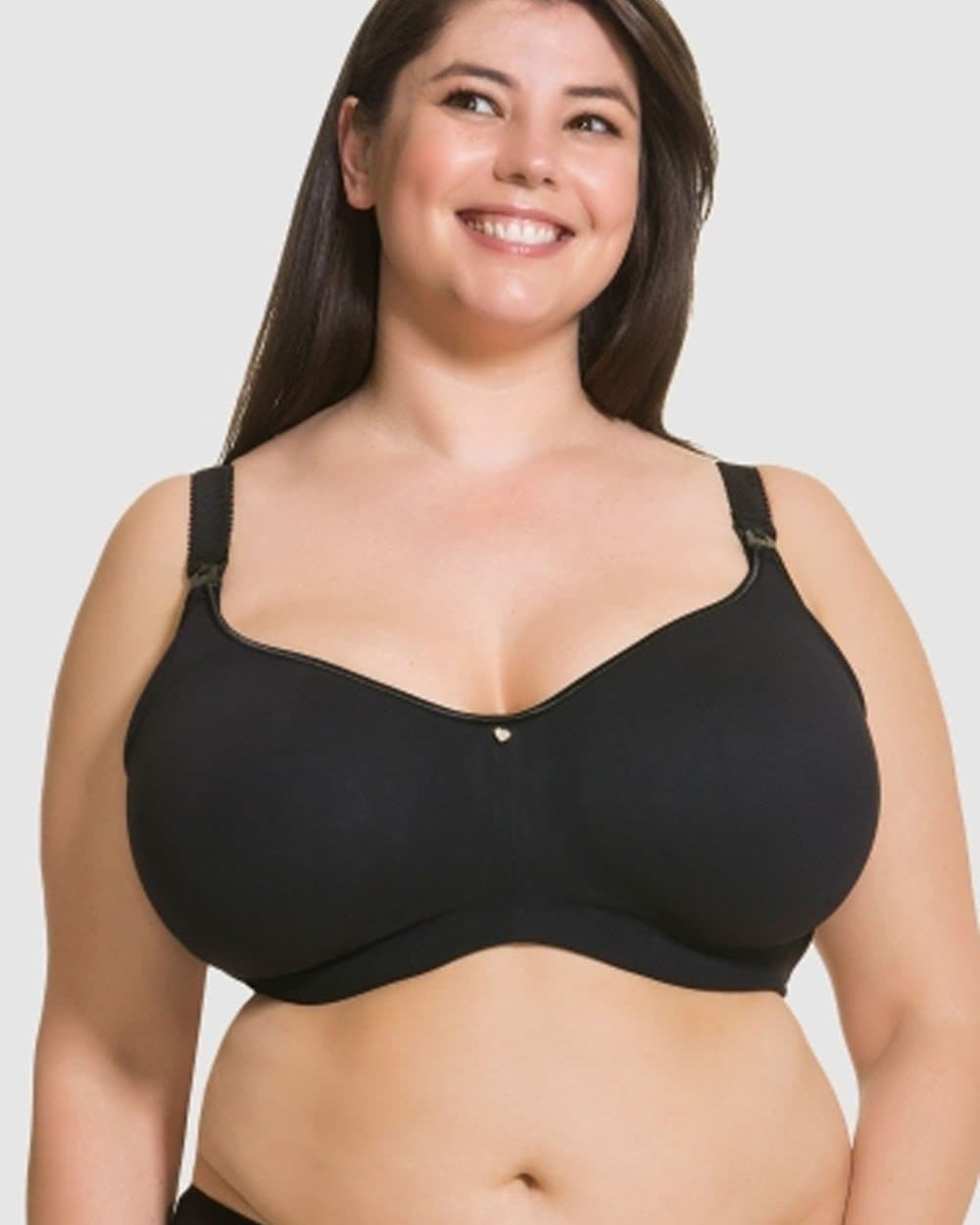
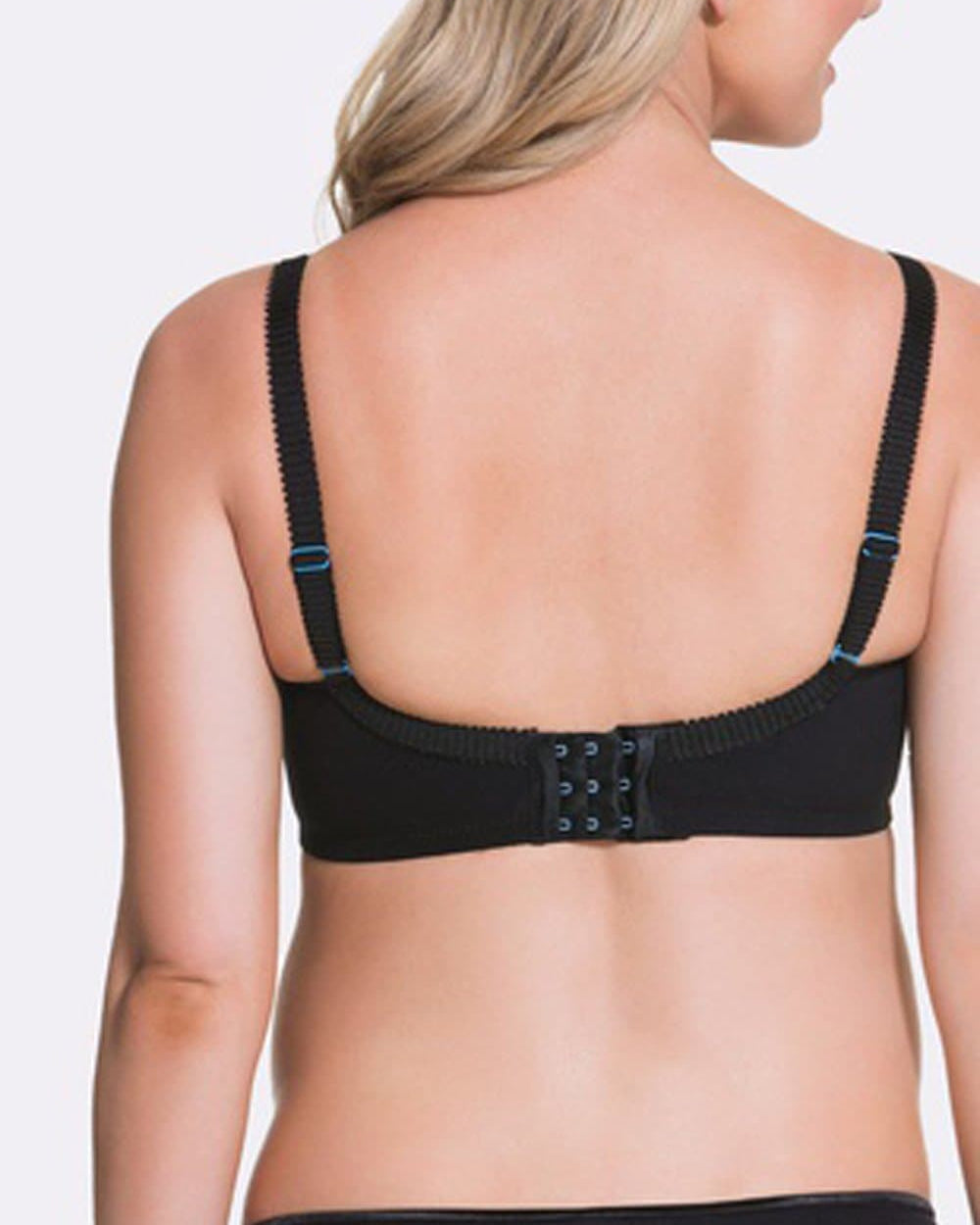
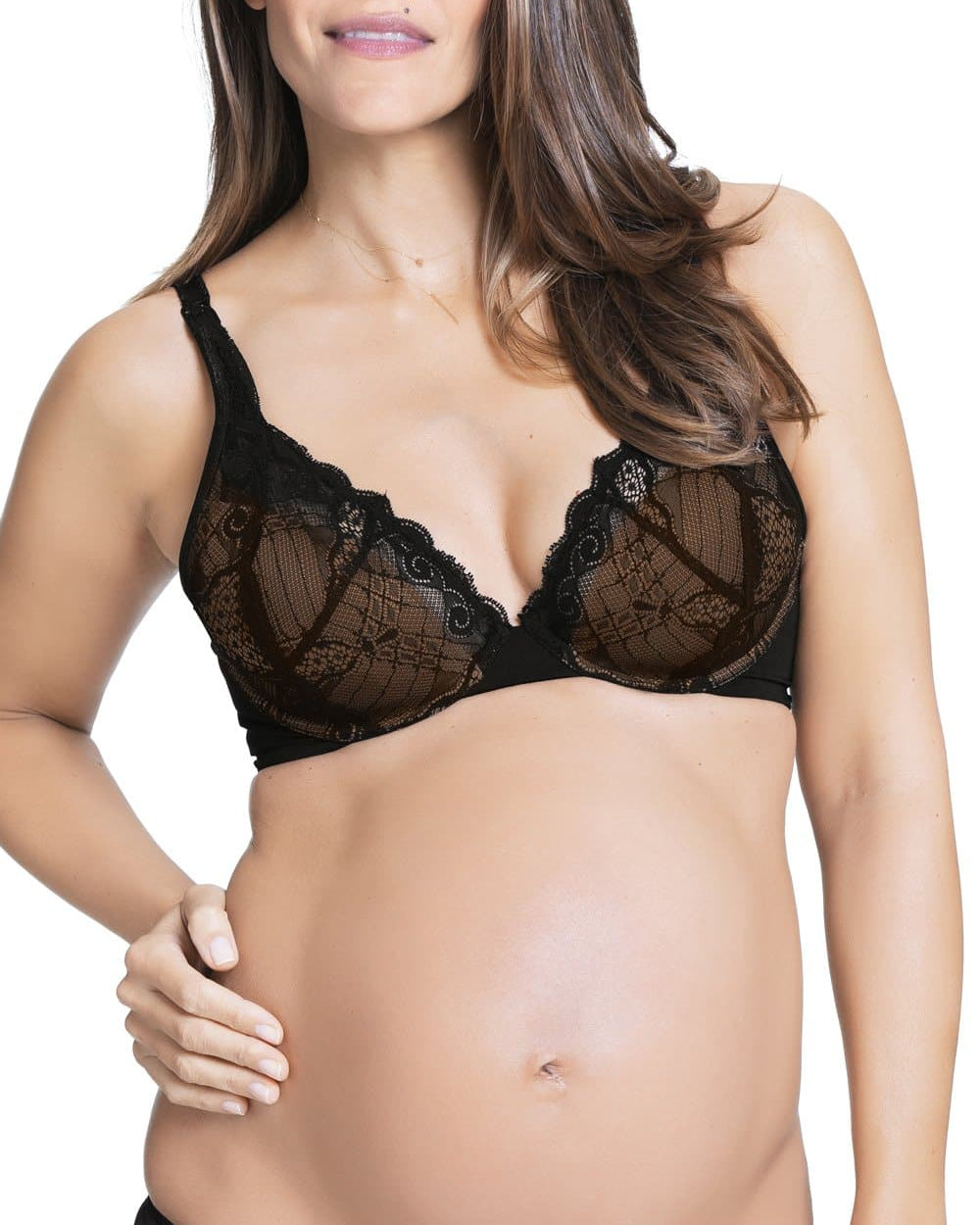
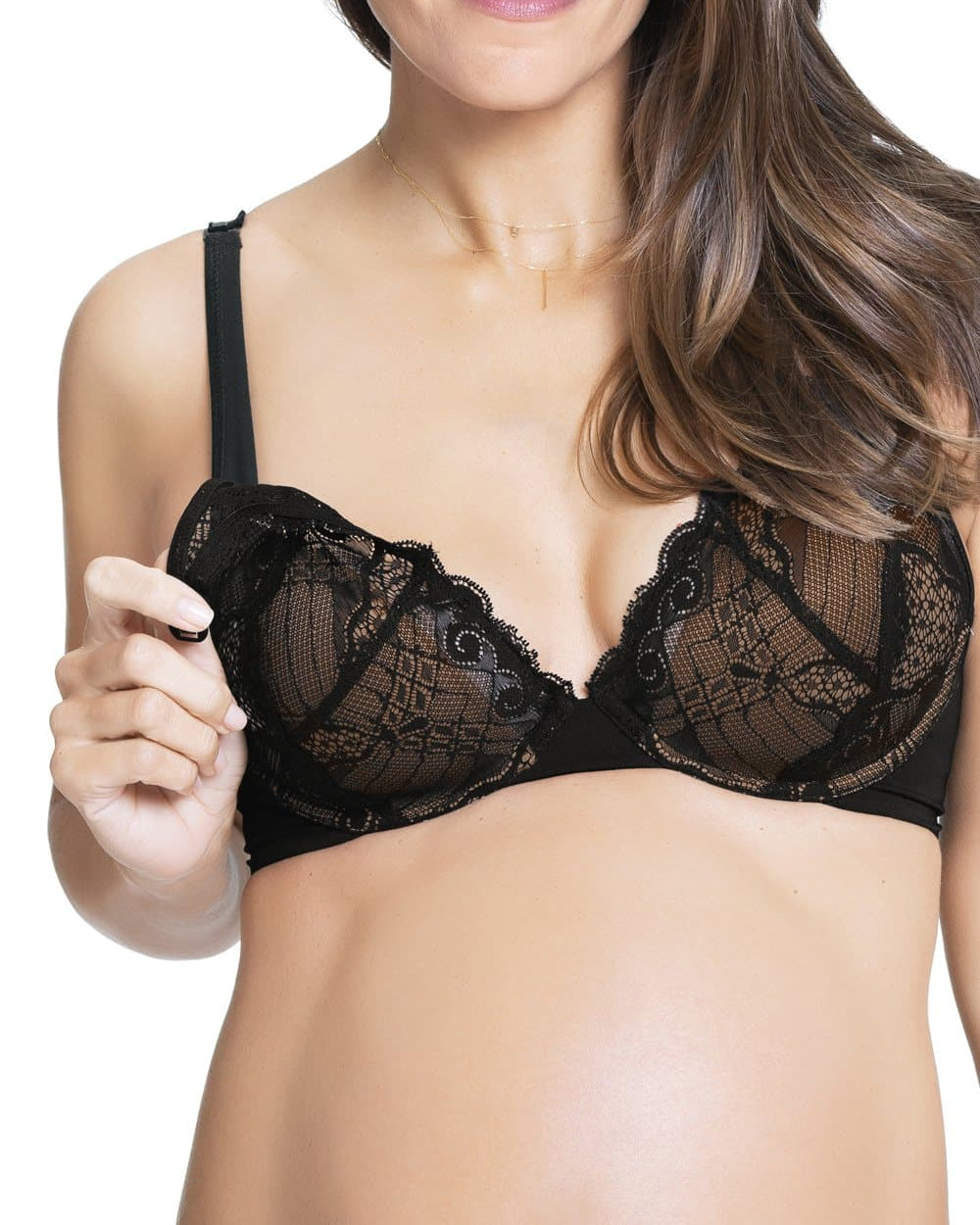
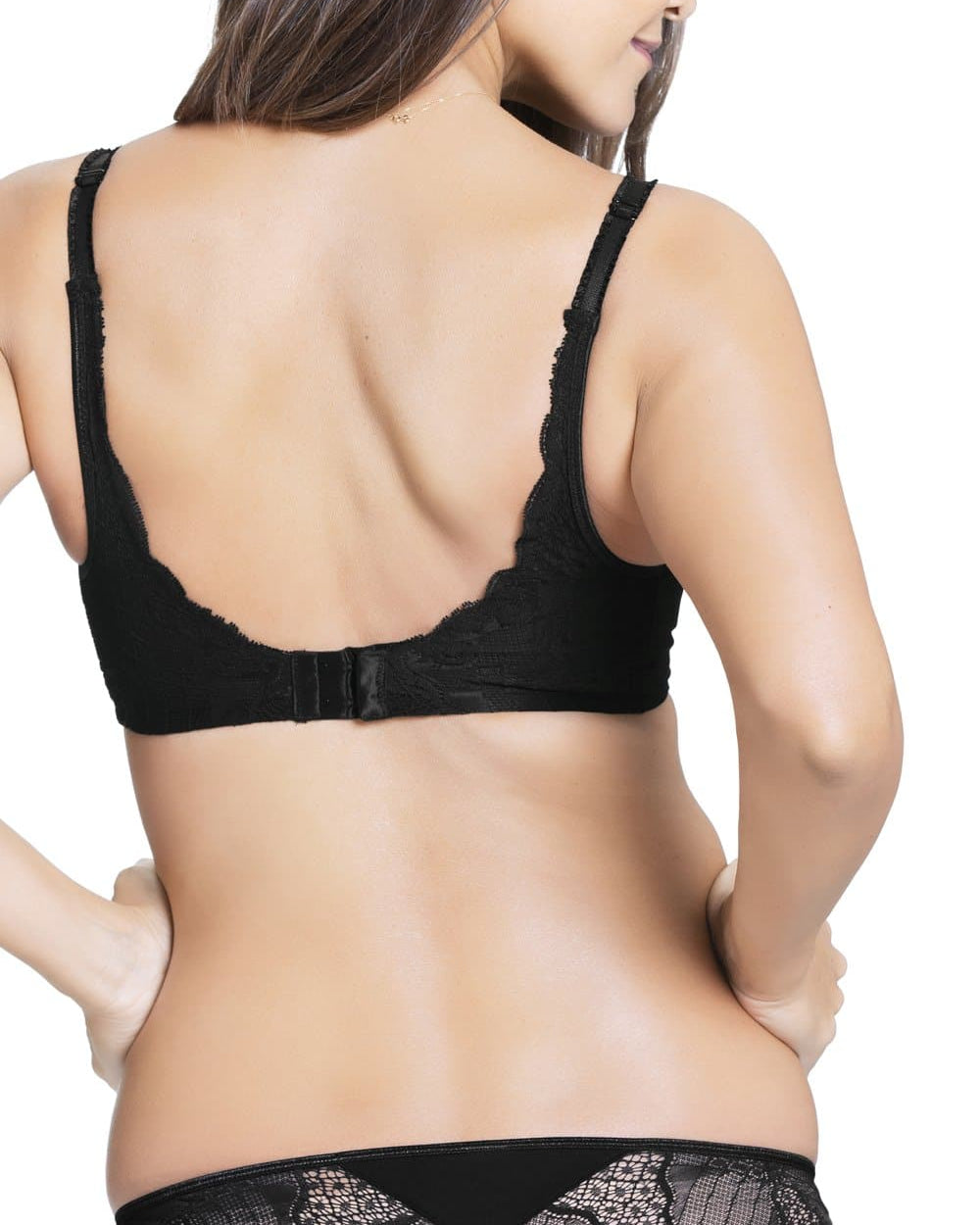
Nursing Bras That Move With Your Changing Body
Your bra size is not a fixed thing during pregnancy and breastfeeding. It shifts across trimesters, shifts again when your milk comes in, and can change across a single day depending on when you last fed. A nursing bra has to cope with all of that, which is a lot to ask of one garment.
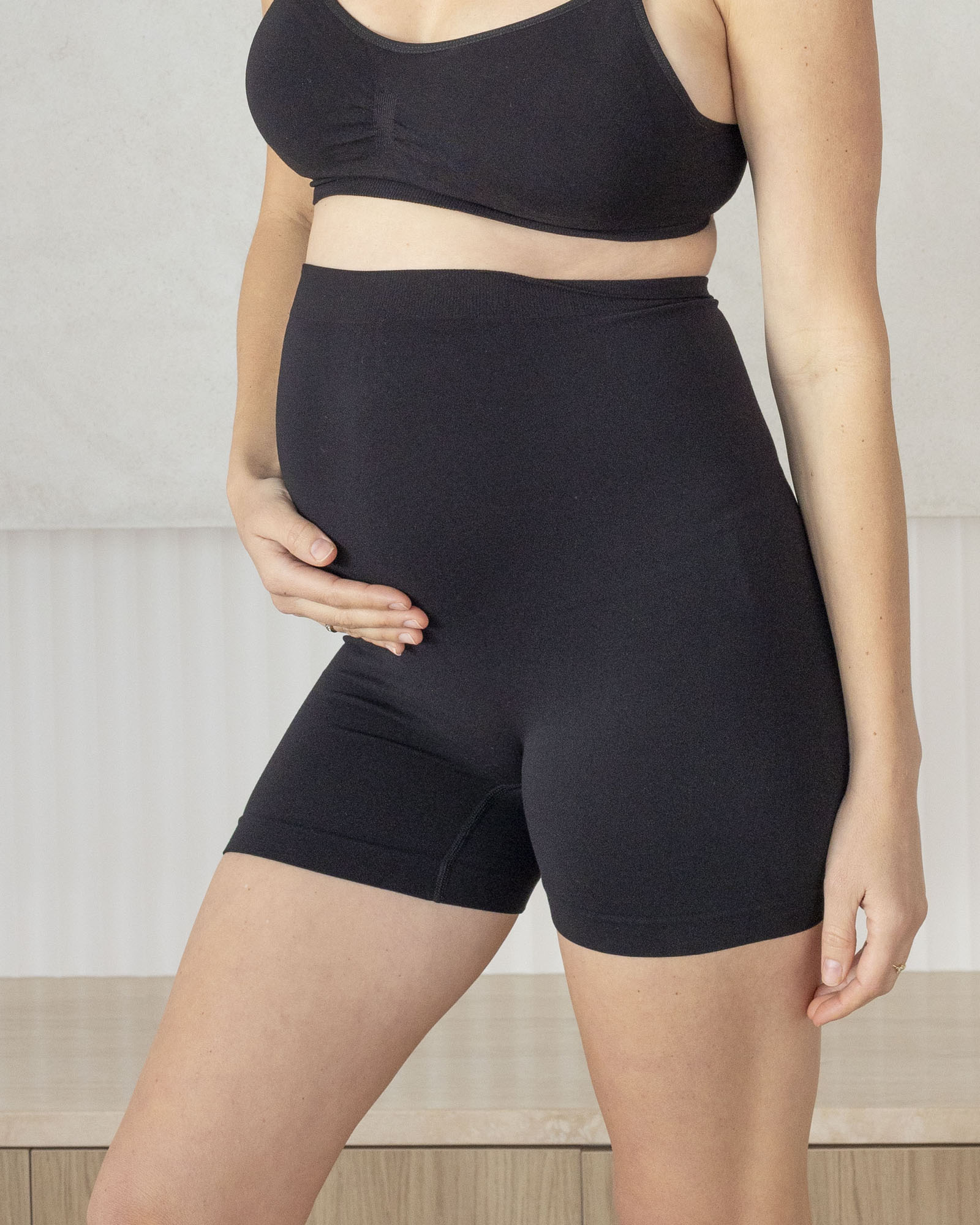
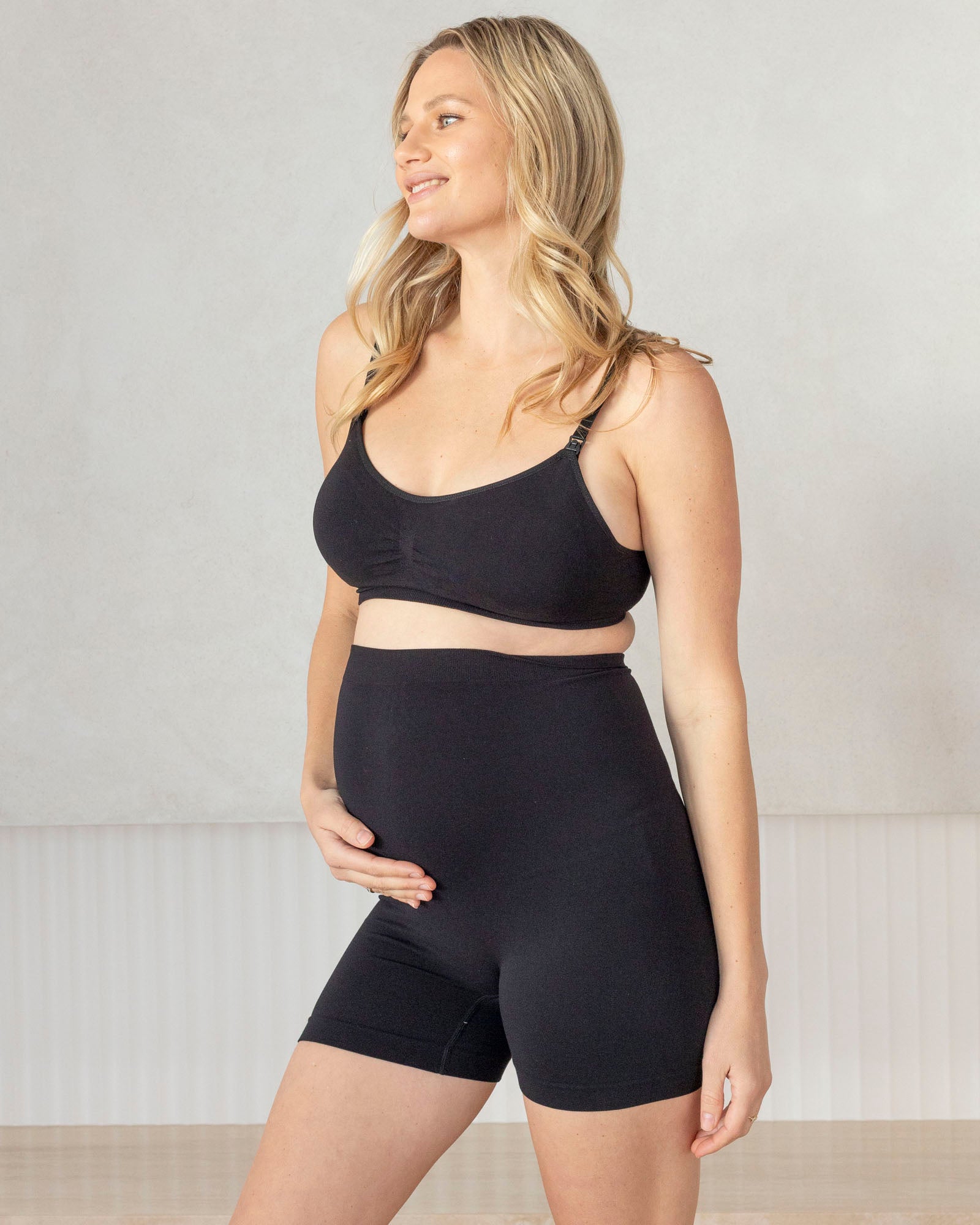
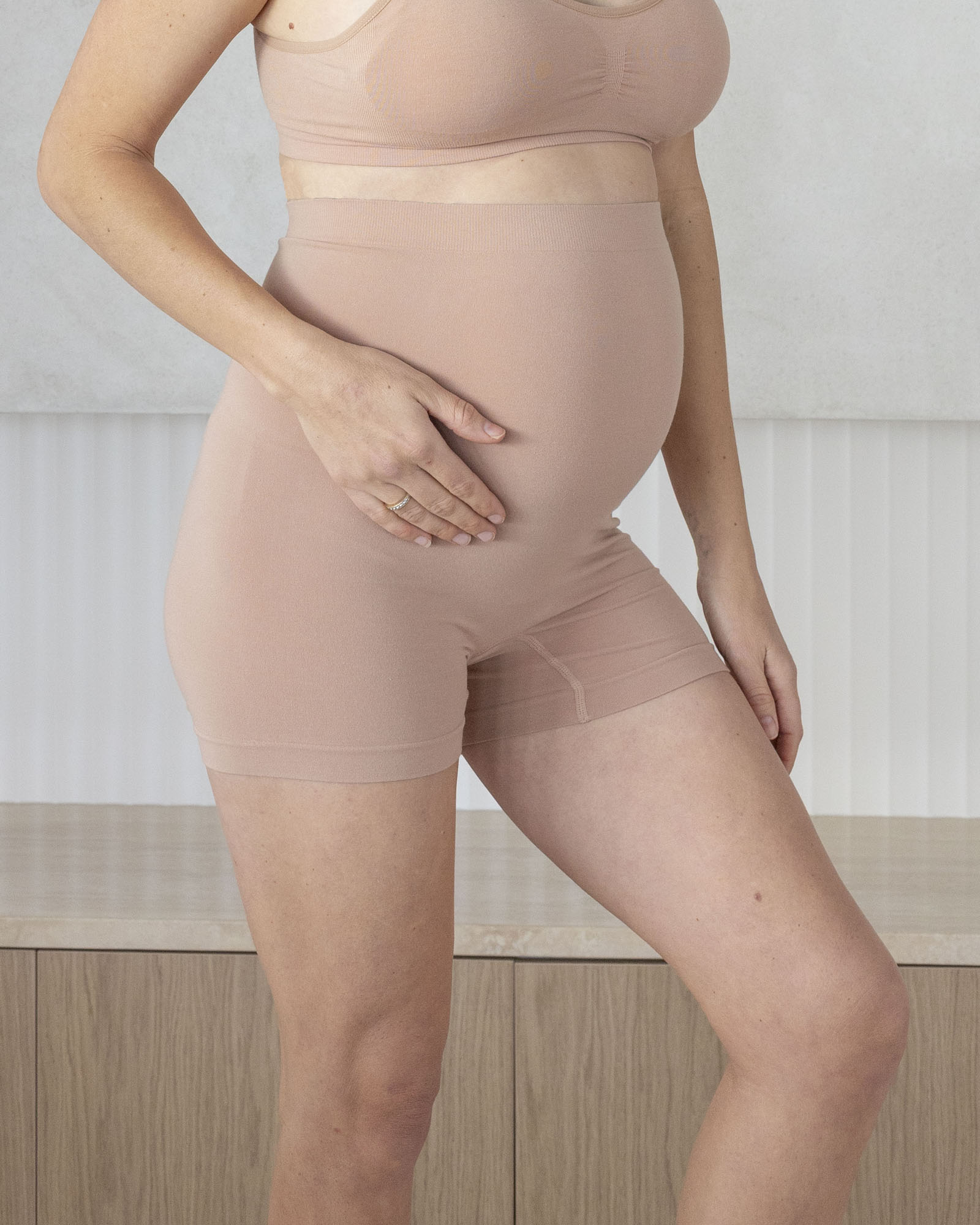
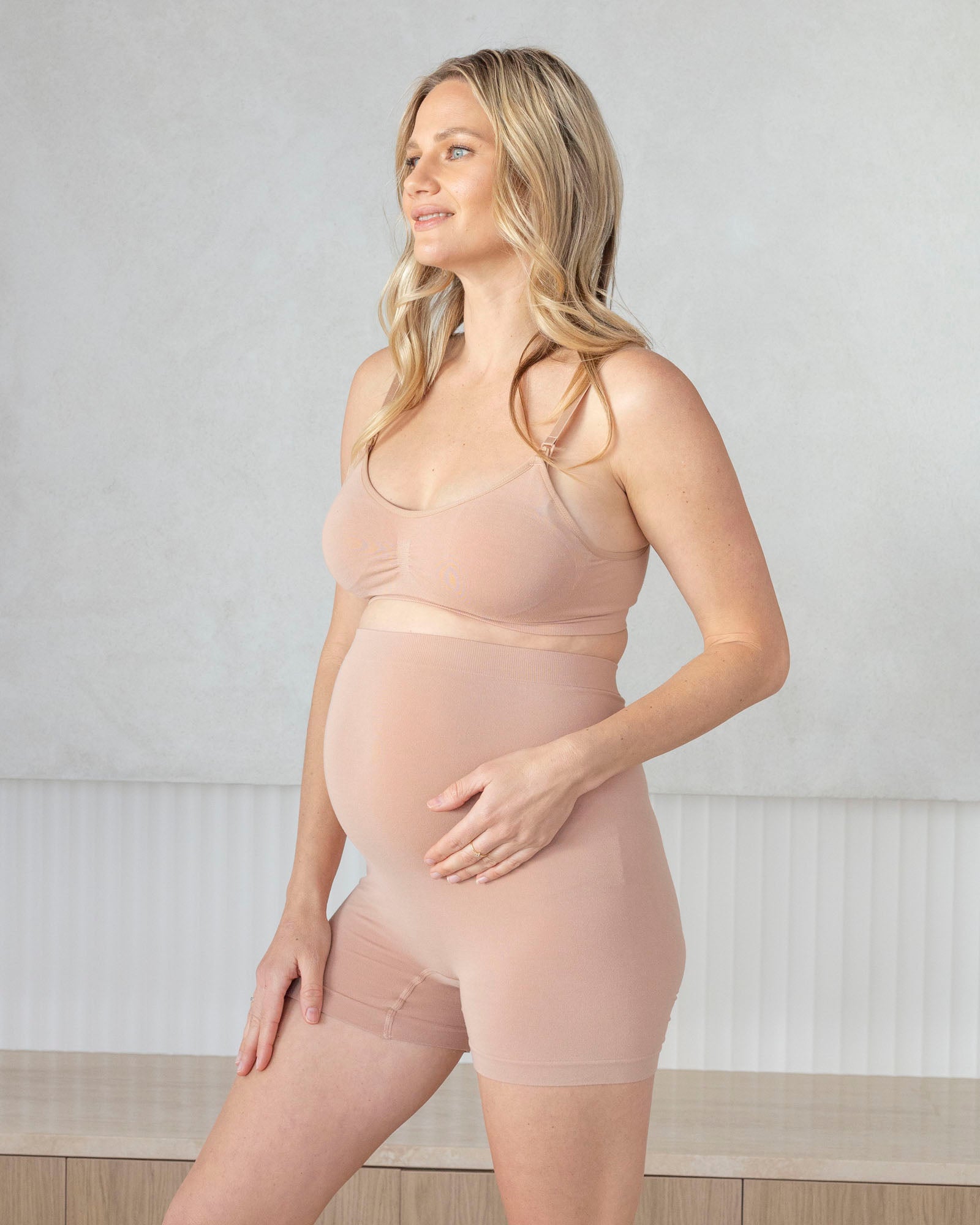
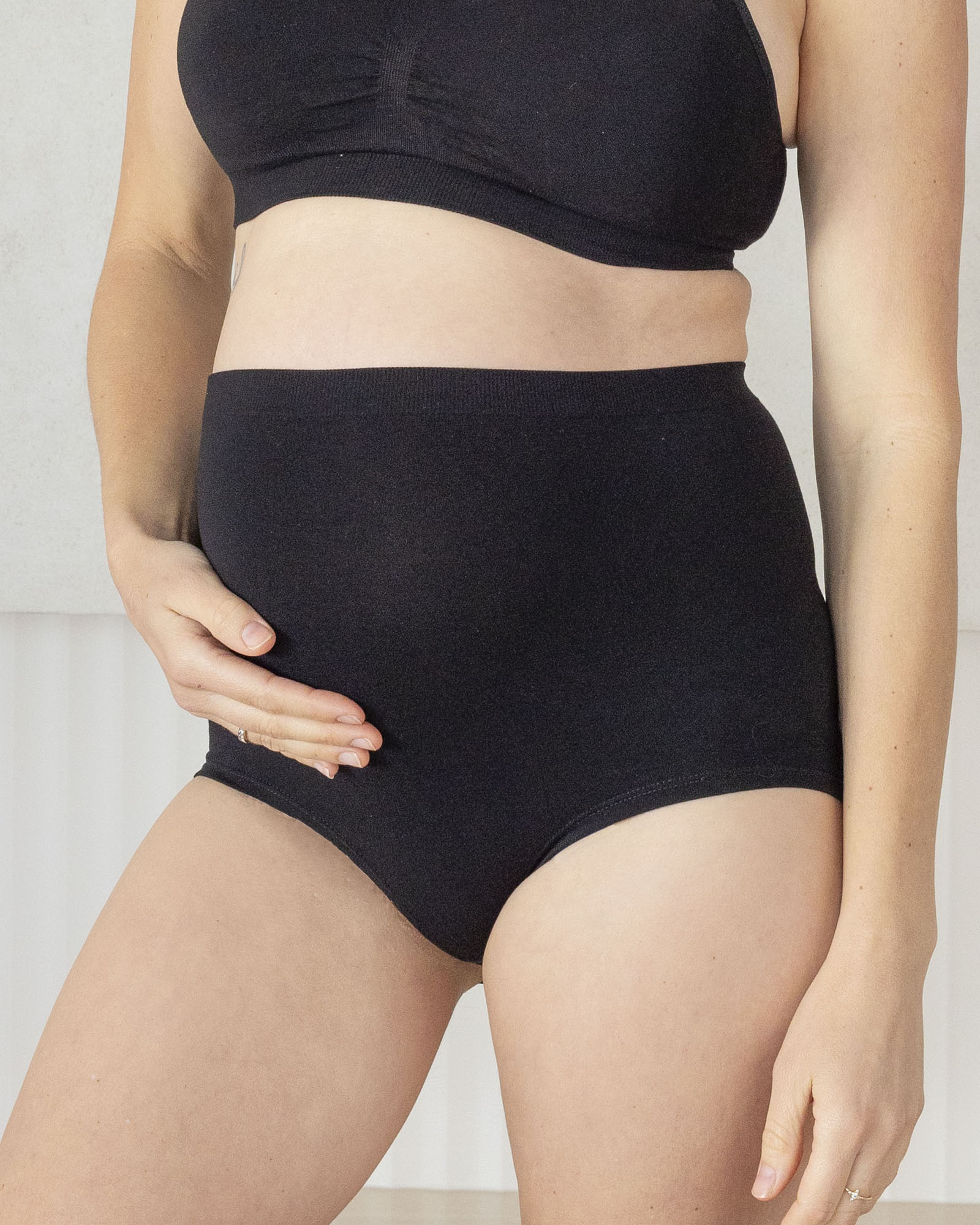
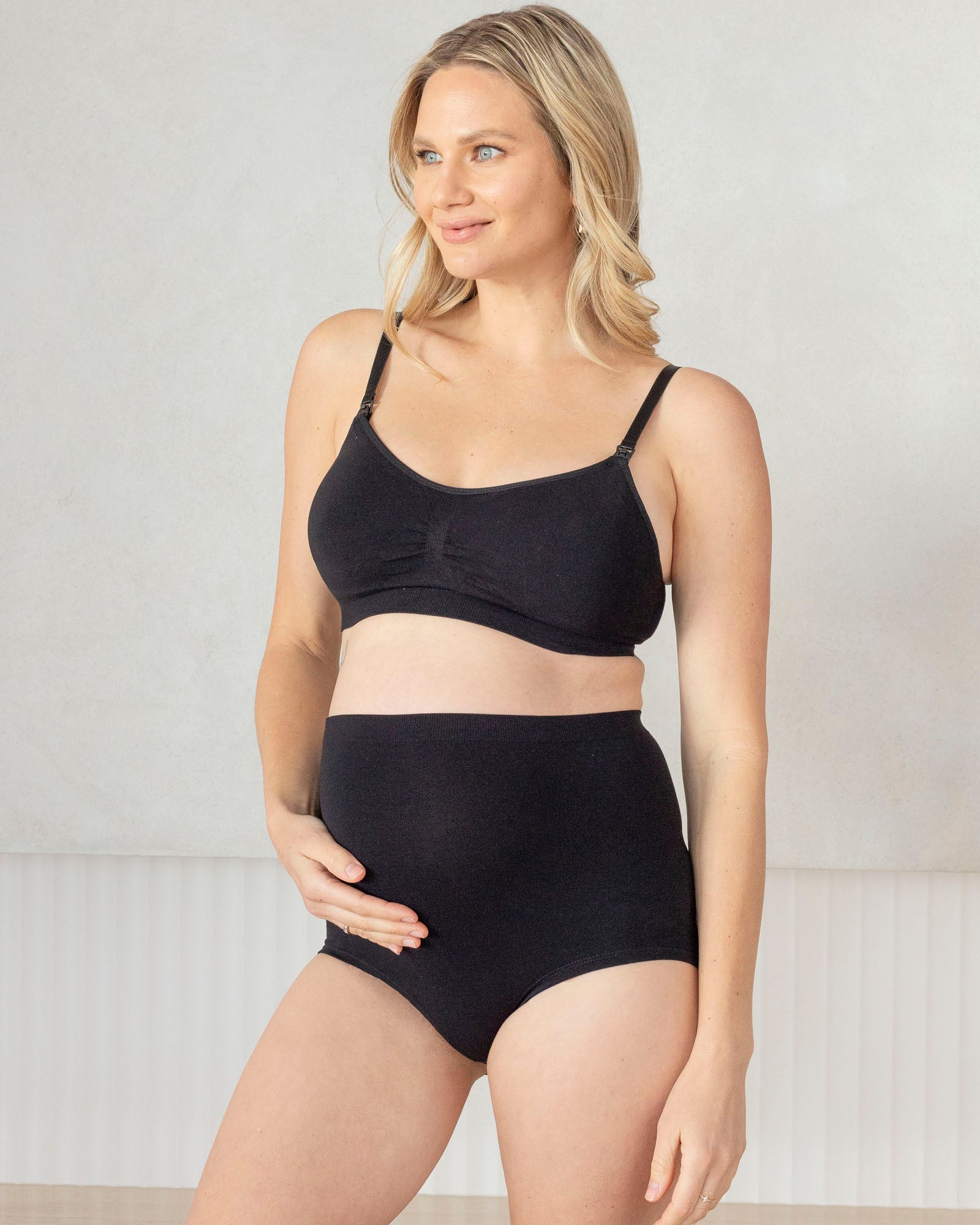
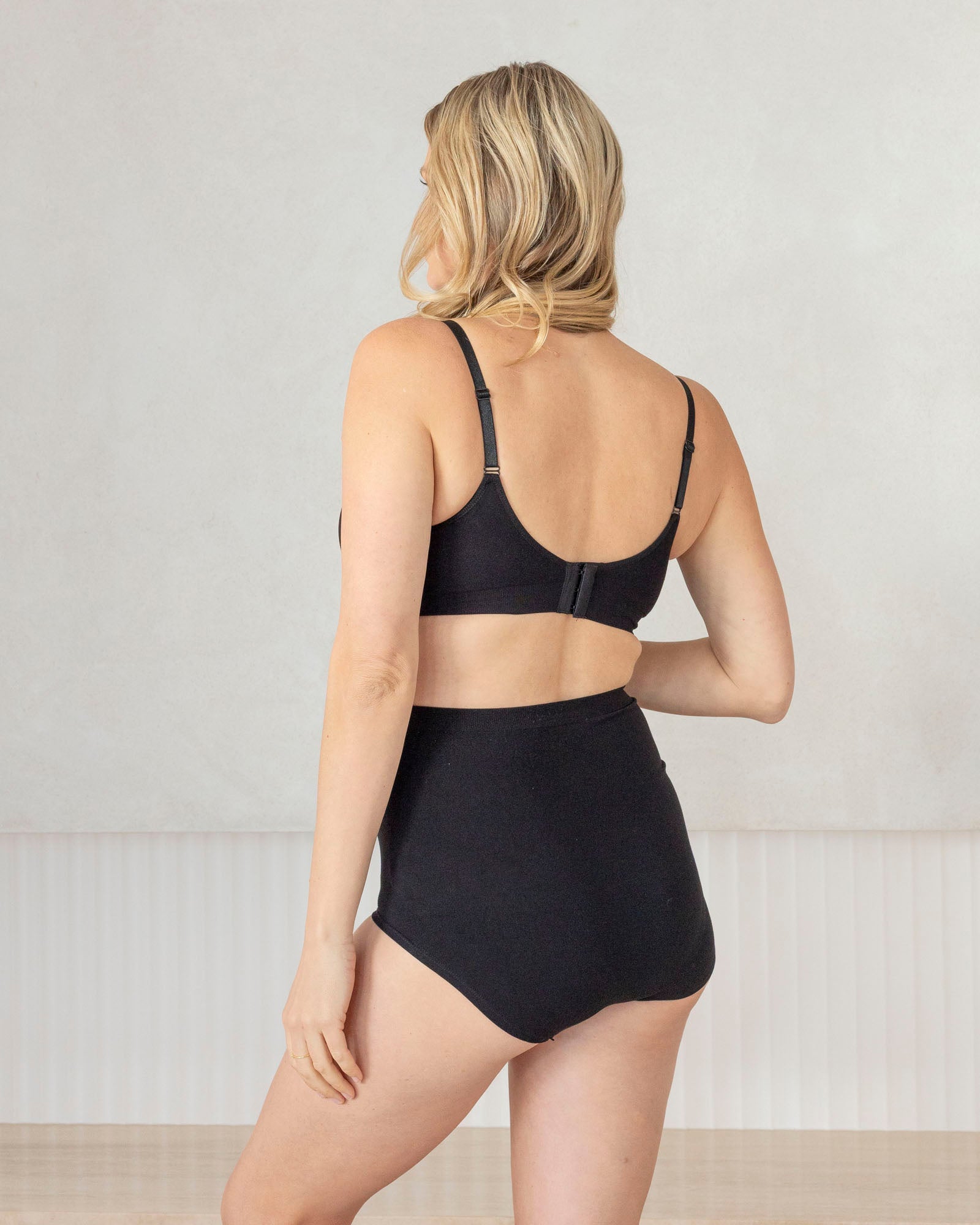
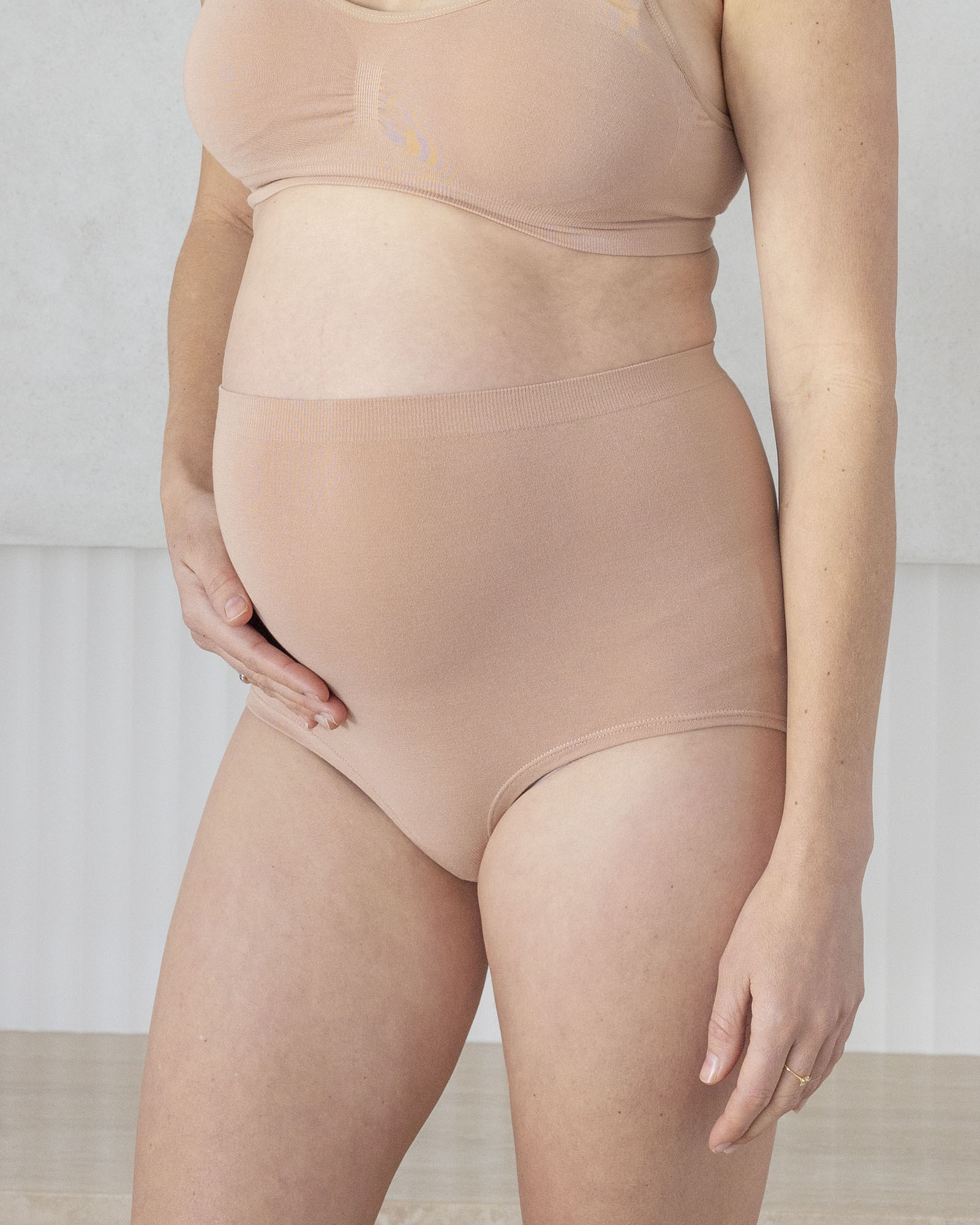
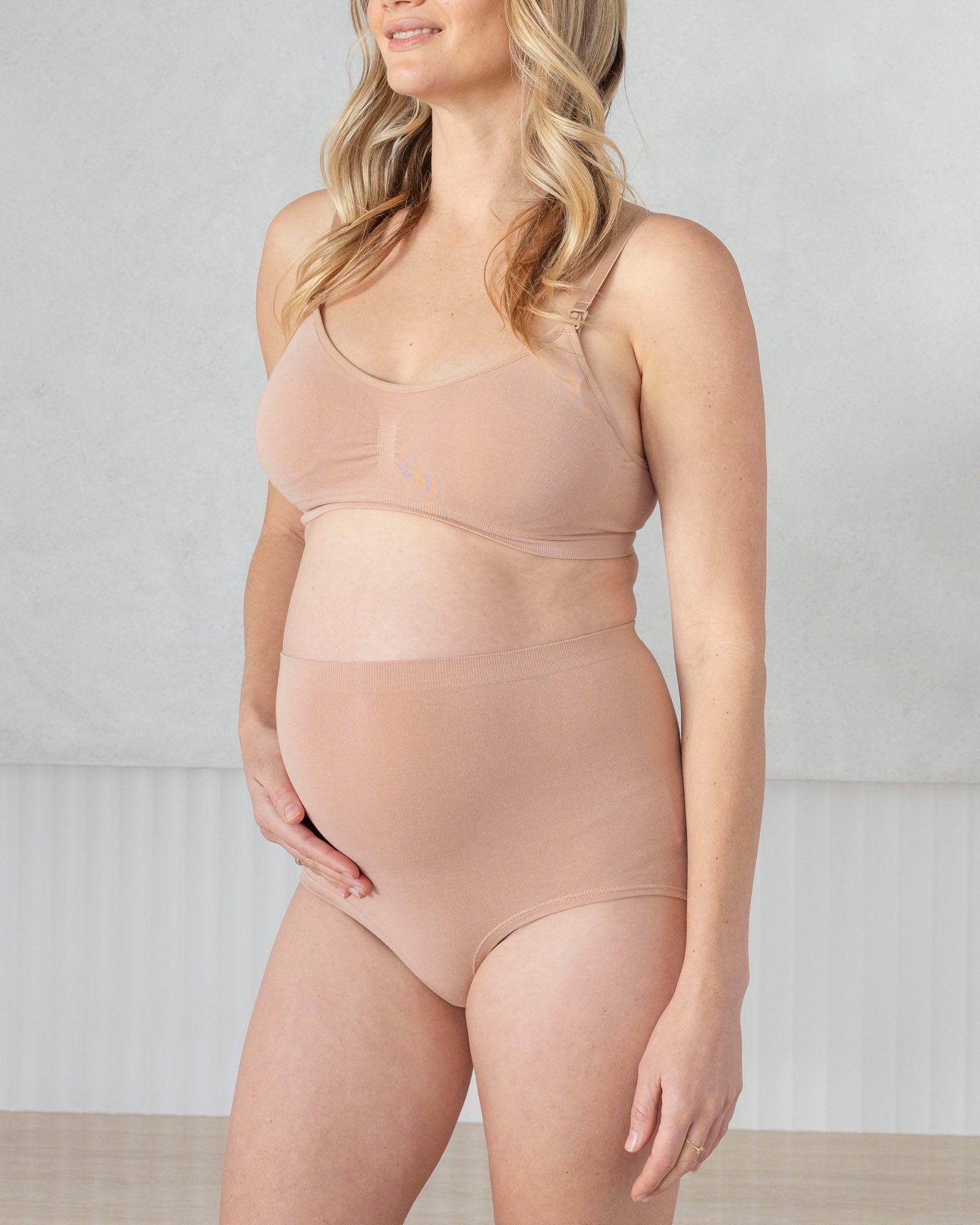
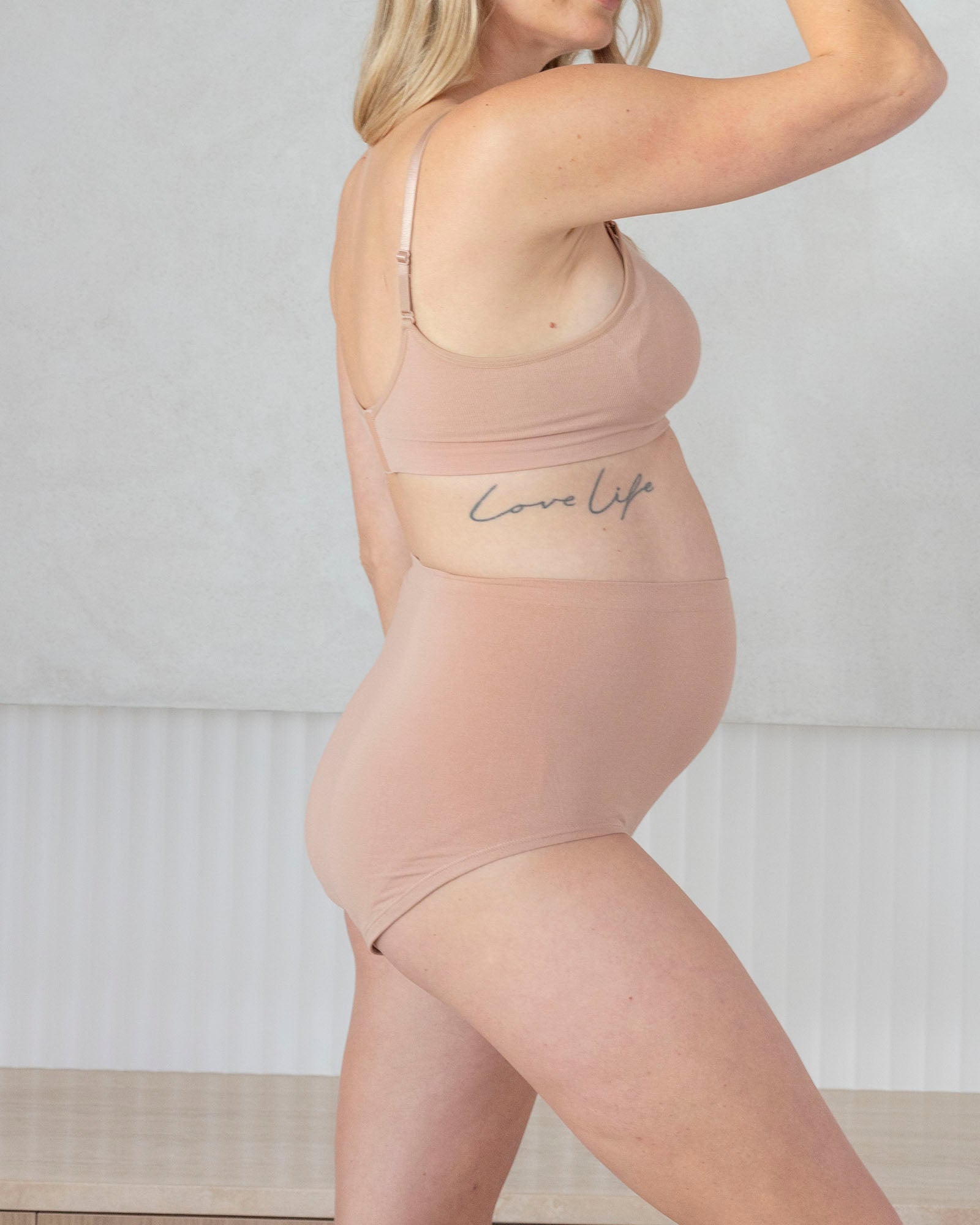
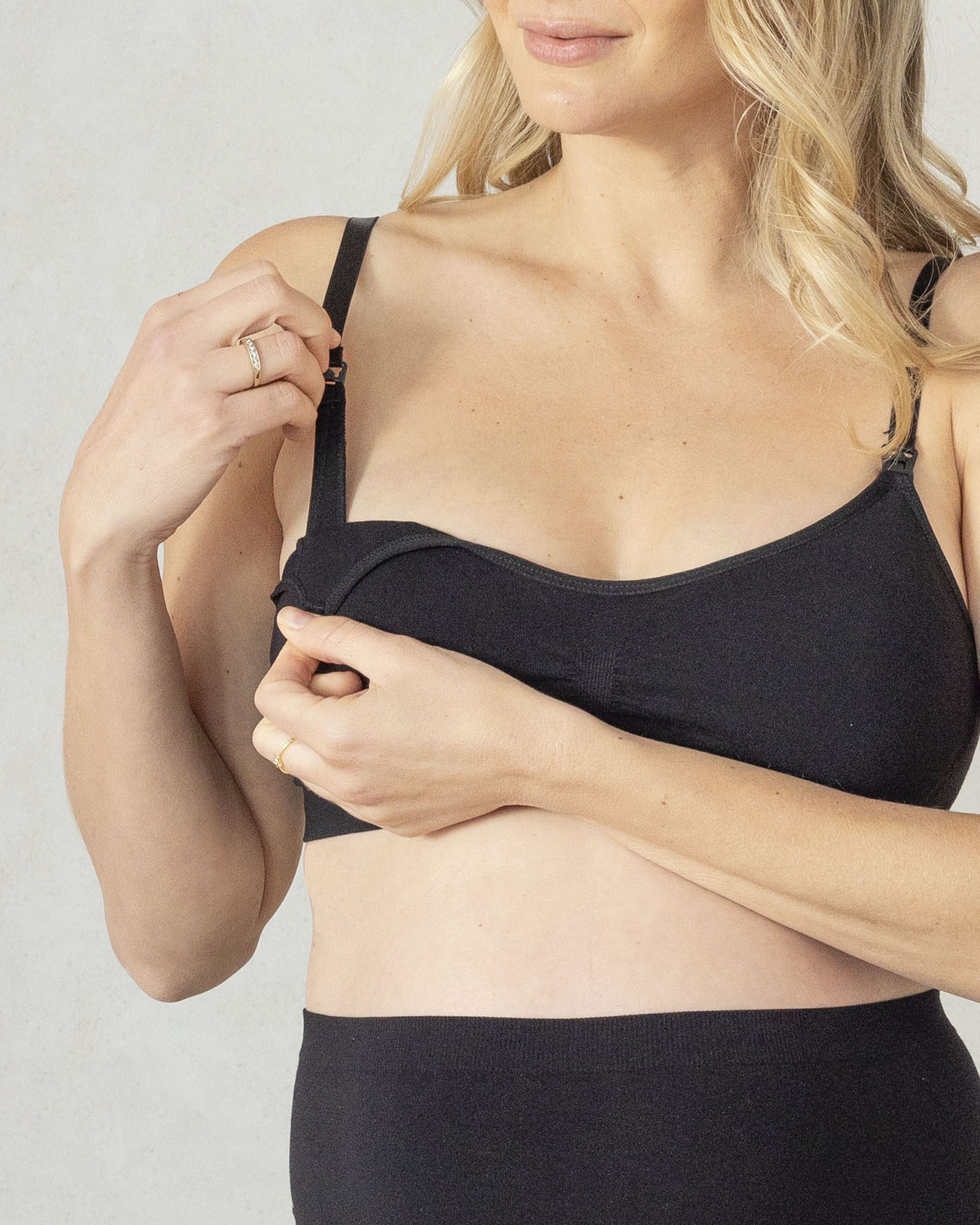
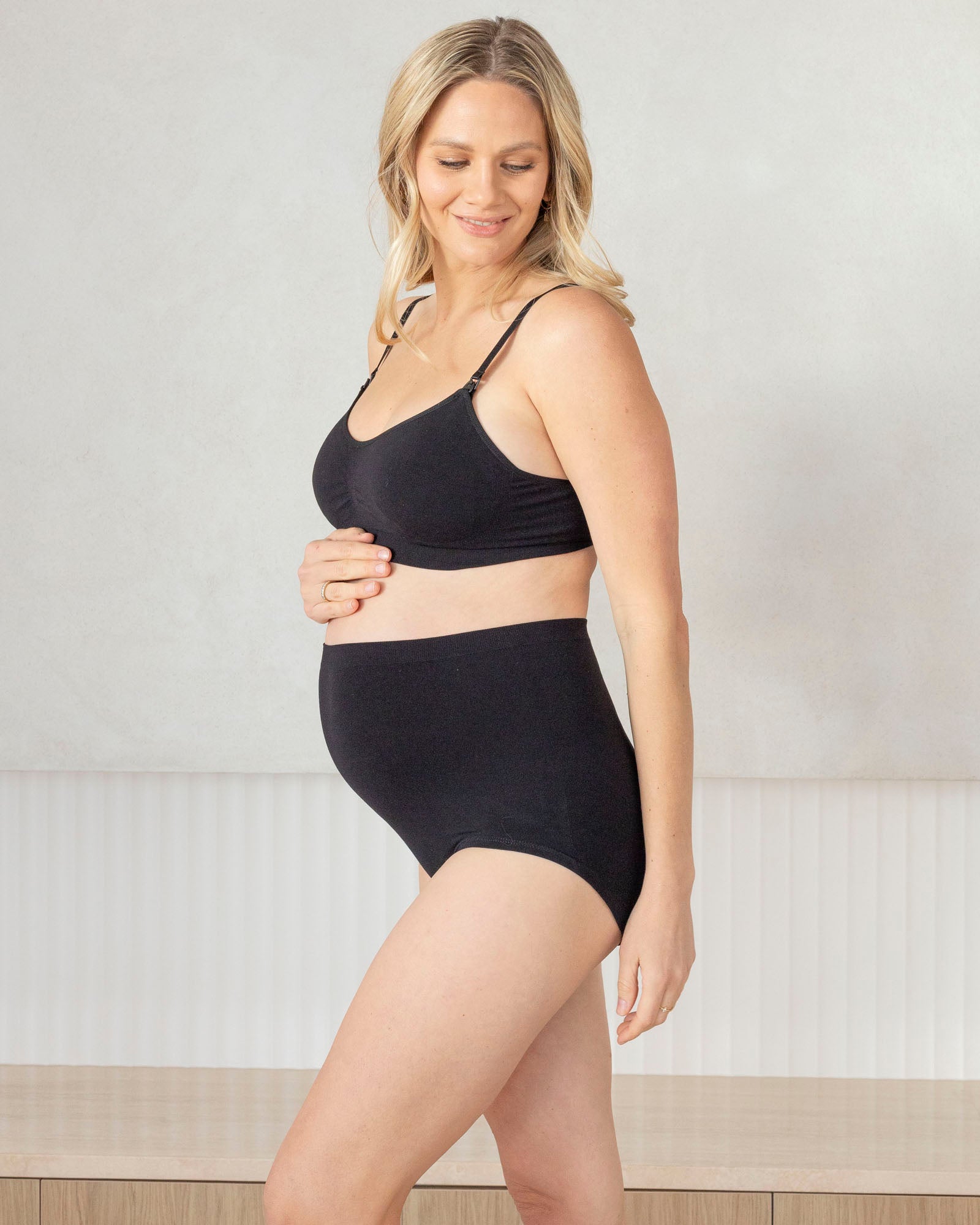
This is a small, deliberately chosen range rather than a wall of options. It spans everyday bamboo nursing bras, a lightweight sleeping bralette, lace styles, and flexi wire options from Cake Maternity, in black and beige. Every style is built for one-handed feeding access, because that is the version of the job that actually happens.
How Do You Choose the Right Nursing Bra?
Start with when you buy. Most of the change to your bust has happened by the third trimester, so buying then means the bra still fits once you are feeding. Buy on the loosest hook so you can tighten the band as your ribcage settles after birth.
Then think about structure. Wire-free and soft-cup styles are the usual choice for the early weeks, when fullness fluctuates most and anything rigid can dig in. Flexi wire, which bends rather than holds a fixed shape, suits mums who want more lift and shape without a stiff underwire. The Australian Breastfeeding Association is a good independent read if you want to think this through properly, and a professional fitting is always worth it if you are unsure.
Sizing That Accounts for Cup Size, Not Just Band
This is where most nursing bra ranges fall over. A size 14 with a B cup and a size 14 with an F cup are not the same shape, and a single size label pretends they are.
Several styles here are sized in Small, Medium, Large and X-Large but split into Petite for cups B to DD and Busty for cups E to FF, so you choose across two dimensions rather than one. Others are sized XS to 2XL, or in Australian dress sizes 10 to 20. Check the size chart on each product page, since the system differs by style, and use our size guide if you want to measure properly first.
Wearing It Through the Day and the Night
Most mums end up with more than one. An everyday bra in a soft breathable fabric for daytime, and something lighter for overnight; the sleeping bralette here is designed for exactly that, including holding nursing pads in place on the leakier nights.
Pair yours with the rest of the feeding wardrobe: our nursing tops and nursing dresses are cut to work over a nursing bra without fighting it, and nursing sleepwear covers the night feeds. For briefs and the rest of the intimates range, see maternity underwear. Australian orders over $150 ship free, with free returns over $150.
Nursing Bra FAQs
When should I buy my nursing bras?
Around the third trimester is the usual advice, once most of the change to your bust has already happened. Buy on the loosest hook setting so you have room to tighten the band later. Expect a temporary increase in cup size in the first few days after birth when your milk comes in; that settles, so do not size your whole collection around it.
How many nursing bras do I need?
Two to three is a practical starting point: one on, one in the wash, and ideally a softer one for overnight. Leaks and feeds mean you will be washing more often than you are used to.
Can I wear an underwire nursing bra?
Rigid underwire is generally not recommended while breastfeeding, because it can press on a full area of the breast. Flexi wire styles use a flexible wire designed to move with you, which is a middle ground if you want more shape. If you have had blocked ducts or mastitis, speak to your midwife, lactation consultant or a professional bra fitter before choosing.
What is the difference between Petite and Busty sizing?
It is a cup-volume split. Petite covers roughly cups B to DD and Busty covers roughly E to FF, within the same Small, Medium, Large or X-Large band. It means two women of the same dress size can each get a bra that actually fits, rather than one of them compromising.